


Views: 0 Author: Site Editor Publish Time: 2026-07-27 Origin: Site


The chemicals used in water treatment depend on the water source, treatment objective, process equipment, and compliance limit. Most facilities do not need more chemicals; they need a fit-for-purpose program that matches contaminants, flow changes, storage risk, and operator capability. Under-treatment can cause fouling, corrosion, microbial growth, off-spec water, failed audits, permit violations, and downtime. Over-treatment can increase chemical spend, sludge volume, membrane damage risk, disinfection byproduct risk, operator exposure, and disposal cost.
This guide explains how Water Treatment Chemicals are used in municipal, commercial, industrial, factory, and wastewater systems. It separates reagent chemistry from physical processes such as filtration, RO, NF, UF, UV, ion exchange, aeration, biological treatment, and activated carbon. Those treatment aids still affect dosing, pretreatment, regeneration, and waste handling, so they belong in the same selection review. Selection should follow contaminants, process goals, treatment-train fit, compatibility, dosing control, storage safety, and total cost of ownership.
Water treatment chemicals fall into a few core groups—coagulants/flocculants, disinfectants, pH adjusters, scale/corrosion inhibitors, oxidants/reductants, oxygen scavengers, and specialty chemicals—but the right choice depends on the water chemistry and treatment objective.
The same chemical category can perform very differently by application:
Municipal water treatment chemicals prioritize public health, source-water variability, distribution residuals, and lead/copper corrosion control.
Industrial water treatment chemicals prioritize asset protection, heat transfer, membrane uptime, boiler reliability, and process consistency.
Waste water treatment chemicals prioritize solids removal, COD/BOD reduction, phosphorus removal, metals precipitation, odor control, and discharge compliance.
Commercial water treatment chemicals often prioritize cooling tower control, building water safety, operator simplicity, and automated service support.
Chemical cost alone is a weak buying metric; decision-makers should compare dosing efficiency, sludge generation, storage/safety burden, active content, shelf life, equipment compatibility, monitoring requirements, and waste disposal impact.
The most reliable programs combine water treatment chemicals with testing, automation, and physical or advanced treatment steps such as GAC, membranes, filtration, UV, ozone, ion exchange, aeration, or biological treatment.
There is no universal chemical dose that works everywhere; dosing should be validated through water analysis, jar testing, pilot testing, online monitoring, and permit-specific performance data.
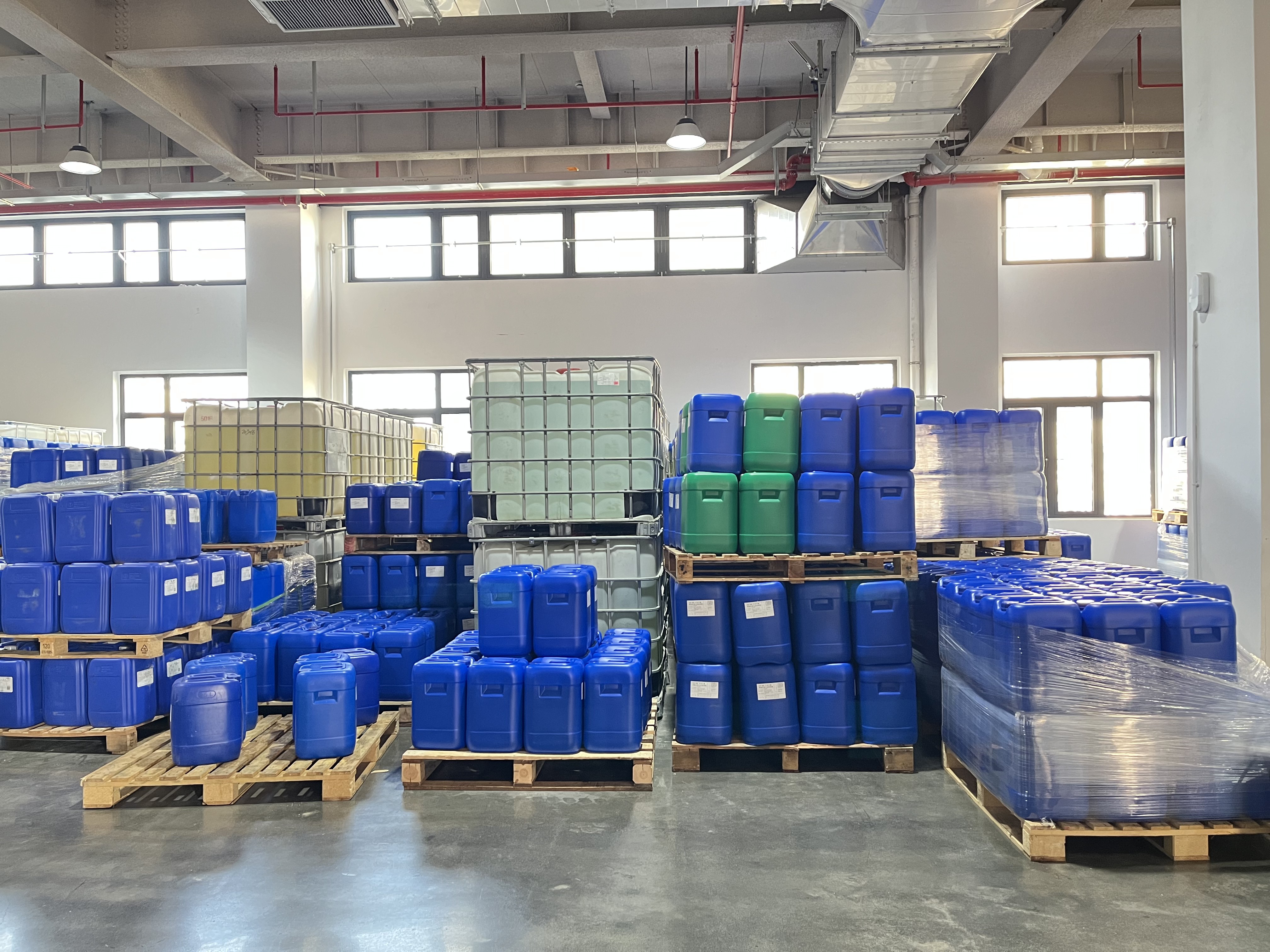
Water treatment chemicals are best defined by function. Product names change by supplier, but the treatment job remains consistent. A program may need to destabilize particles, build floc, disinfect, oxidize contaminants, adjust pH, prevent scale, control corrosion, remove dissolved oxygen, or neutralize residual oxidants.
They are added at specific points in the treatment train. Coagulants and flocculants usually feed before clarification, dissolved air flotation, sedimentation, or filtration. pH control may be needed before coagulation, softening, membrane treatment, ion exchange, or disinfection. Oxidants are often used before filtration for iron, manganese, sulfide, taste, and odor control. Dechlorination is used before RO membranes, biological treatment, aquaculture, or sensitive discharge points.
Potable systems use chemistry to control pathogens, turbidity, metals, and corrosivity.
Municipal programs must align with applicable requirements, including EPA Safe Drinking Water Act rules in the U.S. and relevant WHO drinking-water guidance where used as a benchmark.
Industrial and factory programs must also meet site EHS rules, worker-safety obligations, and discharge permits.
Commercial systems often need simple operation, safe storage, and reliable automated control.
Wastewater plants must balance chemistry with biological stability, sludge handling, and final effluent limits.
A successful program meets the target water quality while protecting assets. It also keeps sludge, brine, chemical handling, downtime, and audit risk under control.
Many municipal systems follow a familiar sequence: coagulation, flocculation, sedimentation, filtration, and disinfection. Coagulation uses aluminum or iron salts to neutralize suspended particle charges. Flocculation then uses gentle mixing, sometimes with polymers, to form larger solids. Clarification removes those solids before filtration. Disinfection reduces pathogen risk before storage or distribution.
Process stage | Common chemical or aid | Primary control point |
Coagulation | Alum, PAC, ferric chloride, ferric sulfate | pH, alkalinity, dose, rapid mixing |
Flocculation | Polyacrylamide polymers, activated silica | Mixing energy, contact time, floc strength |
Sedimentation or clarification | Coagulant residual, polymer aid | Settling rate, sludge volume, turbidity |
Filtration | Filter aid, activated carbon, membrane pretreatment | Turbidity, SDI, head loss, breakthrough |
Disinfection | Chlorine, chloramines, chlorine dioxide, ozone, UV | Residual, contact time, pH, byproducts |
Post-treatment | pH control, alkalinity, corrosion inhibitor | Stability, lead/copper control, residual protection |
UV and ozone can disinfect inside a plant, but they do not provide the same persistent distribution residual as chlorine or chloramines. That difference matters when finished water must travel through storage tanks and long pipe networks.
Source water changes the program. Surface water often contains more sediment, algae, organic matter, pathogens, and seasonal variability. Groundwater may need less particle removal, but it can contain hardness, iron, manganese, arsenic, nitrate, radionuclides, hydrogen sulfide, or dissolved gases. Recycled process water and factory wastewater can shift quickly with cleaning cycles, spills, production schedules, and raw material changes.
Special contaminants may require targeted treatment. Nitrate, PFAS, arsenic, cyanide, radionuclides, algal toxins, VOCs, 1,4-dioxane, NDMA, silica, and heavy metals rarely respond well to a generic chemical program.
Coagulants and flocculants are used for turbidity control, suspended solids removal, phosphorus reduction, metals removal, and pretreatment before membranes or filtration. Common coagulants include alum, polyaluminum chloride, ferric chloride, ferric sulfate, and lime in selected softening programs. Common flocculants include anionic, cationic, and nonionic polyacrylamides, activated silica, and high-molecular-weight polymer blends.
Alum has a long operating history and broad availability. PAC can work across a wider pH range and may reduce sludge in some systems. Ferric chloride often forms dense floc and performs well for phosphorus or heavy metals. It is also highly corrosive, so compatible tanks and secondary containment matter. Ferric sulfate fits some municipal and wastewater programs where iron chemistry matches pH, sludge, and permit needs.
The main trade-offs are turbidity reduction, sludge volume, pH depression, alkalinity demand, downstream filterability, and polymer carryover. Polymer overdosing can blind filters, harm dewatering, and create slippery spill hazards.
Disinfection chemistry includes chlorine gas, sodium hypochlorite, calcium hypochlorite, chloramines, chlorine dioxide, ozone, and hydrogen peroxide in advanced oxidation. UV is not a chemical reagent, but it is often evaluated beside disinfectants because it changes residual strategy and downstream control.
Chlorine is widely used because it is cost-effective and leaves a residual. It can also form regulated disinfection byproducts when organic load and operating conditions are unfavorable. Sodium hypochlorite is easier to handle than chlorine gas for many smaller facilities, but it degrades with age, heat, sunlight, and contamination. Calcium hypochlorite has higher available chlorine and often better shelf stability, yet it requires dry oxidizer storage. Chlorine dioxide can help with taste, odor, iron, manganese, sulfide, and higher organic load, but chlorite and chlorate control are required.
Industrial antimicrobial programs may use oxidizing and non-oxidizing biocides. Examples include bromine programs, glutaraldehyde, isothiazolinones, DBNPA, and quaternary ammonium compounds. Selection must reflect registration limits, discharge toxicity, materials compatibility, and biofilm control needs.
pH and alkalinity chemicals include sodium hydroxide, sulfuric acid, hydrochloric acid, lime, soda ash, sodium bicarbonate, and carbon dioxide. They improve coagulation, softening, disinfection, membrane feed conditions, corrosion control, and wastewater biological stability.
Sodium hydroxide raises pH quickly and fits automated dosing. It is highly caustic and needs compatible storage. Sulfuric acid is common for pH reduction, but it adds sulfate and creates heat during dilution. Hydrochloric acid lowers pH effectively, though chloride addition may harm some metals. Lime can raise pH and remove hardness, metals, and some silica, but it adds slurry handling and sludge. Soda ash raises pH and alkalinity. Carbon dioxide can reduce acid handling, but gas control must be reliable.
Scale-control chemistry includes phosphonates, organic phosphonates, phosphate esters, polyacrylates, dispersants, silica-control antiscalants, and sulfate-scale inhibitors. Corrosion-control chemistry includes orthophosphates, zinc orthophosphate where permitted, nitrite inhibitors for closed loops, molybdate, azoles, filming amines, and multifunctional blends.
Antiscalants must match the actual scale risk. Calcium carbonate, calcium sulfate, barium sulfate, strontium sulfate, silica, iron, and aluminum carryover behave differently. Corrosion inhibitors must match metallurgy, pH, alkalinity, chloride, sulfate, temperature, and whether the loop is open or closed. A program that performs well in a closed HVAC loop may not fit an open cooling tower with phosphorus discharge limits.
Boilers and closed loops often use oxygen scavengers to reduce pitting corrosion. Common options include sodium sulfite, sodium bisulfite, carbohydrazide, DEHA, and other approved scavengers. Hydrazine has historic industrial use, but it requires strict safety and regulatory caution and is unsuitable for many routine programs.
Oxidants and reducers include hydrogen peroxide, ozone, potassium permanganate, sodium metabisulfite, sodium bisulfite, ferrous products, and selected sulfide-based reducers. They can support dechlorination, odor control, COD reduction, cyanide destruction, chromium reduction, iron and manganese oxidation, or residual oxidant control. ORP, residual testing, and downstream compatibility are needed because redox chemistry can interfere with membranes, biological treatment, and permits.
Specialty programs may include antifoams, defoamers, powdered activated carbon, ion exchange regenerants, phosphorus removal aids, heavy metal precipitants, sulfide-control products, fluoride additives where used, nutrient balancing chemicals, and membrane clean-in-place products. CIP programs may include acid cleaners, alkaline cleaners, chelants, surfactants, and compatible sanitizers.
Specialized cleaning products, such as ECH-100 Macromolecular chelate strong vibration cleaning agent and ECH-200 High Performance Water Treatment Cleaning Chemical, should be reviewed against foulant type, metallurgy, membrane limits, cleaning procedure, rinse requirements, and waste profile. Specialty chemistry should be justified by data, not product claims alone.
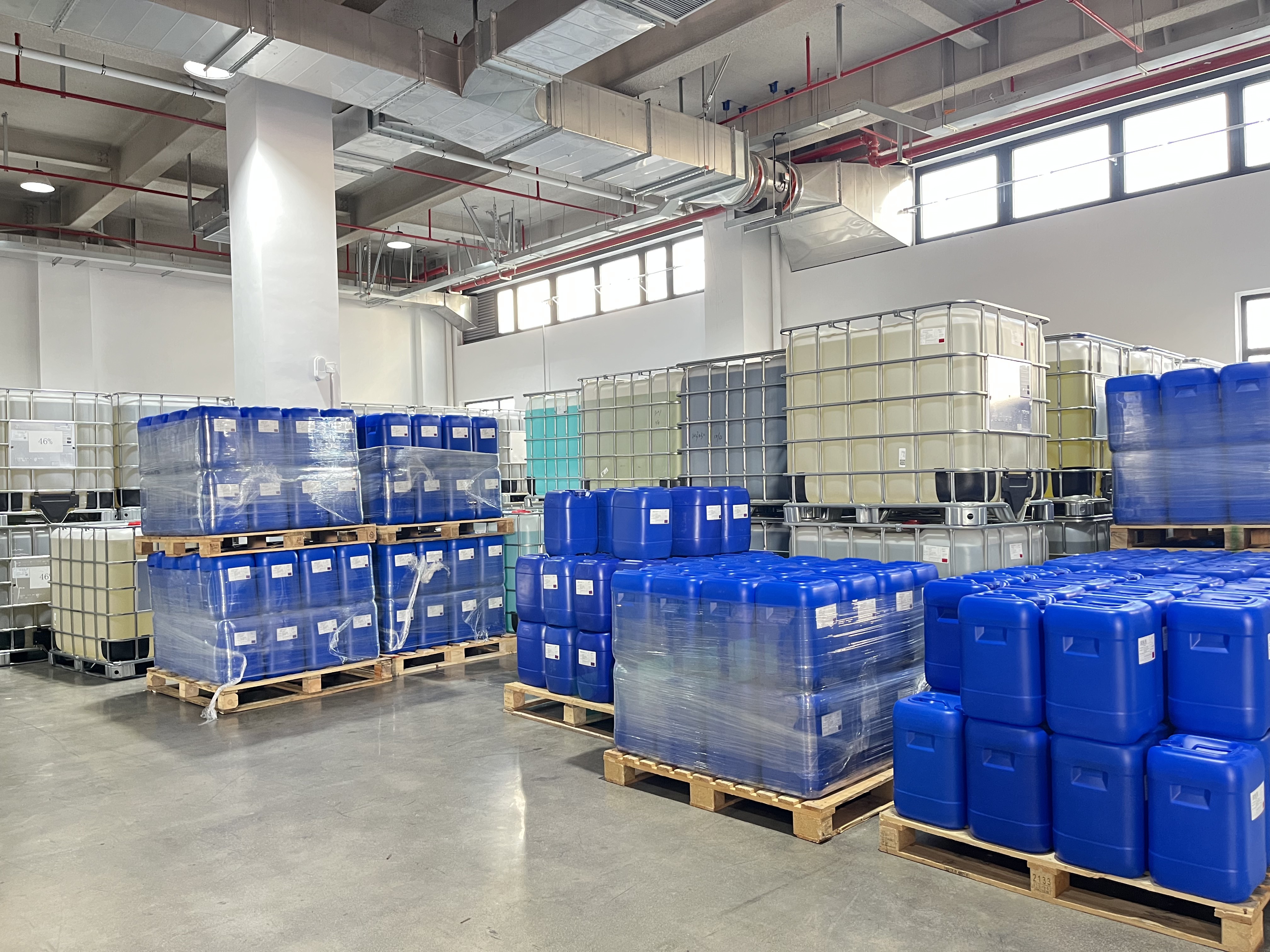
Coagulants neutralize the negative charge on many suspended particles. Once charge repulsion is reduced, particles can collide and form larger solids. Flocculants bridge small particles into flocs that settle, float, or filter more easily. pH, alkalinity, temperature, mixing energy, and contact time strongly affect the result.
Chlorine disinfection depends partly on pH. Lower pH generally increases the fraction of hypochlorous acid, which is the stronger disinfecting form. Higher pH shifts more chlorine toward hypochlorite ion. A reliable disinfection program monitors pH and residual together.
Antiscalants work through threshold inhibition, crystal distortion, dispersion, or sequestration. Overdosing does not guarantee better protection. It may increase fouling, nutrient load, or discharge burden. Corrosion inhibitors may form protective films, adjust water stability, reduce oxygen-driven corrosion, or protect specific metals.
Closed loops need oxygen control, corrosion protection, and low solids loading.
Cooling towers need scale, corrosion, biofilm, and blowdown control.
Boilers need oxygen removal, alkalinity control, deposit control, and steam-quality protection.
Municipal distribution systems need stable pH, residual disinfectant, and corrosion control.
Treatment goal | Common chemical options | Best validation method |
Suspended solids and turbidity | Alum, PAC, ferric salts, polymers, activated silica | Jar testing, settling tests, turbidity, filterability, sludge volume |
Disinfection and microbial control | Chlorine, hypochlorites, chloramines, chlorine dioxide, ozone, biocides | Residual testing, ORP, microbiology, biofilm monitoring |
Hardness and scaling | Lime, soda ash, phosphonates, polyacrylates, RO antiscalants | Hardness, scaling indices, projection software, deposit analysis |
Corrosion control | pH adjusters, orthophosphate, nitrite, molybdate, azoles, scavengers | Coupons, probes, iron and copper levels, metallurgy review |
Wastewater compliance | Coagulants, polymers, pH control, oxidants, reducers, precipitants | TSS, COD, BOD, phosphorus, metals, pH, ORP, toxicity |
RO, NF, UF, and desalination | Antiscalants, dechlorination chemicals, pH control, CIP cleaners | SDI, turbidity, normalized flow, pressure drop, rejection |
A utility reviewing Municipal Water Treatment Chemicals usually prioritizes public health, source-water variability, distribution residuals, lead and copper corrosion control, taste, odor, and public confidence. The usual stack includes a coagulant, flocculant, pH or alkalinity adjustment, disinfectant, corrosion inhibitor, and sometimes activated carbon, oxidation, or fluoride where policy allows.
A building owner reviewing Commercial Water Treatment Chemicals usually focuses on cooling tower control, Legionella risk reduction, HVAC loop protection and safe operation in occupied buildings. Limited staffing makes automated feed, clear alarms, simple storage, and service support important.
A site selecting Industrial Water Treatment Chemicals must account for boilers, cooling systems, membranes, process water, product quality, and discharge impact. The chemical stack may include oxygen scavengers, antiscalants, corrosion inhibitors, biocides, pH control, dechlorination, pretreatment coagulants, and membrane cleaners.
For production lines, Factory Water Treatment Chemicals must also reflect raw materials, batching, cleaning cycles, heat exchangers, chillers, closed loops, and wastewater variability. A product change can alter COD, metals, oils, surfactants, or salts within one shift.
A plant comparing Waste Water Treatment Chemicals usually targets TSS, COD, BOD, nutrients, phosphorus, heavy metals, foam, odor, sludge conditioning, disinfection, and permit compliance. The program must not damage biological treatment or create toxicity in the final effluent.
| Application | Typical chemical stack | Main constraint |
Municipal water | Coagulant, flocculant, pH adjustment, disinfectant, corrosion inhibitor | Regulatory compliance and distribution residual stability |
Commercial buildings | Biocides, scale inhibitors, corrosion inhibitors, pH control, dispersants | Safety, automation, limited staffing, local health codes |
Industrial and factory systems | Antiscalants, scavengers, inhibitors, biocides, cleaners, pH control | Downtime cost, metallurgy, process purity, discharge limits |
Boilers | Oxygen scavengers, alkalinity builders, phosphate or polymer treatment, amines | Pressure class, feedwater quality, carryover risk |
Cooling towers | Scale inhibitors, corrosion inhibitors, oxidizing and non-oxidizing biocides | Cycles of concentration, biofilm, drift, blowdown limits |
Wastewater | Coagulants, polymers, pH control, reducers, oxidants, defoamers, precipitants | Variable influent, sludge cost, biological sensitivity |
Selection should start with water analysis, not product catalogs. A useful test panel commonly includes pH, alkalinity, hardness, calcium, magnesium, TDS, conductivity, turbidity, TSS, TOC, COD, BOD, chloride, sulfate, silica, iron, manganese, heavy metals, nutrients, dissolved oxygen, microbiology, oil and grease, temperature, and seasonal trends.
Define the source water, process goal, treated-water standard, and discharge limit.
Identify the target contaminants and their likely variability.
Match each contaminant to the treatment step that actually removes it.
Compare chemicals within the relevant category, not across unrelated categories.
Check compatibility with membranes, metallurgy, biological treatment, sludge handling, and permits.
Validate the dose by bench testing, pilot testing, online monitoring, or field data.
Examples show why this matters. VOCs such as TCE and PCE may require GAC, air stripping, aeration, or advanced oxidation, with chemical support for pH and residual control. Nitrate, perchlorate, arsenic, chromium, uranium, and PFAS may require ion exchange, RO, NF, adsorption, or biological treatment. Hydrogen sulfide can be treated by aeration, oxidation, or pH adjustment, depending on odor, corrosion, and emissions constraints.
Compliance and EHS screening should happen before a purchase order. Facilities should review SDS, TDS, COA, storage instructions, shelf life, batch traceability, biocide labels where applicable, potable-water approvals where relevant, and waste disposal guidance. Acids, caustics, oxidizers, reducers, dry chlorines, hypochlorite, and reactive specialty products need segregation, ventilation, secondary containment, PPE, signage, spill kits, and trained operators.
Chemical treatment works best inside a designed treatment train. Filtration, RO, NF, UF, UV, ion exchange, aeration, activated carbon, and biological treatment are not replacements for chemistry in every case. They often reduce one risk while increasing the need for pretreatment, residual control, cleaning, regeneration, or waste planning.
Membrane systems need stable pretreatment. RO and NF membranes are sensitive to oxidants, scale, particulate fouling, biofouling, and incompatible cleaners. Chemicals may include antiscalants, sodium bisulfite or metabisulfite for dechlorination, pH adjusters, validated coagulants in pretreatment, compatible biocides, and CIP cleaners. Concentrate disposal can become a major operating issue.
UV, ozone, and advanced oxidation can support microbial control, taste and odor treatment, algal toxin control, and destruction of selected organics. UV plus hydrogen peroxide or UV plus chlorine may be considered for difficult compounds such as 1,4-dioxane or NDMA. These processes still require oxidant dose control, quenching where needed, pH adjustment, byproduct monitoring, and corrosion control after treatment.
GAC, powdered activated carbon, aeration, and ion exchange are often evaluated beside chemical programs. Activated carbon can reduce VOCs, taste, odor, pesticides, organic precursors, and selected PFAS. Ion exchange can address hardness, nitrate, perchlorate, arsenic, chromium, cyanideide, uranium, barium, radium, strontium, and selected PFAS, depending on resin type. Aeration can remove hydrogen sulfide, carbon dioxide, vinyl chloride, and other volatile compounds, but it may need off-gas treatment.
Biological treatment can reduce BOD, COD, ammonia, nitrate, and some industrial contaminants. It needs stable pH, alkalinity, nutrients, temperature, and salinity. Residual disinfectants, toxic metals, severe pH swings, and strong oxidants can damage biomass quickly.
There is no universal dosage chart. Dose depends on chemistry, flow, temperature, contact time, target residual, contaminant variability, and process configuration. Published ppm ranges can support early screening, but they should not become final design values without validation.
A starting feed rate is estimated from the target dose, water flow, active content, product concentration, density, and purity. For liquids, the calculation should include active strength, degradation, solution density, and pump turndown. For dry products, it should include purity, make-down strength, dissolution time, dust control, and insolubles. For gas or on-site generation, it should include generation rate, transfer efficiency, residual target, and safety-system capacity.
Final dosing should be confirmed through performance testing. Common methods include jar testing, settling tests, filterability checks, ORP monitoring, disinfectant residual checks, microbiological testing, scaling indices, membrane projection tools, SDI, turbidity, corrosion coupons, probes, deposit analysis, membrane autopsy, sludge dewatering trials, and breakthrough testing for carbon or resin systems.
Flow-paced control adjusts chemical feed as water flow changes.
Residual-paced control responds to measured disinfectant, pH, ORP, or conductivity.
Conductivity-based blowdown helps stabilize cooling tower concentration cycles.
Remote monitoring can support multi-site commercial and industrial programs.
Sensor drift, fouled probes, poor calibration, and weak alarm limits can create false confidence.
The lowest drum price is rarely the lowest program cost. Direct costs include price per unit, active ingredient concentration, required dose, freight, packaging, tanks, feed pumps, maintenance, lab testing, online instruments, and service support. Hidden costs include sludge disposal, brine or concentrate handling, spent media, membrane cleaning, downtime, corrosion damage, heat-transfer loss, product degradation, PPE, ventilation, and permit exceedance risk.
Procurement should compare cost per treated volume and cost per avoided failure. The review should include COA, SDS, TDS, regulatory approvals where relevant, shelf-life instructions, storage limits, batch traceability, tank compatibility, pump and seal compatibility, injection-quill guidance, target control ranges, and disposal guidance. Integrated chemical, equipment, and service programs may fit multi-site operations or high-downtime facilities. Standalone chemical purchase may fit stable water with capable internal staff.
Product-specific checks reduce surprises. PAC should be reviewed for active aluminum, basicity, density, insolubles, and working pH range. Ferric chloride should be checked for iron concentration, free acid, corrosivity, and tank materials. Sodium hypochlorite should be reviewed for available chlorine, manufacturing date, degradation rate, venting, storage temperature, and compatible tank materials. Polymers need charge type, molecular weight, make-down concentration, aging time, and spill response planning.
Common implementation errors include choosing by price only, skipping jar testing, ignoring downstream wastewater impact, using incompatible storage materials, placing injection points poorly, overdosing polymers, allowing sensors to drift, and failing to adjust feed rates during seasonal changes. Risk reduction depends on baseline testing, written SOPs, preventive maintenance, calibration schedules, operator training, contingency inventory, approved alternate suppliers, and formal management of change.
Emerging trends include lower-phosphorus programs, biodegradable scale inhibitors, selected natural coagulants, lower-hazard biocides, sensor-driven dosing, remote monitoring, predictive maintenance, and hybrid systems that combine chemistry with membranes, UV, ozone, GAC, ion exchange, aeration, or biological treatment. Each option still needs proof of performance, regulatory acceptance, lifecycle costing, residual review, and operator-safety assessment.
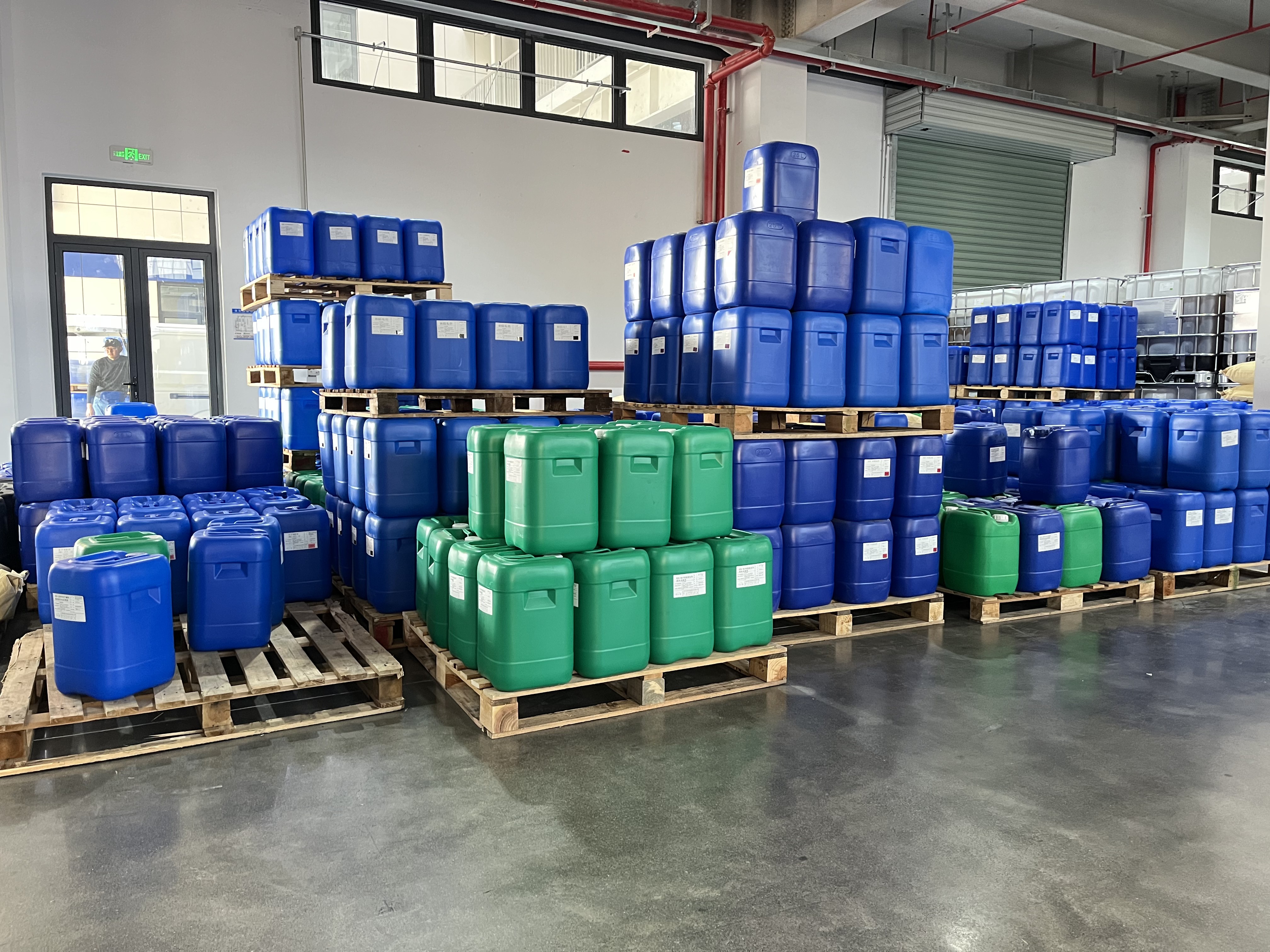
The right chemical program is determined by water quality, treatment goals, equipment sensitivity, treatment-train design, waste handling, and compliance duties. Selection should move from evidence to testing, then to controlled implementation.
Gather recent water-quality data, flow data, and process-performance records.
Define target outcomes, permit limits, equipment constraints, and operator requirements.
Request side-by-side recommendations with dose assumptions, COA, SDS, TDS, storage needs, and TCO impact.
Validate shortlisted chemicals through jar testing, pilot work, or controlled field trials.
Set monitoring, calibration, training, supplier reviews, and change-control rules before full rollout.
A: Common groups include coagulants, flocculants, disinfectants, pH adjusters, antiscalants, corrosion inhibitors, oxygen scavengers, oxidants, reducers, biocides, dechlorination chemicals, defoamers, metal precipitants, odor-control products, and membrane cleaning chemicals.
A: Municipal systems commonly use coagulants, flocculants, disinfectants, pH or alkalinity adjusters, and corrosion-control chemicals. Some also use activated carbon, oxidants, fluoride additives where applicable, or specialty treatment for nitrate, arsenic, PFAS, radionuclides, taste, odor, or algal toxins.
A: Industrial programs often use antiscalants, corrosion inhibitors, biocides, oxygen scavengers, pH adjusters, dechlorination chemicals, membrane cleaners, and pretreatment coagulants or flocculants. The exact mix depends on boilers, cooling towers, RO systems, process water, and wastewater duties.
A: Wastewater programs commonly use alum, ferric salts, PAC, polymers, acids, caustics, oxidants, reducers, defoamers, odor-control chemicals, phosphorus removal chemicals, disinfectants, and metal precipitants. The correct choice depends on influent variability, biological sensitivity, sludge handling, and permit limits.
A: They should be compared by jar-test results, pH range, alkalinity consumption, sludge production, phosphorus or metals removal, storage compatibility, corrosion risk, delivered active content, and final treated-water cost. Purchase price alone is not enough.
A: RO systems commonly use antiscalants, dechlorination chemicals such as sodium bisulfite or metabisulfite, pH adjusters, compatible biocides where approved, and CIP cleaners. Upstream coagulants may be used only when carryover control and membrane compatibility are verified.
A: A starting dose is estimated from target mg/L or ppm, water flow, product concentration, density, active fraction, or purity. It must then be validated through jar testing, pilot testing, residual monitoring, equipment response, sludge behavior, and permit-specific performance data.


