


Views: 0 Author: Site Editor Publish Time: 2026-10-03 Origin: Site


Biological contamination in water supplies poses severe health and compliance risks across multiple sectors. Well water, aging municipal grids, and industrial intake systems frequently harbor dangerous pathogens that threaten human health and operational integrity. Traditional chemical treatments, such as chlorine, create harmful disinfection byproducts and alter water taste and odor. Chemical methods also frequently fail to neutralize highly resistant cysts, including Cryptosporidium and Giardia.
While an in-line UV sterilizer offers a chemical-free, highly effective physical disinfection method, it is not a standalone solution. Its efficacy depends entirely on strict pre-treatment water clarity, precise flow-rate sizing, and rigid maintenance schedules. A poorly maintained system provides a false sense of security.
This guide breaks down the mechanics of UV-C disinfection. It outlines the hard prerequisites for installation, aligning with EPA and Health Canada guidelines. It also provides a comprehensive framework for evaluating, sizing, and troubleshooting a system for residential, commercial, or industrial applications.
Dose Dictates Efficacy: UV disinfection relies on the formula Dose = Intensity × Time. Peak flow rates must never exceed the system's rated capacity, or pathogens will survive.
Pre-Treatment is Mandatory: Hardness above 7 gpg or iron above 0.3 ppm creates a "shadowing effect" and fouls the quartz sleeve, rendering the UV light useless.
Visual Deception: A glowing blue indicator light does not mean the system is actively sterilizing. UV-C output degrades invisibly; lamps require strict 9-to-12-month replacement cycles.
Piping Vulnerabilities: UV light degrades PEX and PVC pipes. Installations require a minimum 12-inch metal transition (copper or stainless steel) to prevent catastrophic leaks.
Consumers and facility operators often confuse water filtration with water disinfection. Filtration involves water passing through a physical barrier to trap particles, sediment, and heavy metals. UV sterilization involves light passing through water. It is a purely physical process that adds nothing to the water and removes no physical mass from it. The system emits 254nm wavelength UV-C light. This specific wavelength penetrates microbial cell walls. It scrambles their DNA and RNA, completely preventing cellular reproduction.
This mechanism targets dangerous biological contaminants. It is highly effective against E. coli, Legionella, Norovirus, and Hepatitis A. It easily neutralizes chlorine-resistant cysts like Cryptosporidium and Giardia, which often survive standard municipal chemical treatments. However, UV light is entirely ineffective against non-living contaminants. It cannot remove heavy metals, hardness minerals, volatile organic compounds (VOCs), or physical particulates.
Treatment Method | Mechanism of Action | Effective Against | Ineffective Against | Byproducts Created |
UV Sterilization | DNA/RNA disruption via 254nm light | Bacteria, viruses, cysts | Heavy metals, chemicals, sediment | None |
Chlorination | Chemical oxidation of cell walls | Most bacteria and viruses | Cryptosporidium, Giardia, sediment | Trihalomethanes (THMs) |
Reverse Osmosis | Physical semi-permeable membrane | Heavy metals, chemicals, minerals | High biological loads (fouls membrane) | Wastewater (brine) |
The success of ultraviolet disinfection relies on a strict mathematical equation. The core formula is: UV Dose (mJ/cm²) = UV Intensity × Exposure Time. If the final dose drops below the required threshold, pathogens survive the exposure and enter the distribution system.
UV intensity depends on two factors. First, the raw output of the lamp itself, which degrades over time. Second, the clarity of the water, known as UV Transmittance (UVT). Water with low UVT absorbs the light before it reaches the pathogens. Exposure time depends on the physical dimensions of the reaction chamber and the water flow rate, measured in Gallons Per Minute (GPM). Faster moving water receives less exposure time. This directly lowers the delivered germicidal dose. A system rated for 10 GPM at 40 mJ/cm² will deliver less than 20 mJ/cm² if forced to process 20 GPM.
Ultraviolet treatment is a Point-of-Entry (POE) or Point-of-Use (POU) physical process. It treats water only at the exact moment it passes the lamp. It leaves no residual disinfectant in the water supply. This differs drastically from chemical chlorination, which travels with the water to continuously kill bacteria downstream. If downstream pipes, holding tanks, or plumbing fixtures already contain bacteria, UV cannot prevent re-contamination. The water is only safe as it exits the stainless steel chamber. Facilities must chemically shock their entire plumbing infrastructure prior to commissioning a new UV system.
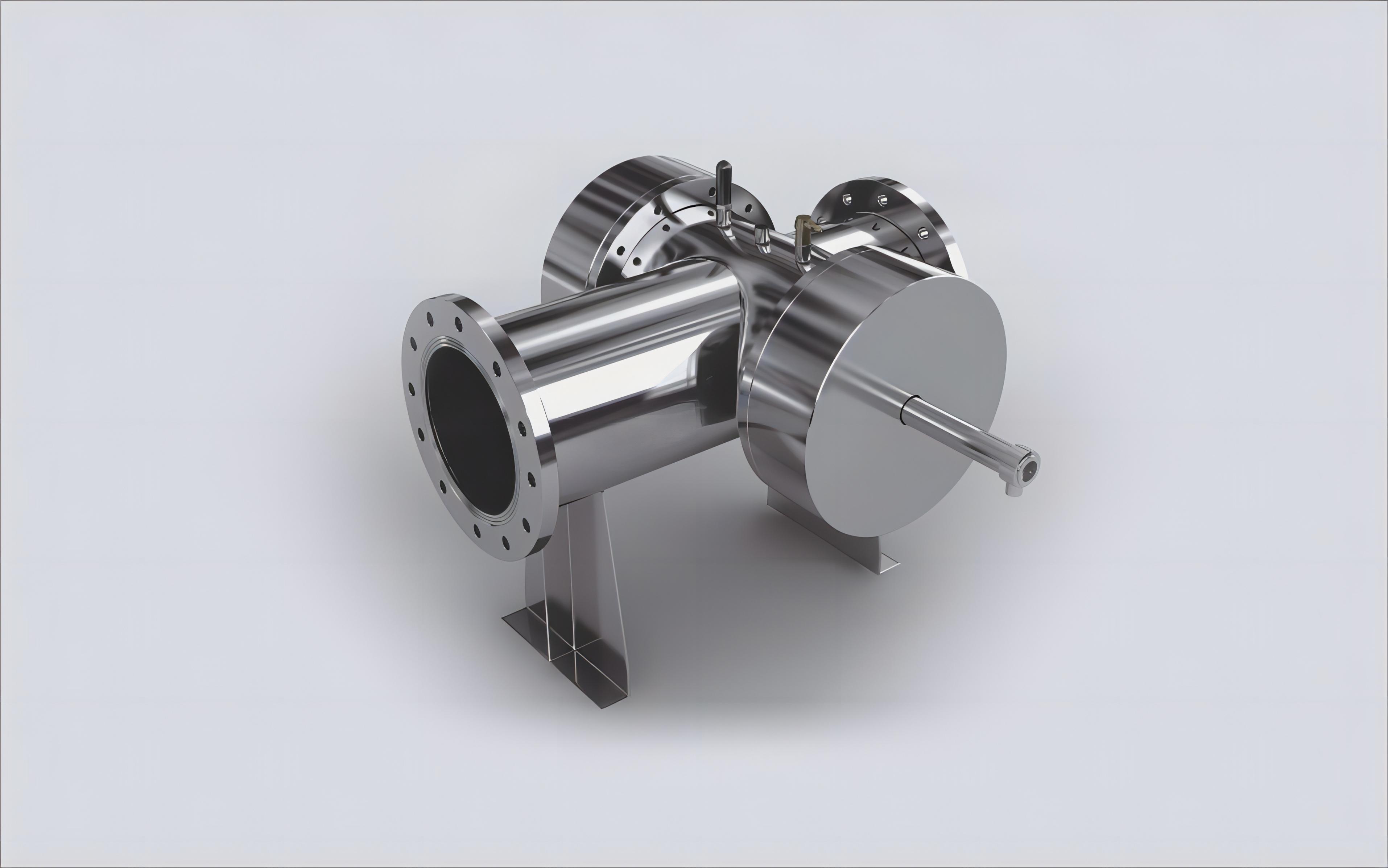
The reaction chamber houses the entire disinfection process. Manufacturers typically build these from 304 or 316L stainless steel, depending on the corrosiveness of the water and the specific industrial application. Engineers design the internal geometry to control the fluid dynamics. The goal is to create a specific flow path that ensures uniform UV exposure across the entire water column. A well-designed chamber utilizes baffles or specific inlet angles to induce turbulence, preventing hydraulic "dead zones" where pathogens might slip through untreated along the chamber walls.
The quartz sleeve is a highly transparent, physical barrier. It isolates the electrical lamp from the flowing water. Standard glass blocks UV-C light, so manufacturers use high-purity fused quartz, which allows over 95% of the 254nm wavelength to pass through. The sleeve also serves a thermal function. It maintains the optimal operating temperature for the lamp inside, protecting it from the cooling effect of the flowing water. The sleeve requires regular descaling. Scale buildup from hard water blocks UV transmission, rendering the system blind and ineffective.
Traditional Low-Pressure Mercury: This remains the standard for most residential and commercial systems. These lamps contain 5 to 200mg of mercury vapor. They require a 10 to 15-minute warm-up period to reach optimal germicidal output. They run hot, with surface temperatures reaching 100 to 600°C depending on the specific lamp type (standard vs. amalgam). This heat can warm stagnant water in the pipes during periods of zero flow. Mercury lamps must remain on 24/7. They tolerate a maximum of four on/off cycles per day before the internal ballast and filaments degrade prematurely.
Emerging UV-LED Technology: This newer technology is completely mercury-free, utilizing semiconductor diodes to generate UV-C light. It features instant on/off capabilities, allowing for unlimited power cycles tied directly to water flow sensors. UV-LEDs run cool, typically around 30°C, meaning they do not heat stagnant water. However, current LED technology remains limited in high-flow commercial applications due to lower overall power output compared to high-output amalgam mercury lamps.
Advanced systems feature integrated UV sensors. These sensors monitor real-time UV intensity inside the chamber. They are necessary for detecting invisible lamp degradation and detecting sleeve fouling before biological breakthrough occurs. The control panel processes this data and triggers audible alarms or dry contacts if the dose drops below safe levels. Industrial control panels often feature 4-20mA outputs, allowing seamless integration with Building Management Systems (BMS) or SCADA networks for remote monitoring.
Ultraviolet light travels in straight lines. Suspended solids, high turbidity, and organic tannins absorb or scatter this light. Microscopic particles act as physical shields in the water column. Pathogens literally hide in the shadows of these particles, passing through the reaction chamber untouched by the germicidal light. This phenomenon is known as the shadowing effect. It makes pre-filtration an absolute necessity for any UV installation. Without physical filtration, the UV system operates at a fraction of its rated capacity.
Water must meet strict baseline metrics before entering the disinfection chamber. Failing to meet these parameters guarantees system failure, regardless of the lamp's power.
Hardness: Must be less than 7 gpg (120 mg/L). In extreme hard water areas, calcium and magnesium precipitate out of the water and bake onto the hot quartz sleeve instantly. This creates a solid, opaque shield that blocks UV light.
Iron: Must be less than 0.3 ppm. Oxidized iron quickly coats the sleeve in a brown film, severely reducing UV transmittance.
Manganese: Must be less than 0.05 ppm. Similar to iron, manganese creates a black, light-blocking residue.
Turbidity: Must be less than 1 NTU. High turbidity indicates excessive suspended solids, leading to the shadowing effect.
Tannins: Must be less than 0.1 ppm. Tannins organically color the water yellow or brown, absorbing UV light before it reaches pathogens.
UV Transmittance (UVT): Must remain above 75%. UVT measures the percentage of UV light that can pass through a 1cm column of the water.
Proper sequencing prevents equipment damage and ensures maximum disinfection. Installing components out of order leads to fouled membranes, damaged resins, and ineffective sterilization. The correct flow path for a comprehensive system is as follows:
Well Pump or Municipal Intake
Pressure Tank (Stabilizes flow rates)
5-Micron Sediment Filter (Removes physical particles and prevents shadowing)
Iron Removal System (Required if iron exceeds 0.3 ppm)
Water Softener (Required if hardness exceeds 7 gpg to protect the quartz sleeve)
UV Sterilizer (The final physical barrier)
Final Distribution to Household or Facility
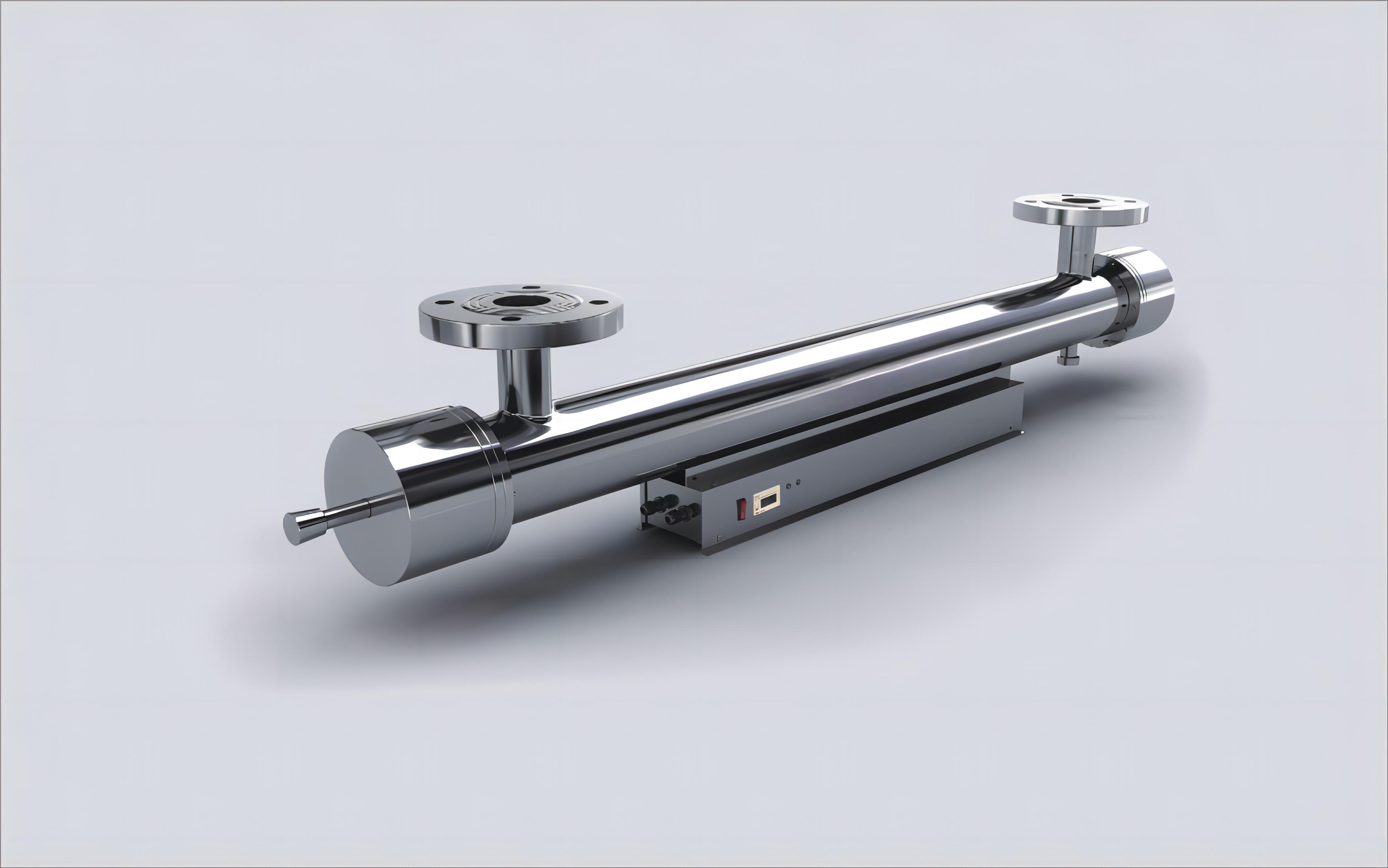
Operators must never size a system based on average daily water consumption. Sizing must account for the absolute peak flow rate. If multiple fixtures open simultaneously, the flow rate spikes. Water moves too fast through the chamber, reducing exposure time and dropping the UV dose below safe germicidal levels. A standard calculation rule of thumb for residential applications is 2.5 to 3 GPM per active fixture or bathroom. A home with three bathrooms running simultaneously requires a system rated for at least 9 to 10 GPM at the desired mJ/cm² dose.
Independent certifications guarantee the system delivers the promised dose under specific, rigorous testing conditions. Uncertified systems often inflate their GPM ratings by testing with perfectly clear water and brand-new lamps.
NSF/ANSI 55 Class A: Requires a minimum dose of 40 mJ/cm² at the end of the lamp's lifespan. This is mandatory for visually clear but biologically unsafe or unregulated water, such as private wells or rainwater catchment systems.
NSF/ANSI 55 Class B: Requires a minimum dose of 16 mJ/cm². This is used only for supplemental treatment on already-treated, safe municipal water. It protects against aging infrastructure, temporary pipe breaks, or boil-water advisories.
International Standards: Industrial contexts often require European equivalents. These include ÖNORM M 5873 in Austria and DVGW Standard W294 in Germany, which mandate strict sensor integration and specific biodosimetric testing protocols.
Different industries face unique biological challenges that dictate specific system designs and flow requirements.
Food & Beverage: Breweries require precise biological control to maintain product consistency. A uv sterilizer for brewery water treatment protects sensitive yeast strains from wild bacteria and spoilage organisms. It achieves this without altering the water's mineral profile or introducing chemical tastes that would ruin the final beverage.
Agriculture & Aquaculture: Fish farming involves massive flow rates and severe turbidity challenges due to organic waste. Sizing a uv sterilizer for aquaculture farm operations requires accounting for low UVT water. These systems prevent devastating fish pathogen outbreaks while maintaining high dissolved oxygen levels, which chemical treatments often deplete.
Heavy Industry: Manufacturing facilities require extreme durability and automation. An industrial pipeline uv sterilizer manages massive flow rates exceeding hundreds of gallons per minute. Alternatively, a uv sterilizer for manufacturing plant must integrate seamlessly with PLC/SCADA systems for automated reporting. These units utilize 316L stainless steel and high-temperature seals to handle hot Clean-In-Place (CIP) processes without failing.
Point-of-Entry (POE) systems treat the whole house or facility. Installers place them at the main water line, immediately post-filtration, ensuring all water entering the building is sterilized. Point-of-Use (POU) systems are smaller terminal units. Installers place them directly at the tap, usually under a kitchen sink or attached to a specific piece of medical equipment. A POU unit must be the absolute last stage of treatment. It must sit after Reverse Osmosis (RO) storage tanks or carbon block filters to prevent downstream bacterial creep from colonizing the stagnant water in the filters.
Proper physical mounting prevents structural damage and ensures maintenance access. Installers must mount the chamber horizontally (which is preferred for even flow distribution) or vertically with the outlet at the top to easily purge trapped air. Always secure the unit with heavy-duty brackets bolted to a stud or concrete wall. Never let the unit hang supported only by the plumbing connections, as the weight of the water will eventually cause the pipes to fracture.
Clearance is a strict requirement. Installations must leave empty space at one end equal to at least the total length of the chamber. This allows for the extraction of the long lamp and fragile quartz sleeve during annual maintenance. Leave at least 6 inches of clearance on the opposite end for wiring access. Mount the system at least 18 inches off the floor to protect the electrical ballast from potential basement flooding. For POU systems, always install a drain pan beneath the unit.
Ultraviolet light destroys plastic piping over time. It breaks down the molecular bonds in PEX, PVC, and CPVC through photolytic degradation. This causes severe brittleness, known as sun-rot, leading to catastrophic leaks and flooding. Installers must implement a mandatory fix during installation. They must install a minimum of 12 inches of opaque metallic piping at both the inlet and outlet of the chamber. Using copper pipe or stainless steel corrugated flex lines blocks the stray UV light before transitioning back to PEX or PVC plumbing.
When the power fails, the UV light fails instantly. Untreated water can easily pass through the dark chamber if a tap is opened or a toilet is flushed. To prevent this, high-risk facilities must use Lamp-Out-Circuits (LOC). Installers pair the LOC with a Normally Closed (NC) solenoid valve plumbed directly into the water line. This valve requires electricity to stay open. It automatically snaps shut, stopping all water flow, during a power outage or if the ballast detects a lamp failure. It physically prevents untreated water from entering the facility.
Mercury vapor lamps suffer from visual deception. They still emit visible blue light long after their invisible UV-C output has decayed below germicidal levels. A glowing blue light does not mean the water is safe. Operators must replace lamps strictly every 9,000 to 10,000 hours of operation. This equates to roughly 9 to 12 months of continuous use. Never turn a traditional system on and off daily to save power. It must run 24/7 to prevent ballast wear, prevent lamp filament degradation, and ensure constant readiness.
The quartz sleeve requires annual attention. Operators must carefully remove the fragile sleeve and clean it with a mild acid descaler, such as CLR, vinegar, or citric acid, during every lamp change. This removes microscopic mineral scaling that blocks light. Replace the sleeve entirely every 2 to 3 years, as the quartz naturally solarizes and becomes cloudy over time. Always replace the rubber O-rings simultaneously. Lubricate the new O-rings with food-grade silicone to prevent pinching and subsequent water leaks into the electrical housing.
Use this quick-reference table to diagnose common system failures and alarms.
Symptom / Alarm | Probable Cause | Recommended Solution |
Low UV Intensity Alarm | Lamp aging, sleeve fouling, or a sudden drop in incoming water UVT. | Replace the lamp, descale the quartz sleeve, and check upstream pre-filters for sediment breakthrough. |
Sensor Calibration Drift | Industrial sensors degrade naturally over extended periods of UV exposure. | Recalibrate the sensor using a reference monitor or replace it entirely to prevent false alarms. |
Overheating / Warm Water at Tap | Zero-flow conditions over extended periods with traditional mercury lamps. | Flush the tap for 30 to 60 seconds before use to clear the heated water from the chamber. |
Flow Rate Mismatch | Water is moving too fast for the physical size of the reaction chamber. | Install flow restrictors on the inlet or upgrade to a higher GPM capacity system. |
Water in the Ballast/Housing | Failed, pinched, or unlubricated O-rings on the quartz sleeve. | Shut off water immediately. Replace O-rings, apply food-grade silicone, and dry the housing. |
Understanding the real costs helps facilities and homeowners in long-term budgeting. The initial capital expenditure (CapEx) covers the stainless steel chamber, the electronic controller, the UV sensor, and the physical plumbing installation. The ongoing operational expenditure (OpEx) includes consumable parts and electrical power.
Annual lamp replacements cost between $100 and $200. This price varies heavily depending on whether the application uses a standard residential unit or a high-output commercial inline uv sterilizer. Sleeve replacements cost $40 to $100 every two to three years. Electricity costs are minimal compared to other appliances. A continuous 40-65W draw costs approximately $30 to $50 per year for residential setups. Industrial systems with multiple amalgam lamps scale up accordingly but remain highly energy-efficient per gallon treated.
The 10-year Total Cost of Ownership for a standard residential UV system ranges from $2,800 to $3,100. Compare this against continuous chemical chlorination. Chlorination requires purchasing liquid or pellet chemicals, maintaining large contact tanks for exposure time, and replacing carbon dechlorination filters to remove the chemical taste before drinking. Furthermore, UV eliminates the logistical costs and plastic waste of relying on bottled water. In industrial settings, UV prevents the massive financial losses associated with biological fouling in pipelines, product spoilage, and chemical handling liabilities.
Disinfection Method | 10-Year Estimated TCO | Maintenance Burden | Chemical Byproducts |
In-Line UV Sterilizer | $2,800 - $3,100 | Low (Annual lamp change, sleeve cleaning) | None |
Chemical Chlorination | $4,500 - $6,000 | High (Constant chemical refills, pump checks) | Yes (Alters taste/odor, creates THMs) |
Bottled Water Reliance | $7,000+ | High (Logistics, heavy lifting, storage) | None (Generates plastic waste) |
An in-line UV sterilizer remains the most efficient, chemical-free method for ensuring biological water safety. However, this holds true only if the water is physically clear and the system is accurately sized for peak demand. Follow these immediate next steps to secure the water supply:
Test the raw water supply specifically for hardness, iron, manganese, and UV Transmittance (UVT) through a certified laboratory.
Budget for necessary pre-treatment equipment, such as a water softener or iron filter, if the water fails the baseline metrics.
Verify that the chosen system carries an NSF 55 Class A certification if treating non-municipal well water or surface water.
Calculate the facility's exact peak GPM demand by adding the flow rates of all simultaneous fixtures.
Proceed to contact a certified water treatment specialist to finalize the system design and pre-filtration sequence.
A: No. UV only neutralizes living microorganisms like bacteria, viruses, and cysts. It does not remove heavy metals, chemical contaminants, or physical particulates from the water.
A: No. Turning a traditional mercury system off and on degrades the lamp and ballast. It should run 24/7. If turned off, the entire downstream plumbing must be chemically shocked before use.
A: The UV sensor is detecting low UV-C intensity. This is usually due to a fouled quartz sleeve, an expired lamp that still glows visible blue, or a sudden drop in water clarity.
A: If the water hardness exceeds 7 grains per gallon (gpg), yes. Hard water bakes onto the hot quartz sleeve, blocking the UV light and rendering the system ineffective in a matter of months.
A: Installations require at least 12 inches of copper, stainless steel, or other opaque metallic piping between the UV chamber and any PEX or PVC plumbing to prevent sun-rot.
A: The system stops working, allowing untreated water to pass through. To prevent this, install a normally closed (NC) solenoid valve that automatically shuts off the water supply when power is lost.


