


Views: 0 Author: Site Editor Publish Time: 2026-07-26 Origin: Site


Water Treatment Chemicals are additives used to remove contaminants, control water chemistry, protect assets, and prepare water for use, reuse, or discharge. The practical buying question is not which product sounds strongest. It is which chemistry a specific system needs, why it is needed, and what operating risk or cost it changes. Untreated water can cause scale, corrosion, fouling, microbiological growth, odor, sludge problems, compliance failures, and downtime. Over-treatment can also waste chemical, increase sludge, overload discharge treatment, create safety exposure, and stress equipment.
Selection depends on source water, season, contaminant profile, metallurgy, temperature, retention time, treatment target, dosing control, and regulatory limits. This decision-stage guide defines major chemical categories, shows where they fit in treatment trains, maps Water Treatment Chemicals for Water Systems by application, and explains how facilities should evaluate performance, dosing, safety, supplier support, and lifecycle cost.
Water Treatment Chemicals are not one product class; they are a functional toolkit that includes coagulants, flocculants, disinfectants, Biocidal Agents, oxidants, pH adjusters, corrosion inhibitors, scale inhibitors, oxygen scavengers, dechlorination agents, chelants, cleaners, sludge conditioners, defoamers, and other Specialized Treatment Agents
Most treatment programs combine chemicals with physical or mechanical treatment: sedimentation, filtration, RO, UV, ion exchange, aeration, DAF, and advanced oxidation often depend on correct chemical pretreatment or finishing chemistry
The best chemical program is application-specific: municipal drinking water, cooling towers, boilers, RO pretreatment, closed loops, pools, and wastewater systems require different chemical classes, dosing logic, and success metrics
Chemical selection should be evaluated on outcomes, not label claims: contaminant removal, residual control, asset protection, compatibility, dosing stability, operator safety, sludge impact, environmental profile, and compliance fit
Lowest unit price rarely equals lowest total cost: active concentration, dose efficiency, feed reliability, maintenance reduction, energy performance, downtime risk, sludge disposal, and discharge treatment often matter more than drum price
No credible recommendation should be made without baseline data: source-water analysis, process conditions, treatment goals, equipment materials, discharge limits, and performance KPIs should come before product selection
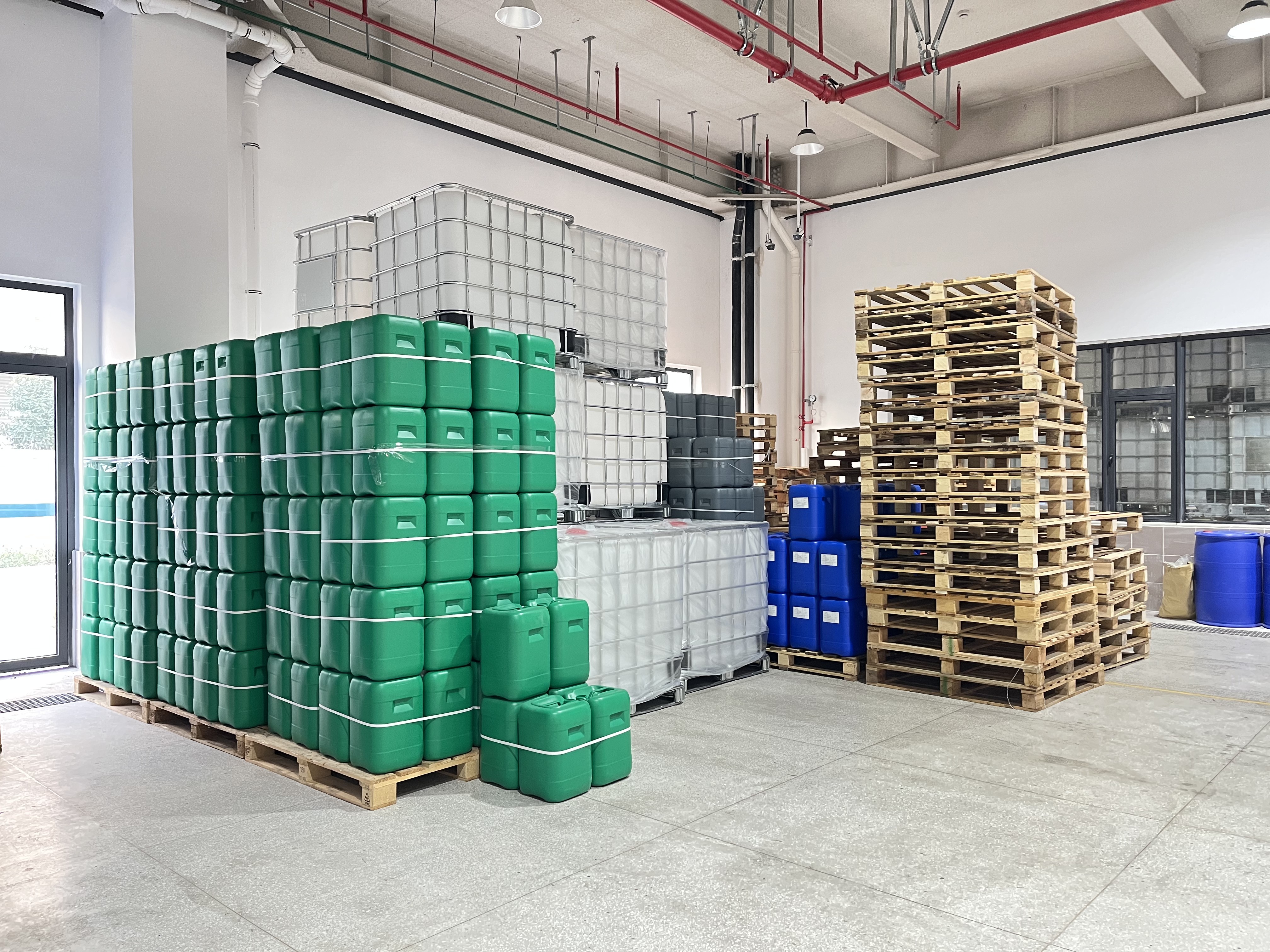
Water treatment chemicals are functional additives used to change water quality, protect infrastructure, or support a defined process outcome. They may remove suspended solids, control pathogens, reduce scale, limit corrosion, manage odor, stabilize pH, condition sludge, or prepare water for discharge. They are used in municipal plants, industrial utilities, cooling towers, boilers, membrane systems, closed loops, pools, and wastewater operations.
Their work falls into two broad groups. The first is water quality improvement for health protection, product quality, process reliability, reuse, or discharge compliance. The second is asset protection for membranes, boilers, heat exchangers, cooling towers, piping, tanks, pumps, and distribution systems. A chemical program can solve targeted problems, but it cannot replace poor system design, incomplete sampling, weak mixing, uncontrolled dosing, or skipped maintenance.
Destabilize suspended solids, colloids, oils, metals, color, and turbidity.
Control bacteria, viruses, algae, fungi, slime, and biofilm.
Adjust pH, alkalinity, hardness, ORP, oxygen levels, and residual disinfectant.
Protect equipment from scale, corrosion, fouling, pressure drop, and heat-transfer loss.
Improve clarification, filtration, flotation, RO recovery, sludge dewatering, and cleaning results.
Chemicals usually work with mechanical and physical processes, not apart from them. A municipal train may use coagulation, flocculation, sedimentation, filtration, and disinfection. RO pretreatment may include antiscalant, pH control, dechlorination, or solids removal chemistry. Cooling towers may need scale inhibitors, corrosion inhibitors, dispersants, and microbial control. Wastewater finishing may need metal precipitation, odor control, sludge polymers, defoamers, and residual control.
Advanced treatment can also include catalytic oxidation, advanced oxidation support, catalytic media, and Coated Catalysts. These products require site proof, side-reaction review, and monitoring data before full approval.
Surface water often has higher turbidity, organics, algae, pathogens, and seasonal swings. Groundwater may show lower turbidity but higher hardness, iron, manganese, dissolved gases, arsenic, or scaling risk. Industrial process water may contain oils, surfactants, metals, solvents, heat, high COD, or variable pH. Seawater and brackish water increase biofouling, corrosion, and membrane scaling pressure. Wastewater selection is shaped by permit limits, odor, sludge, nutrients, metals, toxicity, and downstream biology.
Chemical treatment links directly to uptime, compliance, water quality, and asset life. A “do nothing” approach can leave scale, corrosion, fouling, and microbiological growth unchecked. A generic product can be just as risky when it ignores metallurgy, source-water variation, temperature, retention time, discharge limits, or equipment compatibility.
Disinfection, coagulation, pH control, and residual management help control pathogens, suspended solids, metals, and nuisance compounds. Chlorine-based chemistries still matter where storage tanks and distribution piping need continuing residual protection. UV and ozone can work at the treatment point, but they do not provide the same downstream residual. Specialty contaminants such as nitrate, arsenic, cyanotoxins, radionuclides, and PFAS-type concerns often require dedicated treatment review.
Scale reduces heat transfer and raises energy demand. Corrosion creates leaks, failures, and contamination risk. Biofilm increases pressure drop, lowers membrane flux, and shields microbes from disinfectants. Correctly matched inhibitors, dispersants, cleaners, and microbial-control programs reduce these losses. They also extend membrane life, improve boiler stability, and help cooling towers maintain cycles of concentration.
Better treatment can reduce water loss, rework, emergency cleaning, and premature replacement. It can also lower pumping pressure and improve heat-transfer efficiency. Every program still needs a trade-off review. Some chemicals reduce fouling but increase sludge, phosphorus load, salinity, residual toxicity, or discharge treatment demand. Environmental claims should be checked against field dose, biodegradability, sludge volume, residuals, energy savings, and permit results.
Chemicals should be organized by function, not only by product name. The table below gives a practical comparison of common classes, where they are used, and what buyers need to verify before selection.
Chemical Class | Main Function | Common Applications | Selection Risk |
Coagulants and flocculants | Destabilize particles and build removable floc | Surface water, wastewater, DAF, filtration, RO pretreatment | Overdose can depress pH, increase sludge, or foul membranes |
Disinfectants and Biocidal Agents | Control pathogens, bacteria, algae, fungi, slime, and biofilm | Drinking water, cooling towers, closed loops, process water | Byproducts, material attack, discharge limits, or off-label use |
Oxidants and dechlorination agents | Oxidize nuisance compounds or remove unwanted residual chlorine | Odor control, sulfide reduction, RO protection, discharge polishing | Overfeed can affect biology, ORP, oxygen demand, or aquatic toxicity |
Scale and corrosion inhibitors | Limit mineral deposition and metal attack | Boilers, cooling towers, RO systems, closed loops, distribution lines | A program can fail outside its pH, temperature, or metallurgy range |
pH and alkalinity control chemicals | Adjust pH for reactions, stability, corrosion control, and permits | Neutralization, coagulation, boilers, wastewater, potable water | Poor control can cause overshoot, scaling, corrosion, or permit excursions |
Oxygen scavengers | Remove dissolved oxygen to limit oxidation corrosion | Boiler feedwater, steam systems, condensate return, closed systems | Legacy products may carry health or regulatory concerns |
Chelants and Macromolecular Chelate Agents | Bind hardness ions and metals to reduce deposits or staining | Boilers, cleaning programs, metal management, deposit control | Strong chelation can complicate downstream metal precipitation |
Remove scale, rust, oils, organics, and biofilm | RO cleaning, heat exchangers, boilers, cooling towers, closed loops | A mismatched cleaner can damage surfaces or shorten component life | |
Address site-specific problems such as odor, foam, metals, or difficult organics | Industrial effluent, cooling water, wastewater polishing, advanced treatment | Novel claims need field data, compatibility review, and compliance approval |
Coagulants neutralize particle charge and form microflocs. Flocculants help those particles grow into macroflocs that settle, float, or filter more easily. Common examples include alum, ferric chloride, ferric sulfate, polyaluminum chloride, activated silica, polyacrylamide, and polymer blends. Jar tests should compare dose, pH, alkalinity impact, floc strength, settling rate, filterability, and sludge volume.
Potable disinfection focuses on public health, approved use, residual control, and byproduct limits. Common chemistries include chlorine, sodium hypochlorite, calcium hypochlorite, chloramines, chlorine dioxide, ozone, and peracetic acid. Industrial biocides focus more on biofilm, slime, algae, corrosion under deposits, and heat-transfer protection. Cooling systems often use oxidizing and non-oxidizing programs together, with monitoring based on microbial activity and system risk.
Scale inhibitors may include phosphonates, polyacrylates, phosphate esters, polymaleates, and dispersant polymers. Corrosion inhibitors may include sodium nitrite, molybdate, silicates, orthophosphate, zinc orthophosphate, and azoles for copper alloys. Oxygen scavengers such as sodium sulfite, carbohydrazide, DEHA, and other alternatives help protect boiler and steam systems. Chelants bind metals and hardness ions, but their discharge impact must be reviewed.
Cleaning products may be acidic, alkaline, oxidizing, reducing, surfactant-based, enzyme-assisted, or membrane-compatible. They should match the foulant: mineral scale, rust, organics, oil, grease, biofilm, or mixed deposits. Wastewater programs may also use sludge conditioning polymers, metal precipitants, sulfide oxidants, phosphorus precipitants, defoamers, and odor-control agents. The final decision should consider both treatment results and downstream burden.
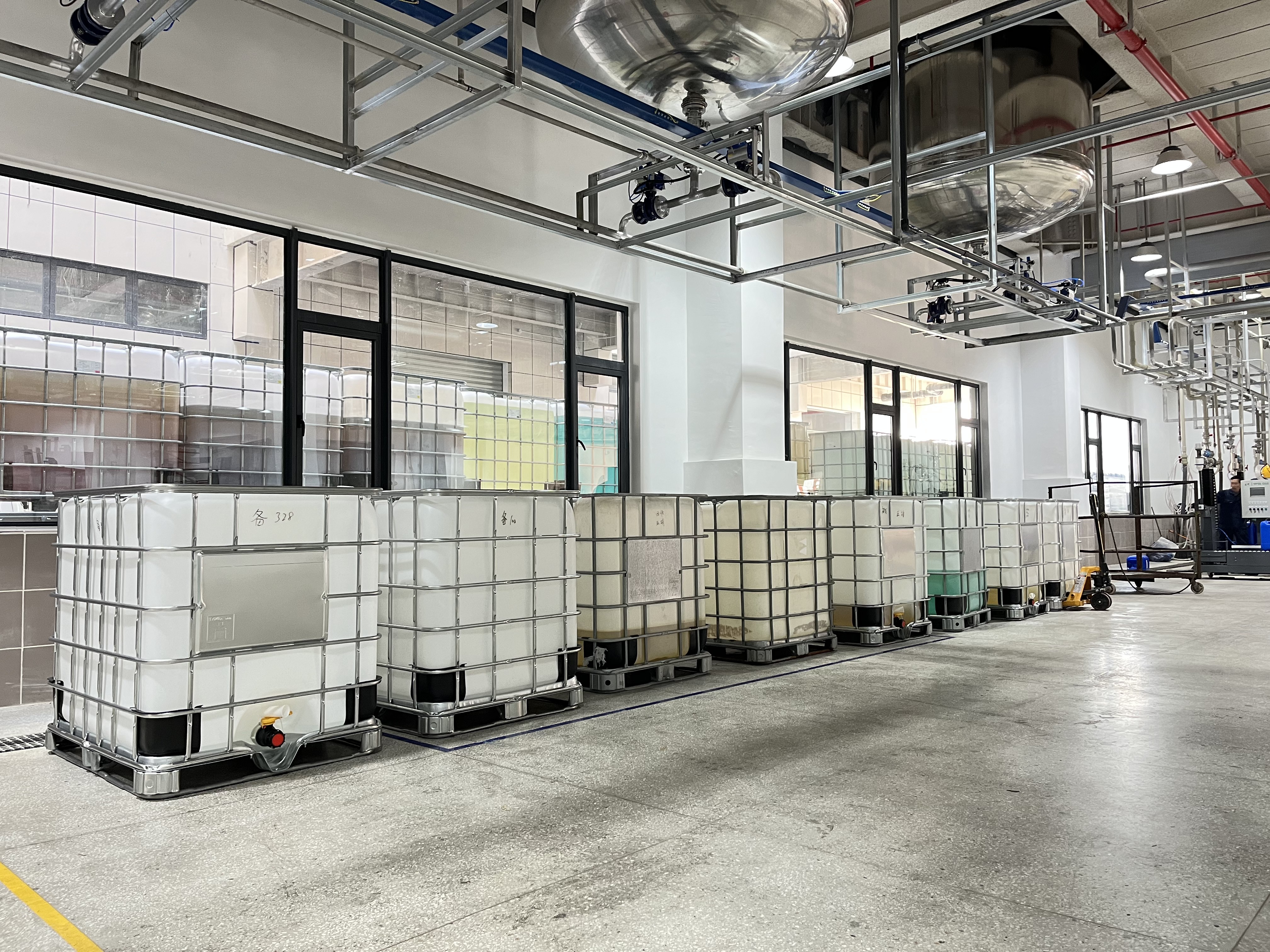
The same chemical class can have different goals in different systems. Application context changes the acceptable dose, monitoring method, compliance requirement, and risk profile.
System Type | Typical Chemical Needs | Primary Success Metrics | Key Buying Questions |
Municipal and drinking water | Coagulants, flocculants, disinfectants, pH adjusters, corrosion inhibitors, taste and odor agents | Turbidity, pathogen control, residual disinfectant, lead/copper stability, taste and odor | Is the product approved for potable use and proper maximum dose? |
RO and membrane systems | Antiscalants, dechlorination agents, pH control, pretreatment coagulants, membrane cleaners | Normalized flux, differential pressure, recovery rate, CIP frequency, membrane life | Is it compatible with the specific membrane and chlorine residual target? |
Cooling towers | Scale inhibitors, corrosion inhibitors, dispersants, biocides, algaecides, defoamers | Heat transfer, microbial trend, corrosion rate, cycles of concentration, blowdown cost | How will biofilm, Legionella risk factors, and discharge impact be monitored? |
Boiler systems | Oxygen scavengers, alkalinity control, scale inhibitors, phosphate or chelant programs, condensate treatment | Conductivity, steam purity, scavenger residual, tube condition, blowdown control | Is the chemistry suitable for pressure, temperature, and steam use? |
Closed loops | Corrosion inhibitors, buffers, dispersants, oxygen control, selective biocides | Corrosion rate, inhibitor residual, solids loading, mixed-metal protection | Has the loop been cleaned before inhibitor passivation? |
Wastewater and industrial effluent | Coagulants, flocculants, pH neutralizers, metal precipitants, odor agents, sludge polymers, defoamers | Permit compliance, sludge cake solids, odor reduction, residual toxicity, final outfall quality | Does the chemical improve final compliance or only an intermediate step? |
Pools and recreational water | Chlorine products, pH adjusters, alkalinity control, algaecides, clarifiers, scale and stain control | Disinfectant residual, clarity, bather safety, pH stability, surface protection | Does the program follow local health code requirements? |
A credible recommendation begins with data, not a product label. Facilities should gather current water analysis, process conditions, treatment goals, equipment materials, discharge limits, and operating history before accepting a dose proposal.
Water chemistry: pH, hardness, alkalinity, conductivity, TDS, silica, chloride, sulfate, iron, manganese, turbidity, and organics.
Application-specific parameters: COD, BOD, ammonia, nitrate, phosphorus, heavy metals, oil and grease, microbiology, or residual disinfectant.
Operating conditions: temperature, pressure, flow variability, retention time, recovery rate, blowdown strategy, and seasonal source-water changes.
System context: metallurgy, membranes, coatings, elastomers, tank materials, pumps, valves, and discharge route.
Scale, corrosion, biofilm, iron fouling, oil fouling, odor, and foam can appear similar during routine inspections. They need different chemistry. Deposit analysis, corrosion coupons, microscopy, ATP testing, microbial culture, lab data, trend review, and system inspection help identify the real failure mode. Misdiagnosis often causes chemical overfeed and poor results.
Facilities should compare products by measurable outcomes. Useful KPIs include turbidity reduction, settling rate, filter run time, corrosion rate, scaling index trend, normalized membrane flux, differential pressure, heat-transfer efficiency, microbial counts, chlorine residual, ORP, sludge cake solids, metals concentration, odor events, foam events, and cleaning interval. Feed rate alone is not proof of performance.
Use jar testing for coagulants, flocculants, and clarification programs.
Use titration or bench trials for pH control, neutralization, and metal precipitation.
Confirm cleaner, inhibitor, and biocide compatibility with membranes and materials.
Run a controlled side-stream or full-scale trial under documented conditions.
Set pass/fail criteria before the trial starts.
Dosing accuracy determines field performance. Underfeed can allow breakthrough contamination, scaling, corrosion, microbial regrowth, odor return, poor sludge conditioning, or permit failure. Overfeed can waste chemical, increase sludge, damage membranes, shift pH, create byproducts, inhibit biology, or raise safety exposure.
A target dose should be based on water analysis, testing, residual requirements, active content, and treatment goals. A common planning formula is:
pounds per day = flow in MGD × target dose in mg/L × 8.34 ÷ active fraction
Liquid feed rates also need correction for product density, concentration, and pump calibration. The calculated dose must be checked against residuals, lab data, field observations, and operating KPIs. A dose from another site should not be copied without confirming water chemistry and flow.
Flow-paced dosing can handle throughput changes. Feedback control can use pH, ORP, residual disinfectant, conductivity, turbidity, differential pressure, microbial testing, and online analyzers. Automation improves stability only when sensors are cleaned, calibrated, and tied to meaningful setpoints. Manual fallback procedures should be documented before startup.
Coagulants need corrosion-resistant wetted materials and suitable injection-point mixing.
Polymers need low-shear transfer, correct dilution water, and proper make-down time.
Sodium hypochlorite systems need controls for degradation, gas release, and vapor lock.
Acids and caustics need compatible tanks, seals, ventilation, containment, and precise turndown.
Lime slurries need agitation, abrasion-resistant equipment, anti-settling design, and flushing.
Dechlorination systems need residual monitoring to prevent chlorine breakthrough or reducing-agent overfeed.
Before switching products, the facility should review compatibility with old chemistry, clean or isolate tanks where needed, update labels, revise SDS files, train operators, adjust pump settings, and recalibrate analyzers. During the first 30 to 90 days, operators should log dose, flow, residuals, pH, sludge behavior, deposits, and KPIs more frequently.
Regulatory fit should be treated as a go/no-go filter. Drinking water programs may need review against Safe Drinking Water Act requirements, EPA drinking water rules, state rules, local requirements, and NSF/ANSI/CAN 60 or equivalent approvals. Product use category, maximum dose, impurity limits, residual limits, and disinfection byproduct effects should be confirmed before purchase.
Wastewater and discharge programs need review against NPDES or local permits, pH limits, chlorine residual limits, metals limits, nutrient limits, aquatic toxicity requirements, and sludge disposal rules. Dechlorination may be required before RO membranes, sensitive biological treatment, or aquatic discharge.
Biocides and algaecides may be regulated as pesticide or antimicrobial products. Allowed use sites, label directions, maximum dose, worker safety instructions, storage rules, and discharge restrictions should be checked. Off-label use can create compliance and liability exposure.
Safety review should include SDS documents, PPE, hazard communication, spill control, ventilation, eyewash and shower access, secondary containment, and chemical segregation. Oxidizers, acids, caustics, sulfites, hypochlorite, ammonia-containing products, and reactive blends require careful storage planning.
Lowest unit price rarely means lowest total cost. A fair comparison uses cost per treated volume, cost per active unit, and cost per outcome. The purchase price should be weighed against dose efficiency, active concentration, freight, storage, shelf life, feed equipment, calibration, operator time, testing supplies, and service support.
Indirect costs often matter more. Scale and fouling increase energy use. Corrosion increases repair risk. Poor control can shorten membrane life, raise cleaning frequency, increase sludge hauling, trigger downtime, or create permit exposure. A higher-priced product can be less expensive when it reduces energy loss, cleaning cycles, blowdown, sludge volume, or failure risk.
Cost Area | What to Compare | Why It Matters |
Chemical cost | Active concentration, dose stability, delivered cost, dilution needs | Drum price can hide weak active content or high consumption |
Operations | Testing time, pump maintenance, calibration, storage, handling | Complex programs may need more labor and controls |
Asset protection | Membrane life, tube condition, corrosion rate, heat-transfer efficiency | Asset failures often exceed chemical savings |
Waste and discharge | Sludge volume, toxicity, nutrients, pH correction, residual management | One treatment gain may increase downstream cost |
Many chemical failures come from implementation gaps rather than from the active ingredient itself. A technically sound product can fail if the diagnosis, feed equipment, monitoring plan, or switchover process is weak.
Misdiagnosis: Confirm deposits, microbes, corrosion, oil, and metals with data before changing chemistry.
Generic selection: Adjust the program for metallurgy, source-water shifts, temperature, residence time, and permits.
Poor switchover: Clean tanks, update SOPs, train operators, relabel storage, and recalibrate analyzers.
Feed limitations: Verify pump turndown, tubing compatibility, polymer shear limits, and injection-point mixing.
Downstream effects: Include sludge, residuals, pH, toxicity, and final discharge KPIs in the trial plan.
Supplier comparison should follow the same evidence standard across all candidates. A facility should request a documented recommendation that links water data, chemical class, dose logic, monitoring, compliance, and support.
What specific water problem is the chemistry designed to solve?
What site data supports the selected chemical class and dose?
Which KPI will prove success, and how will it be measured?
What side effects are expected for sludge, residuals, materials, or discharge?
What feed equipment, storage, training, and monitoring changes are required?
What support is included for testing, commissioning, troubleshooting, and reporting?
Product data sheet, SDS, active concentration, and feed-rate calculation.
Recent water-analysis-based recommendation and treatment rationale.
Compatibility confirmation for membranes, metals, seals, tanks, and pumps.
Approval or registration evidence where potable use or biocide use applies.
Trial plan with KPIs, monitoring schedule, pass/fail criteria, and corrective actions.
Supply continuity plan, service response commitments, and reporting cadence.
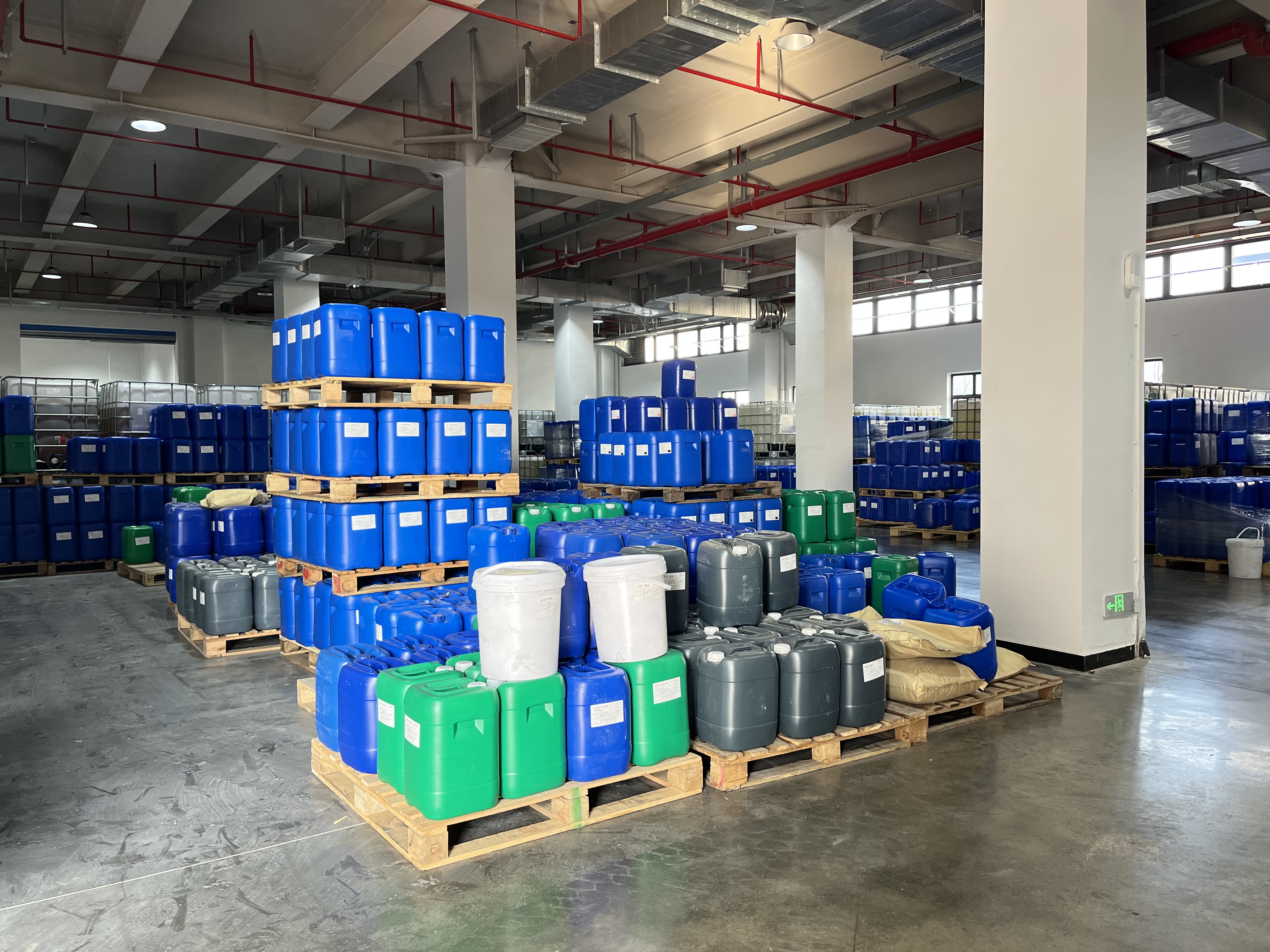
Water treatment chemical selection should be treated as a performance and risk-management decision. The strongest programs connect site data, chemistry, dosing control, safety, compliance, supplier support, and lifecycle cost.
Collect recent water analysis from raw water, process points, and discharge points.
Identify system type, operating limits, failure history, and target KPIs.
Request a recommendation with dose logic, monitoring plan, and equipment requirements.
Run a controlled trial that tracks performance, safety, sludge, and discharge impact.
Approve suppliers only after technical fit, service capability, and supply reliability are verified.
A: The main types include coagulants, flocculants, disinfectants, biocides, oxidants, dechlorination agents, pH adjusters, scale inhibitors, corrosion inhibitors, oxygen scavengers, chelants, cleaners, sludge conditioners, defoamers, and specialty treatment products.
A: Selection should start with water analysis, system type, metallurgy, treatment goals, compliance limits, and failure history. The recommendation should then be validated through testing, controlled dosing, and measurable KPIs.
A: Often yes. Physical systems may still need pretreatment, antiscalants, dechlorination, pH control, residual disinfection, corrosion protection, or cleaning chemistry. The required program depends on the full treatment train.
A: Coagulants neutralize particle charge and create microflocs. Flocculants help those particles form larger macroflocs that settle, float, or filter more easily. They often work as paired steps.
A: Chlorine residual may damage RO membranes, affect sensitive processes, inhibit biological treatment, or breach discharge limits. Sodium bisulfite, sodium metabisulfite, and sodium thiosulfate are common dechlorination options.
A: Total cost includes active concentration, dose efficiency, freight, storage, feed equipment, testing, operator time, energy performance, cleaning frequency, sludge disposal, equipment life, compliance risk, and downtime exposure.


