


Views: 0 Author: Site Editor Publish Time: 2026-07-29 Origin: Site


Customized chemical programs usually outperform generic products when wastewater quality changes, treatment goals compete, or downstream equipment is sensitive. Most failures are not caused by a total absence of treatment chemicals. They usually start with program mismatch, unstable influent, poor dosing control, incompatible sequencing, or weak optimization after startup. Buyers must balance discharge compliance, sludge volume, equipment protection, operator safety, water reuse goals, and total operating cost across changing wastewater conditions. Stable streams can often use standard products. Variable industrial and municipal wastewater usually needs customized formulation, pilot validation, dosing logic, and supplier engineering support. A practical evaluation of Water Treatment Chemicals therefore starts with water chemistry, process mapping, lifecycle cost, and proof under representative conditions. That approach helps decision makers compare product price with sludge handling, downtime, labor demand, safety exposure, and permit risk before full-scale conversion.
Customized water treatment chemicals should be evaluated by measurable outcomes: permit compliance, sludge reduction, dosage stability, system compatibility, operator workload, and total cost per compliant volume treated
The right program is rarely a single product; it is usually a complete set water treatment chemicals strategy spanning coagulation, flocculation, precipitation, pH control, oxidation, disinfection, scale/corrosion control, odor control, dewatering support, and monitoring
Low cost water treatment chemicals can increase total cost if they raise sludge hauling, overdosing risk, membrane fouling, corrosion, chemical incompatibility, or non-compliance exposure
High efficiency water treatment chemicals should be proven through jar tests, treatability studies, live-stream pilots, or side-by-side plant trials before full-scale deployment
The strongest supplier proposals combine chemistry, dosing equipment, process data, SOPs, safety documentation, and optimization support rather than only quoting product price
Permit exceedances are usually late-stage symptoms. Earlier warning signs often appear in production, utilities, solids handling, odor control, or operator workload. Plants that wait for a violation notice often pay first through sludge hauling, sewer surcharges, emergency labor, or damaged equipment.
Flow spikes from batch dumps, cleaning cycles, stormwater intrusion, or production surges
Rising solids, turbidity, foam, carryover, and fats, oils, and grease (FOG)
Unstable pH, falling alkalinity, excess oxidant residual, or polymer overfeed
Hydrogen sulfide odor, anaerobic conditions, and collection-system complaints
Higher publicly owned treatment works (POTW) surcharges and more sludge hauling events
Wastewater issues often begin upstream. Raw water, process water, clean-in-place discharge, cooling blowdown, boiler blowdown, sanitary flow, and production changes can all shift chemical demand. End-of-pipe testing alone rarely explains why solids rise, metals stop settling, or biology becomes unstable. A source-to-discharge audit shows whether the answer should be chemical, operational, equipment-based, or combined.
Early Signal | Likely Source | First Check | Chemical Implication |
Foam or DAF carryover | Surfactants, polymer overdose, or FOG surge | Jar test, pH, FOG, and polymer feed rate | Adjust coagulant, flocculant, or antifoam strategy |
Rising sludge volume | Coagulant mismatch or overdosing | Sludge density and dose-response curve | Retest metal salts, polymers, and bio-based options |
Odor complaints | Sulfides, anaerobic zones, or long retention | ORP, sulfide, pH, and collection-system conditions | Review oxidation, nitrate, iron salt, or odor-control chemistry |
Membrane fouling | Residual polymer, scale, oil, or biofilm | SDI, hardness, organics, and feed sequence | Confirm membrane-compatible antiscalants and cleaners |
Preliminary treatment: equalization, pH pre-adjustment, grit support, and odor suppression
Primary treatment: coagulation, flocculation, sedimentation, DAF, FOG removal, and metals precipitation
Secondary treatment: biological support, alkalinity control, nutrient balance, and toxicity reduction
Tertiary treatment: filtration, membranes, adsorption, advanced oxidation, disinfection, and reuse polishing
The best chemical choice is defined by plant outcomes, not product labels. Facilities should define success under average flow, peak flow, batch discharge, wet-weather conditions, and worst-case wastewater before comparing quotes.
Technical goals may include pH, total suspended solids, turbidity, COD, BOD, TOC, FOG, metals, nutrients, sulfides, odor, color, pathogen reduction, or disinfectant residual. Operational goals may include lower sludge volume, fewer manual corrections, stronger dewatering, better reuse potential, and longer equipment life. Procurement goals should include supply reliability, storage footprint, lot consistency, dosing simplicity, SDS quality, and emergency response readiness.
Facilities comparing Industrial Water Treatment Chemicals, Commercial Water Treatment Chemicals, and Municipal Water Treatment Chemicals should separate wastewater problems by lifecycle stage. Before use, water may need conditioning against scale, corrosion, or microbial growth. During use, process loops, cooling towers, boilers, and cleaning systems create their own chemical demands. After use, treatment must satisfy discharge, reuse, POTW, or direct-discharge requirements.
Physical treatment removes grit, oil, settleable solids, and some suspended particles. Biological treatment removes biodegradable organics and often nutrients. Chemical treatment is most valuable when it improves physical separation, stabilizes pH, converts dissolved contaminants, supports disinfection, or protects downstream equipment. It should not be used to hide poor equalization, weak mixing, or overloaded clarification.
| Success Metric | Why It Matters | Trial Evidence Needed |
Permit compliance | Reduces discharge risk and surcharge exposure | Effluent data under normal and peak conditions |
Sludge reduction | Lowers dewatering, hauling, and disposal cost | Sludge volume, density, and dewaterability data |
Dosage stability | Reduces operator workload and overfeed risk | Feed-rate trends and process-control records |
System compatibility | Protects membranes, biomass, digesters, and pumps | Compatibility review and side-stream testing |
Total cost per compliant volume | Compares full operating economics | Chemical, sludge, labor, downtime, and maintenance cost |
Most plants need a Complete Set Water Treatment Chemicals strategy instead of one isolated product. The program may span coagulation, flocculation, pH control, precipitation, oxidation, disinfection, scale control, corrosion control, odor management, dewatering, and monitoring.
| Chemical Category | Primary Role | Common Applications | Selection Warning |
Coagulants and flocculants | Neutralize charge and build removable floc | Clarifiers, DAF, tertiary polishing, and dewatering | Fast clarity can still create excess sludge |
pH adjusters and neutralizers | Move wastewater into the required pH window | Precipitation, biology support, corrosion control, and discharge | pH control without buffering review can destabilize biology |
Precipitants | Convert dissolved contaminants into solids | Metals removal and phosphorus control | Chelants and wrong pH windows reduce performance |
Oxidizers, reducers, and disinfectants | Transform reactive contaminants or inactivate pathogens | Sulfide control, color reduction, dechlorination, and disinfection | Residuals, byproducts, and corrosion must be controlled |
Scale and corrosion inhibitors | Protect heat transfer and asset life | Boilers, cooling systems, closed loops, and membranes | Phosphorus, metals, and membrane limits can affect discharge |
Biocides and specialty additives | Control biofilm, foam, odor, or difficult contaminants | Cooling towers, process water, odor zones, and reuse systems | Compatibility, toxicity, and contact time must be verified |
Inorganic coagulants may include alum, ferric chloride, ferric sulfate, and polyaluminum chloride. Organic coagulants and polymers are selected by charge density, molecular weight, shear tolerance, and floc behavior. Bio-based or biodegradable flocculants may fit plants that prioritize sludge reduction, lower toxicity, or reuse compatibility. Selection should compare clarification speed, sludge yield, dose sensitivity, and downstream effects.
Acids may include sulfuric acid, hydrochloric acid, phosphoric acid, or carbon dioxide where applicable. Bases may include sodium hydroxide, soda ash, lime, or magnesium hydroxide. Precipitants target regulated metals such as chromium, nickel, copper, zinc, manganese, iron, and lead. Oxidants may include chlorine, sodium hypochlorite, chlorine dioxide, peroxide, ozone, or peracetic acid. Reducers may support dechlorination, oxygen scavenging, or contaminant-specific treatment.
Scale inhibitors may use phosphonates, polyacrylates, polyphosphates, polymer dispersants, or low-toxicity antiscalants. Corrosion inhibitors may include sodium nitrite, sodium molybdate, zinc orthophosphate, phosphate blends, filming amines, or non-phosphorus alternatives. Closed-loop cooling and chilled-water programs may also review a product such as ECH-808 composite water treatment agent when scale, corrosion, and deposit control must be coordinated.
Difficult wastewater may need odor-control chemicals, antifoams, membrane-compatible cleaners, filter aids, biological augmentation, or dewatering polymers. Advanced oxidation processes, electrocoagulation, or electrochemical oxidation may be justified for refractory COD, phenols, cyanide, color, sulfides, toxicity, or water reuse polishing. Higher capital and energy requirements should be justified by lower surcharge risk, better biodegradability, safer discharge, or improved reuse value.
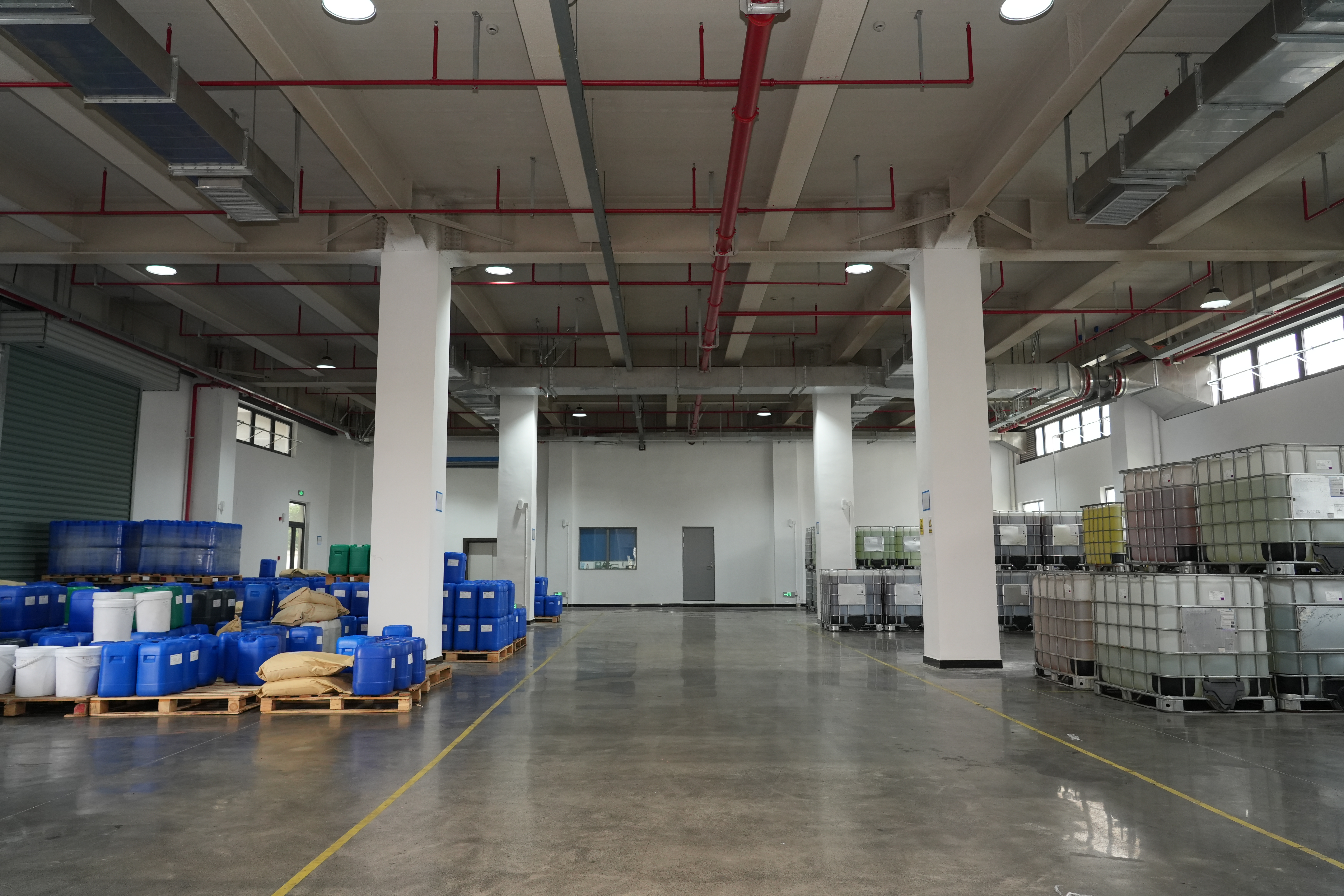
Standard products can work well when influent is stable, equipment is tuned, and treatment goals have a wide operating window. Customized programs become more valuable when wastewater varies, downstream systems are sensitive, or failure carries a high operational cost.
Stable influent composition and predictable hydraulic loading
Simple goals such as routine pH control or predictable disinfection
Existing equipment already matched to known chemistry
Low consequence from modest efficiency loss
Limited need for SKU consolidation or custom packaging
Wide swings in pH, COD, TSS, FOG, metals, salinity, conductivity, temperature, or flow
Mixed wastewater from production, cleaning, utilities, sanitary flows, and stormwater intrusion
Repeated issues with sludge volume, carryover, odor, foaming, polymer use, or surcharges
Need to protect membranes, biology, digesters, dewatering systems, or reuse quality
Product-quality risk when incoming water chemistry affects manufacturing performance
| Decision Factor | Standard Program | Customized Program |
Influent variability | Best for stable streams | Better for mixed or unstable wastewater |
Startup speed | Often faster | Usually requires more testing |
Dose fit | Acceptable when conditions are predictable | Stronger when chemistry is site-matched |
Sludge optimization | May not be optimized | Can reduce sludge through better chemical matching |
Supply planning | Simpler inventory model | May need lead-time and backup planning |
Total cost control | Depends on stable operation | Often stronger in variable systems |
Custom does not automatically mean lower cost. A higher unit price can still be economical if sludge hauling, labor, downtime, water use, or non-compliance exposure falls. Buyers should verify batch consistency, raw-material substitution controls, minimum order quantities, change control, and worst-case performance before long-term supply approval.
Strong proposals depend on strong data. Plants that share incomplete water chemistry often receive broad dose ranges and weak cost projections. Testing should cover normal, peak, seasonal, and unusual production conditions.
pH, alkalinity, acidity, hardness, conductivity, TDS, salinity, and temperature
TSS, turbidity, particle behavior, settleability, floatability, and zeta potential where useful
COD, BOD, TOC, dissolved oxygen, biodegradability, and biomass toxicity indicators
FOG, surfactants, emulsified oils, sulfides, and odor-causing compounds
Metals such as iron, copper, zinc, chromium, nickel, manganese, lead, and aluminum
Nutrients including ammonia, nitrate, total nitrogen, orthophosphate, and total phosphorus
Microbiological load, pathogen indicators, biofilm risk, and disinfectant residual targets
Average flow, peak flow, batch timing, rainfall effects, and production schedules
Suspended solids and colloids usually need coagulation and flocculation. Emulsified oils may need pH adjustment, emulsion breaking, DAF support, and biological augmentation. Dissolved metals require the right precipitation chemistry, oxidation state, and pH window. High-organic wastewater may need biological support, staged oxidation, or advanced pretreatment. Cooling and boiler streams should be reviewed by saturation tendency, metallurgy, temperature, oxygen exposure, and cycles of concentration.
| Industry or System | Typical Wastewater Pattern | Chemical Selection Impact |
Food and beverage | High BOD, COD, FOG, proteins, sugars, nutrients, and pH swings | Needs FOG control, biological stability, and surcharge reduction |
Petrochemical and refinery | Hydrocarbons, sulfides, ammonia, metals, odor, and refractory organics | May need oxidation, sulfide control, and toxicity management |
Metal finishing | Metals, oil, variable pH, ammonia nitrogen, and selected cyanide streams | Requires precipitation control and strict compatibility review |
Cement and ceramics | Very high TSS, high pH, abrasive solids, and metals | Needs solids-heavy clarification and abrasion-aware operations |
Municipal wastewater | Wet-weather variability, nutrients, pathogens, odor, and biosolids limits | Requires public-health compliance and seasonal control logic |
Dosage should start from jar tests, bench studies, treatability studies, or side-stream pilots. Catalog ranges can guide screening, but they rarely define a safe full-scale feed rate. Testing should identify the dose-response curve and the point where extra chemical adds sludge or risk without meaningful performance gain.
Suppliers should state whether the dosage is based on neat product, active ingredient, dry polymer, metal content, or diluted solution strength. Practical feed rates depend on flow, target dose, product concentration, active fraction, density, viscosity, dilution ratio, pump capacity, and line losses.
Basic mass approach: product demand per day = flow treated per day multiplied by target dose, then adjusted for active fraction and product density.
Confirm the target dose from representative testing.
Convert plant flow into daily treated volume.
Adjust for active ingredient percentage and dilution strength.
Check pump turndown, stroke settings, and maximum feed capacity.
Validate the setting during live operation.
Flow-paced dosing for variable hydraulic loading
pH-controlled dosing for neutralization and metals precipitation
ORP monitoring for oxidation, reduction, dechlorination, and sulfide control
Turbidity, TSS, streaming current, or zeta indicators for coagulation control
Conductivity, hardness, corrosion coupons, and deposit monitoring for utility systems
Dose validation should review pump calibration, chemical sequence, injection point, flash mixing, flocculation energy, retention time, and sensor condition. Revalidation is needed after new raw materials, cleaning-chemical changes, process expansions, rainfall events, or permit updates.
Diagnose: Map the full source-to-discharge process. Sample incoming water, production discharge, equalization, primary treatment, biology, tertiary treatment, sludge handling, and final discharge. Audit current chemistry, feed points, storage, pump calibration, and failure history.
Engineer: Run jar tests, bench studies, and treatability trials on representative samples. For variable wastewater, use mobile pilots or side-stream trials. Compare chemical-only, equipment-only, biological, physical, and hybrid options before approval.
Deploy: Set dosing pumps, calibration intervals, sensor logic, SOPs, PPE, labeling, containment, SDS access, and emergency response steps. Define startup metrics, sampling frequency, escalation limits, and fallback chemistry.
Optimize: Track effluent stability, chemical use, sludge generation, reuse rate, dewatering performance, odor complaints, and operator interventions. Adjust the program after seasonal shifts, production changes, equipment upgrades, or regulatory changes.
Claims for High Efficiency Water Treatment Chemicals should be proven through plant-specific data. In real operations, efficiency means stable effluent, lower sludge burden, manageable dosage, broad operating tolerance, and fewer downstream side effects. Procurement teams evaluating Low Cost Water Treatment Chemicals should use total cost of ownership, not delivered drum price.
Faster settling or flotation with lower loading pressure on clarifiers or DAF units
Lower dose requirement without narrowing the operating window
Lower sludge yield and lower disposal frequency
Better compatibility with membranes, biomass, digesters, filters, and dewatering equipment
Better water recovery where reuse is technically and legally feasible
Cost Area | Price-Only View | TCO View |
Chemical purchase | Delivered price per drum or tote | Cost per compliant cubic meter treated |
Dosage | Catalog range or supplier estimate | Dose proven by jar test, pilot, and feed-rate data |
Sludge | Often excluded from comparison | Dewatering polymer, hauling, disposal, and labor included |
Equipment | Assumed unchanged | Pump wear, corrosion, fouling, and cleaning frequency included |
Compliance | Measured after purchase | Evaluated under peak flow and worst-case wastewater |
Bio-based, low-toxicity, or non-phosphorus chemistries may reduce sludge, handling risk, toxicity, odor, or nutrient contribution in some systems. They are not automatically superior. They should be compared side by side against metal salts, synthetic polymers, oxidants, and phosphate programs using performance, sludge profile, safety, disposal, compatibility, and cost data.
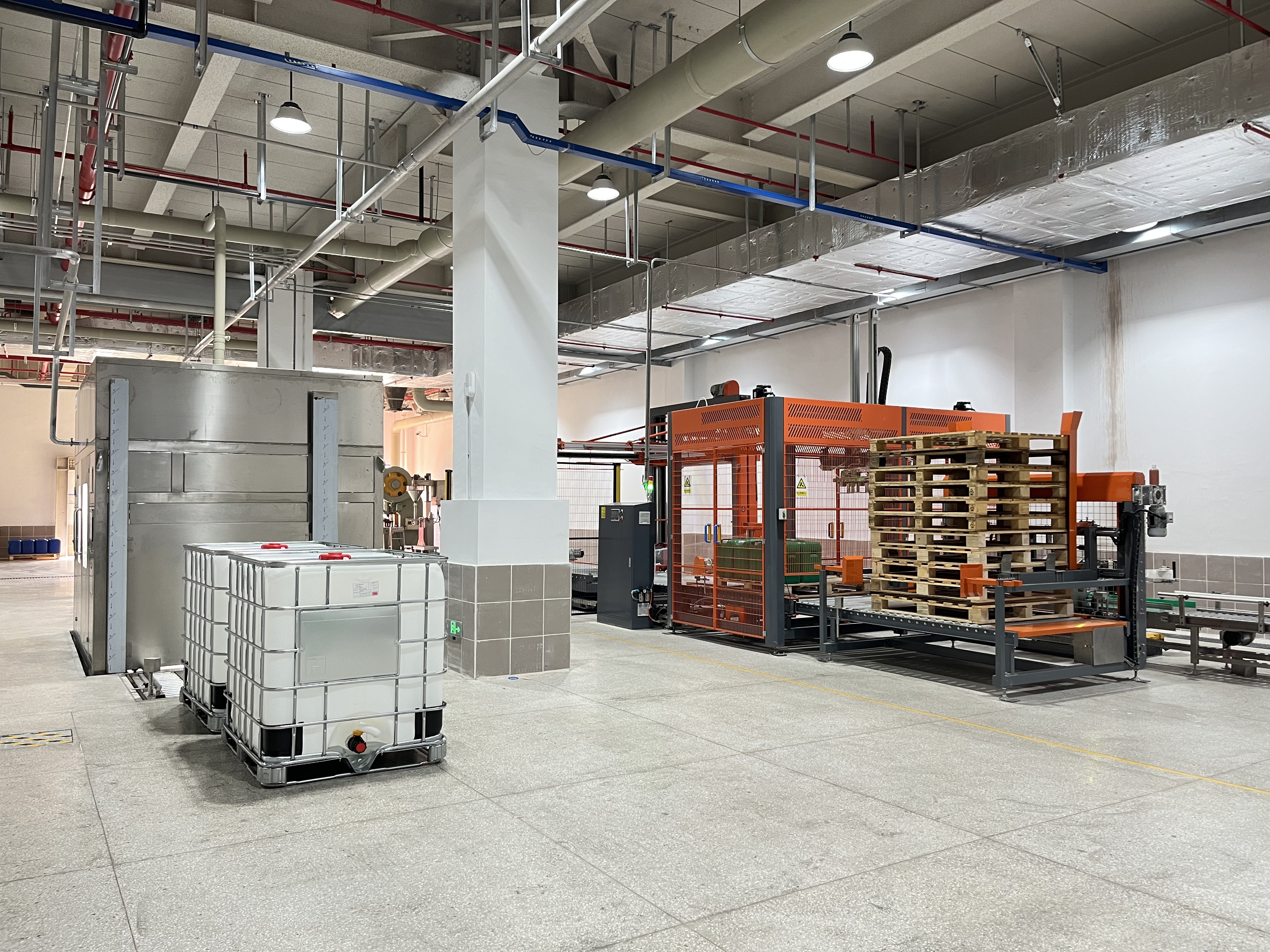
Supplier selection should include regulatory fit, safety documentation, quality controls, and startup support. This matters in municipal systems, industrial pretreatment, food-related facilities, pharmaceutical environments, and any plant facing public discharge or reuse obligations.
Discharge permit alignment and POTW pretreatment compatibility
OSHA hazard communication, labeling, SDS access, and site-specific safety guidance
NSF/ANSI Standard 60 or equivalent requirements where applicable
Product specifications, certificates of analysis, lot traceability, and batch consistency controls
Storage conditions, shelf life, freeze-thaw limits, and secondary containment requirements
Dosing basis, dilution instructions, active ingredient data, and test methodology
Change-control process for formulas, raw materials, manufacturing sites, and substitutions
Oxidizers degrading polymers or residual chlorine entering biological reactors
Acid/base sequencing errors caused by poor injection order
Scale inhibitors interfering with membranes, precipitation, or biological treatment
Biocides suppressing biomass after upstream process-water use
Excess cationic polymer affecting dewatering, membranes, or aquatic toxicity limits
Wrong injection points, weak flash mixing, or insufficient retention time
Sensor fouling, poor calibration, or missing alarm limits
Procurement-led product changes without engineering, EHS, or compliance review
Use cross-functional review across EHS, operations, maintenance, procurement, compliance, quality, and finance.
Follow a bench test, pilot test, and phased rollout sequence.
Define KPIs before switching chemistry.
Maintain fallback chemistry and emergency response steps during startup.
Document baseline and post-change data for compliance, audits, and ROI validation.
A strong proposal should explain the wastewater problem, not only quote a product. It should connect chemistry, dosing equipment, monitoring, safety, supply continuity, and optimization support to measurable plant outcomes.
Wastewater characterization summary with sampling locations and dates
Recommended chemistry package with rationale for each product
Explanation of standard, customized, or hybrid formulation logic
Dosing strategy, feed points, control logic, dilution requirements, and operating window
Expected performance under normal, peak, and worst-case conditions
Sludge expectations, including volume, density, dewaterability, and disposal impact
Compatibility review for DAF, clarifiers, filters, membranes, biology, digesters, boilers, cooling systems, and dewatering equipment
Pricing basis, lead times, packaging, shelf life, backup supply, and startup support
QA controls for blending, batch consistency, lot traceability, and formula changes
Shortlisting Criterion | Evidence to Request |
Relevant wastewater fit | Case data, treatability reports, or comparable plant references |
Testing discipline | Jar-test methods, pilot protocol, acceptance criteria, and reports |
Service depth | Pump sizing, sensor support, SOP development, and operator training |
TCO credibility | Transparent assumptions for chemical, sludge, labor, and compliance savings |
Quality control | COA, lot traceability, raw-material qualification, and change-control process |
Technical continuity | Startup availability, troubleshooting cadence, and optimization plan |
What influent variability assumptions are built into the recommendation?
Which contaminants drive the proposed chemical demand?
What failure conditions or sensitivity points have been identified?
How was the recommended dose calculated and validated?
How will sludge volume, density, and dewaterability change?
What downstream systems could be affected?
What metrics define success at startup, 30 days, 60 days, and 90 days?
The best water treatment chemical program fits actual wastewater behavior, equipment limits, compliance targets, staffing realities, and lifecycle cost. Final selection should be driven by data, not claims.
Compile 6 to 12 months of water-quality, flow, chemical-use, sludge, surcharge, and compliance data.
Rank the main pain points, including sludge, odor, foam, corrosion, variability, reuse limits, and permit risk.
Request jar testing, treatability studies, or pilots on normal and worst-case wastewater.
Compare proposals on TCO, compatibility, documentation, dosing control, and implementation support before conversion.
A: Main categories include coagulants, flocculants, pH adjusters, neutralization chemicals, precipitants, oxidizers, reducers, disinfectants, biocides, scale inhibitors, corrosion inhibitors, odor-control products, antifoams, biological augmentation products, and specialty cleaners or antiscalants.
A: Customization usually fits variable influent, multi-stream facilities, repeated compliance issues, sludge reduction goals, reuse targets, sensitive downstream systems, or high consequences of failure. It should be proven through representative testing before full-scale use.
A: Evaluation should include delivered price, active content, required dose, sludge volume, disposal cost, pump wear, labor, downtime, safety handling, surcharges, and compliance stability. The best comparison is cost per compliant volume treated.
A: Typical tests include pH, alkalinity, hardness, conductivity, TDS, salinity, temperature, TSS, turbidity, COD, BOD, TOC, FOG, surfactants, metals, nutrients, dissolved oxygen, microbiological load, flow variability, and discharge or reuse targets.
A: Dosage should start from jar tests, bench studies, or pilot data. It is then converted using flow rate, target dose, product concentration, active ingredient percentage, density, and pump capacity. Final settings need live-plant validation.
A: Sometimes they can, but only when the chemistry matches the wastewater. Claims should be validated through jar testing, treatability studies, or side-by-side plant trials under normal, peak, and worst-case conditions.
A: No. They may reduce sludge, toxicity, odor, or handling risk in some systems. They still need comparison against metal salts, polymers, oxidants, and phosphate programs using performance, cost, compliance, and compatibility data.


