


Views: 0 Author: Site Editor Publish Time: 2026-06-18 Origin: Site


Municipal water reports and rising well-water contamination have shifted water filtration from a luxury to a baseline health necessity. Buyers face a saturated market of water treatment equipment, making it difficult to distinguish between basic carbon filters and high-level purification systems. This often leads to mismatched solutions, unmet expectations, and hidden maintenance costs.
Evaluating a reverse osmosis system requires moving past marketing claims and analyzing verifiable data—specifically filtration efficacy, wastewater ratios, Total Cost of Ownership (TCO), and implementation risks across different infrastructures. You must establish a clear understanding of your local water profile before committing capital to advanced purification hardware.
Absolute Contaminant Barrier: RO systems provide unparalleled removal of critical toxins (PFAS, hexavalent chromium, arsenic, and nitrates) that standard filtration cannot address, serving as a primary defense for immunocompromised individuals, infants, and the elderly.
The Wastewater Trade-Off: Traditional systems waste up to 5 gallons of water for every 1 gallon purified. Selecting EPA WaterSense-certified models is critical.
System Scope Risks: Whole-house RO systems present severe engineering challenges, including acidic water pipe corrosion, enormous atmospheric storage requirements, and bacterial growth risks, making Point-of-Use (POU) systems the recommended standard for most homes.
Pre-Installation Prerequisite: A comprehensive water quality test is non-negotiable before purchase, as pre-existing conditions (like high-hardness well water) dictate the required pre-treatment stages to prevent premature membrane failure.
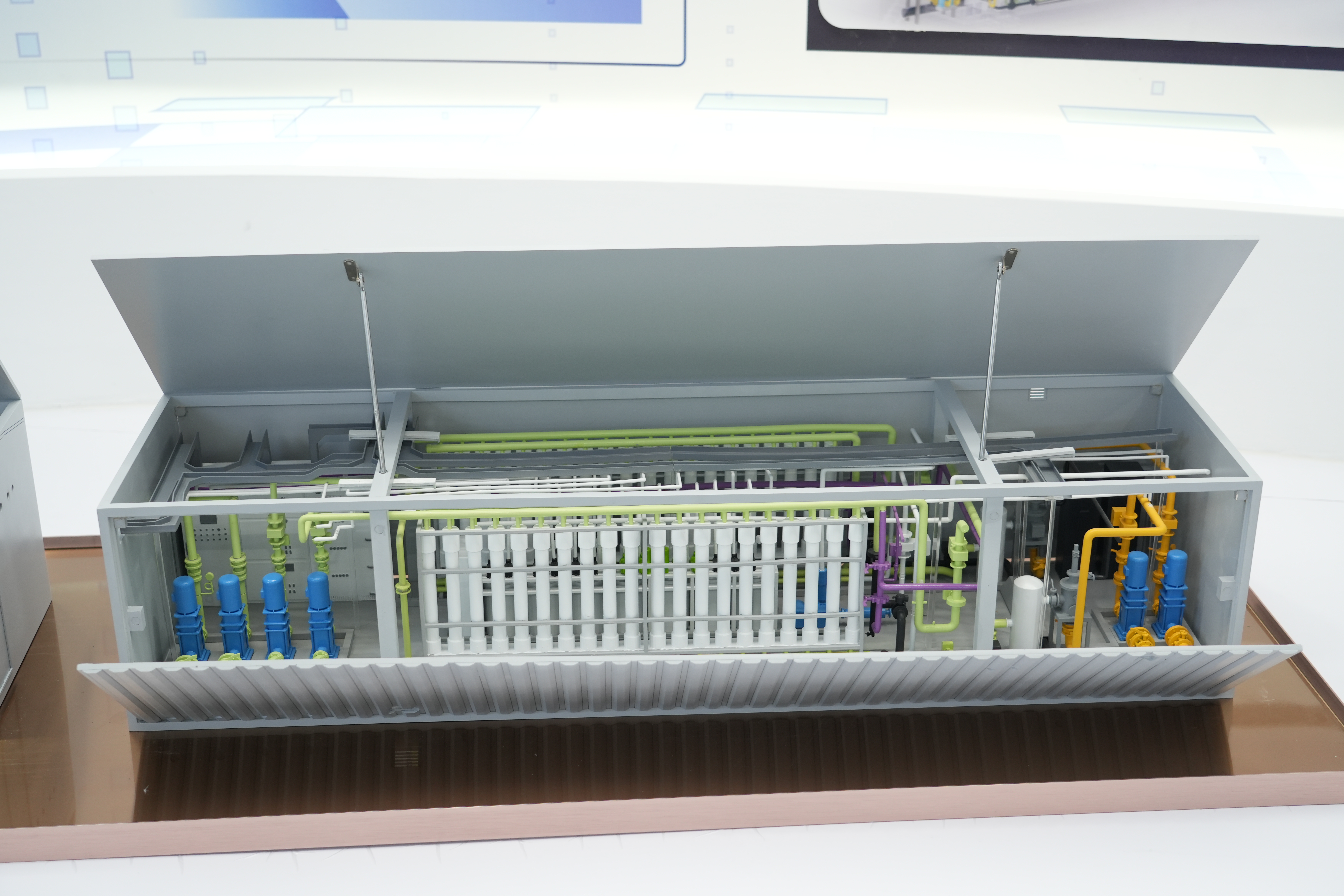
To accurately assess the physical value of this technology, you must understand its underlying fluid dynamics. An RO system operates fundamentally differently than standard gravity filters. It physically separates water molecules from dissolved contaminants under intense pressure.
The entire system relies on forcing water through a specialized semi-permeable membrane. This membrane consists of tightly wound layers of thin-film composite (TFC) material. It features microscopic pores capable of filtering particles as small as 0.0001 microns. To put this into perspective, a human red blood cell is roughly 5 microns wide, and most bacteria measure around 0.2 microns. The membrane easily blocks these larger elements.
As water pressure (typically between 40 and 60 PSI) pushes liquid against this barrier, the system divides the flow into two separate streams. The purified output, scientifically termed "permeate," pushes through the membrane layers and travels toward tank or dedicated faucet. The remaining liquid cannot pass through. This rejected water, carrying the concentrated heavy metals, salts, and dissolved solids, becomes the "brine" or "concentrate." This brine continuously washes across the surface of the membrane, preventing mineral buildup before flowing directly down your household drain.
Reverse osmosis membranes provide exceptional purification, but they are incredibly fragile. Thin-film composite membranes are highly susceptible to immediate chemical destruction from municipal chlorine. Furthermore, they cannot independently capture all Volatile Organic Compounds (VOCs) or specific agricultural pesticides. Because of these physical limitations, a standalone membrane will fail in a matter of weeks.
Manufacturers design these units as multi-stage ecosystems. Each filter supports and protects the next, ensuring maximum longevity for the expensive core membrane. We can break down the anatomy of a standard 5-stage setup to illustrate this protective sequence.
| Filtration Stage | Primary Function | Contaminants Removed | Replacement Frequency |
Stage 1: Sediment Filter | Physical barrier to protect subsequent carbon blocks from clogging. | Rust, sand, silt, dirt, and pipe scale (5-micron level). | 6 to 12 months |
Stage 2: Carbon Pre-Filter | Chemical neutralization to protect the core membrane from oxidation. | Chlorine, chloramines, foul tastes, and basic odors. | 6 to 12 months |
Stage 3: RO Membrane | The primary molecular barrier forcing pure water separation. | Lead, arsenic, PFAS, nitrates, fluoride, dissolved salts. | 12 to 24 months |
Stage 4: Wastewater Rejection | Continuous flushing mechanism to prevent scale buildup. | Redirects concentrated brine directly to the drain line. | N/A (Continuous operation) |
Stage 5: Carbon Post-Filter | Final polish. | Residual tank odors and remaining dissolved gases. | 12 months |
Owners invest heavily in reverse osmosis primarily for its aggressive defensive capabilities. When municipal water quality fluctuates due to infrastructure failures or well water contains invisible hazards, this technology offers rigorous, evidence-based protection.
According to environmental health data, standard filters leave dangerous chemicals behind, merely masking the taste of poor-quality water. Reverse osmosis provides a verified physical barrier against high-risk toxins. It effectively removes nitrates, which pose severe developmental risks to infants, and perchlorate, a chemical known to disrupt thyroid function.
Furthermore, it is one of the few consumer-level technologies verified by the EPA to intercept lead and long-chain PFAS ("forever chemicals"). By achieving up to a 99% reduction in Total Dissolved Solids (TDS), its efficacy outclasses standard refrigerator and faucet-mounted carbon filters by an enormous margin.
| High-Risk Contaminant | Health Impact Profile | Standard Carbon Filter Removal % | RO Membrane Removal % |
Lead | Neurological damage, developmental delays in children. | Variable (Requires specific certification) | 98% - 99% |
PFAS (Forever Chemicals) | Immune suppression, increased cancer risks. | Low to Moderate (Often fails on short-chain) | 95% - 99% |
Arsenic (V) | Skin damage, circulatory issues, cancer risk. | Virtually 0% | 97% - 99% |
Nitrates | "Blue baby syndrome" in infants, oxygen deprivation. | 0% | 90% - 95% |
For specific demographic groups, controlling water intake variables is a strict medical necessity rather than a preference. Understanding these applications helps justify the initial purchase cost.
Low-Sodium Compliance: Utilizing traditional ion-exchange water softeners inadvertently add sodium to their tap water to remove hard minerals. Reverse osmosis effectively extracts this added sodium. This makes the drinking water perfectly compliant for individuals managing hypertension, renal issues, or strict cardiovascular diets.
Pathogen Defense: While municipal water undergoes chemical treatment for bacteria, cysts like Cryptosporidium and Giardia possess hard outer shells that occasionally survive chlorination. RO membranes provide a vital secondary safeguard. They capture these microscopic threats physically.
Beyond health defense, pure water fundamentally alters daily domestic routines and protects valuable assets from degradation.
Culinary Excellence: Eliminating chemical interference allows the true flavor profiles of food to emerge. It mimics commercial kitchen standards, maximizing the extraction yields of specialty coffee, teas, and complex cooking broths.
Specialized Hobbies: Enthusiasts rely on zero-TDS baseline water. It serves as a mandatory starting point for maintaining fragile marine aquariums and reef tanks, where tap water heavy metals would kill sensitive corals. Similarly, using pure water in ultrasonic humidifiers completely prevents the dispersion of fine white mineral dust across your furniture, lungs, and electronics.
Appliance Asset Protection: Hard water inevitably destroys internal heating elements. Supplying premium espresso machines, steam ovens, and dedicated ice makers with purified water eliminates scale buildup, saving thousands in premature appliance replacement and descaling maintenance.
Financial & Environmental ROI: Installing a localized system permanently breaks the expensive cycle of purchasing single-use bottled water. You significantly lower long-term grocery costs while halting daily ingestion of microplastics from degraded plastic bottles.
Despite its superior purification metrics, reverse osmosis demands specific technical compromises. Ignoring these operational realities leads to intense frustration, poor flow rates, and unexpected ongoing expenses.
The most heavily scrutinized aspect of this technology is water waste. You must acknowledge the EPA WaterSense data: traditional Point-of-Use systems waste up to 5 (and sometimes 10) gallons of water for every single gallon they purify. The brine flushing process is mechanically necessary, but it strains municipal water supplies and increases your monthly utility bill.
To mitigate this environmental and financial impact, homeowners must prioritize mechanical efficiency. Upgrading to highly efficient models utilizing internal permeate pumps or EPA WaterSense-certified units can drop this ratio down to 1:1 or 2.3:1. This single upgrade can save up to 47,000 gallons over the system's lifespan.
The core membrane does not distinguish between toxic heavy metals and healthy trace minerals. It indiscriminately strips calcium and magnesium from the source water, rendering the output slightly acidic.
Many multi-level marketing companies sell expensive alkaline filters by framing this demineralization as a severe health threat. This is a mineral myth. Broad medical consensus confirms that humans absorb the vast majority of their vital minerals from solid foods like leafy vegetables, grains, and dairy, not from hydration.
Similarly, the fluoride debate causes hesitation for parents. While RO removes municipal fluoride, top dental authorities agree that direct topical application via fluoride toothpaste is vastly superior to systemic ingestion through drinking water for cavity prevention. If the acidic taste bothers you, simply purchase a system with a stage-5 remineralization cartridge to introduce calcium back into the permeate.
Traditional production speed is remarkably slow. The membrane forces water through drop by drop, often producing only 50 Gallons Per Day (GPD). This slow trickle requires a standard 3-gallon under-sink pressurized tank to store the water for immediate use.
People frustrated by slow flow rates must look toward modern, high-capacity "Tankless" or "Smart" systems. These units feature massive internal membranes and integrated booster pumps. They push 400 to 800+ GPD, provide continuous on-demand flow, and often feature real-time TDS monitoring screens. However, they carry a higher initial price tag and require a dedicated under-sink electrical outlet to power their internal motors.
A purification system is a living ecosystem that requires strict hygiene. Mandatory replacement cycles are not optional suggestions. If you buy the equipment, you commit to the maintenance schedule. Carbon and sediment pre-filters typically demand replacement every 6 to 12 months. The core semi-permeable membrane must be swapped every 1 to 2 years, heavily dependent on your incoming water's hardness levels.
Ignoring these filter schedules guarantees severe consequences. Depleted carbon filters allow chlorine to reach the membrane, destroying it in days. Neglected sediment filters cause bacterial colonization within the plastic housings, ultimately creating irreversible fouling of the central membrane and potentially contaminating your drinking water.
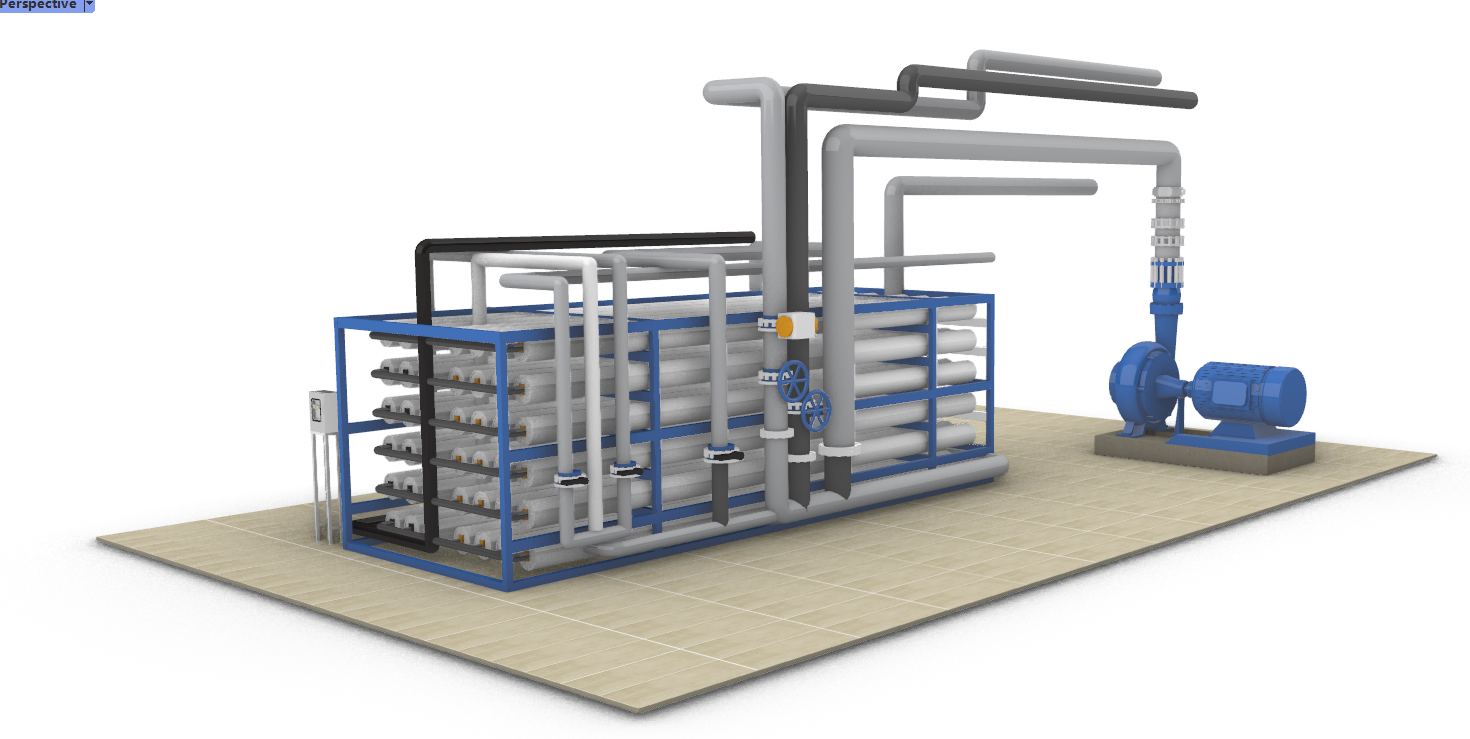
Selecting the scale of your purification footprint is the most critical engineering decision you will make. While Point-of-Use systems filter water strictly at a designated tap, setups attempt to purify the entire residential plumbing grid.
Installing an under-sink system represents the safest, most practical application for 95% of households. These localized units focus high-grade purification exactly where it matters most: drinking and cooking.
Pros: They are highly cost-effective, typically ranging from $150 to $500. They require minimal space, bypass severe infrastructure risks, and waste a fraction of the water compared to larger systems.
Cons: They do not protect your whole-building plumbing from scale, nor do they remove volatile chemicals from your shower water, which can be absorbed through the lungs or skin during hot showers.
Scaling this technology to serve every supplies in a building introduces massive engineering hurdles and extreme financial costs. Most buyers underestimate the required footprint.
The Extreme TCO: A full system, combined with mandatory professional installation, ranges from $3,000 to over $8,000. This baseline does not account for the recurring, expensive maintenance of heavy-duty pre-filters, high-pressure pumps, and massive membrane replacements.
The Engineering Hurdles: Because water production is inherently slow, a whole-building setup cannot provide water on demand. It demands a massive 200 to 500-gallon atmospheric storage tank installed. It also requires secondary, commercial-grade booster pumps to repressurize the stored water to meet the simultaneous flow demands of multiple rooms.
The Infrastructure Threat (The pH Crisis): Highly purified, un-remineralized water is technically "hungry" or aggressive. If pumped directly into older copper plumbing without passing through a calcite acid neutralizer first, the low-pH water will aggressively leach copper and lead directly from your pipes. This effectively destroys your plumbing from the inside out, causing pinhole leaks while simultaneously contaminating your water with heavy metals.
The Bacterial Hazard: Municipal water contains chlorine specifically to keep pipes sterile. A whole-building system strips all chlorine out at the point of entry. This creates a highly vulnerable, unchlorinated environment inside your home's internal walls. It acts as a breeding ground for bacterial biofilms between the massive storage tank and your faucets.
Whole-building applications should only be considered for severe well-water contamination scenarios. They require consultation with water engineers and must include robust pre-treatment (iron/sulfur removal) and post-treatment (acid neutralizers and UV light sterilization) to remain safe.
| Feature Matrix | Point-of-Use (Under-Sink) | Whole-House (Point-of-Entry) |
Initial Hardware Cost | $150 - $600 | $3,000 - $10,000+ |
Space Required | Half of an under-sink cabinet. | Large section of space or dedicated utility room. |
Installation Complexity | DIY friendly (1 to 2 hours). | Requires professional licensed plumber. |
Plumbing Risk Factor | Zero risk to pipes. | Extreme risk (Requires acid neutralizers). |
Avoid impulse purchases by systematically evaluating your existing infrastructure against the technical requirements of the equipment. Review this framework before adding a unit to your cart.
Baseline Diagnostics: Have you conducted an independent, certified lab water test? Never purchase heavy-duty filtration without knowing your specific contaminant profile. Chain-of-custody lab tests reveal exactly what you need to filter.
Pre-Treatment Compatibility: For well-water users who already utilize a water softener: are you prepared for potential "salt bleed-through" (e.g., salty-tasting ice cubes) if the chosen membrane isn't rated for high-sodium input?
Efficiency Certification: Does the prospective unit carry an EPA WaterSense label, or explicitly guarantee a wastewater ratio of 1:1 or better? This impacts long-term utility costs.
Pressure Requirements: Does plumbing maintain the minimum 40-50 PSI required to force water through the membrane, or will you need to purchase a supplemental permeate pump to generate adequate hydrostatic pressure?
Space & Power: Do you have the requisite physical clearance beneath your sink (typically 15x15 inches) for a pressurized tank, or an available electrical 110v outlet to run a modern tankless unit?
Use the following table to quickly determine if this specific purification method aligns with reality.
| Decision Assessment | Profile & Environmental Indicators | Recommended Action |
YES (Highly Recommended) | You live in an area with high agricultural runoff (nitrates), high TDS, documented heavy metals (lead/arsenic), or you require zero-TDS water for brewing specialty coffee and feeding marine aquariums. | Invest in an EPA-certified Point-of-Use system. Prioritize tankless models if high daily volume and fast flow rates are needed. |
NO (Not Recommended) | Your municipal water tests excellently, you only wish to remove minor chlorine tastes, you are heavily restricted on under-sink space, or you strictly prioritize zero-wastewater conservation solutions. | Opt for a multi-stage under-sink activated carbon filter or a high-capacity filtration block. |
If the space requirements, demineralization, or wastewater realities rule out this technology for your home, several highly capable alternatives exist to treat specific water issues.
Activated Carbon / Catalytic Carbon Filters: This is the best solution for clean municipal water where the only complaints are chlorine taste, sulfur odors, and basic VOCs. Carbon filtering creates zero wastewater, retains healthy minerals, operates perfectly on standard water pressure without electricity, and costs significantly less to maintain.
Ultrafiltration (UF): UF systems use hollow-fiber technology to physically block bacteria, viruses, and larger sediment (down to 0.02 microns) without removing dissolved healthy minerals. Like carbon, UF generates zero wastewater and operates efficiently on moderate line pressure.
Ceramic Filters & UV Purification: Ceramic filters offer reusable, micro-pore sediment and bacteria blocking. When paired with Ultraviolet (UV) systems, they provide chemical-free sterilization of living pathogens. UV is strictly for biological threats (altering the DNA of viruses) and does not remove heavy metals or chemical contaminants.
Distillation: Water distillers boil water into steam and condense it back into liquid. Distillation matches membrane purity effectively, removing virtually all TDS. However, it is incredibly slow (taking hours to make one gallon), consumes massive amounts of electricity, and yields flat-tasting water because it lacks the final carbon polishing stage.
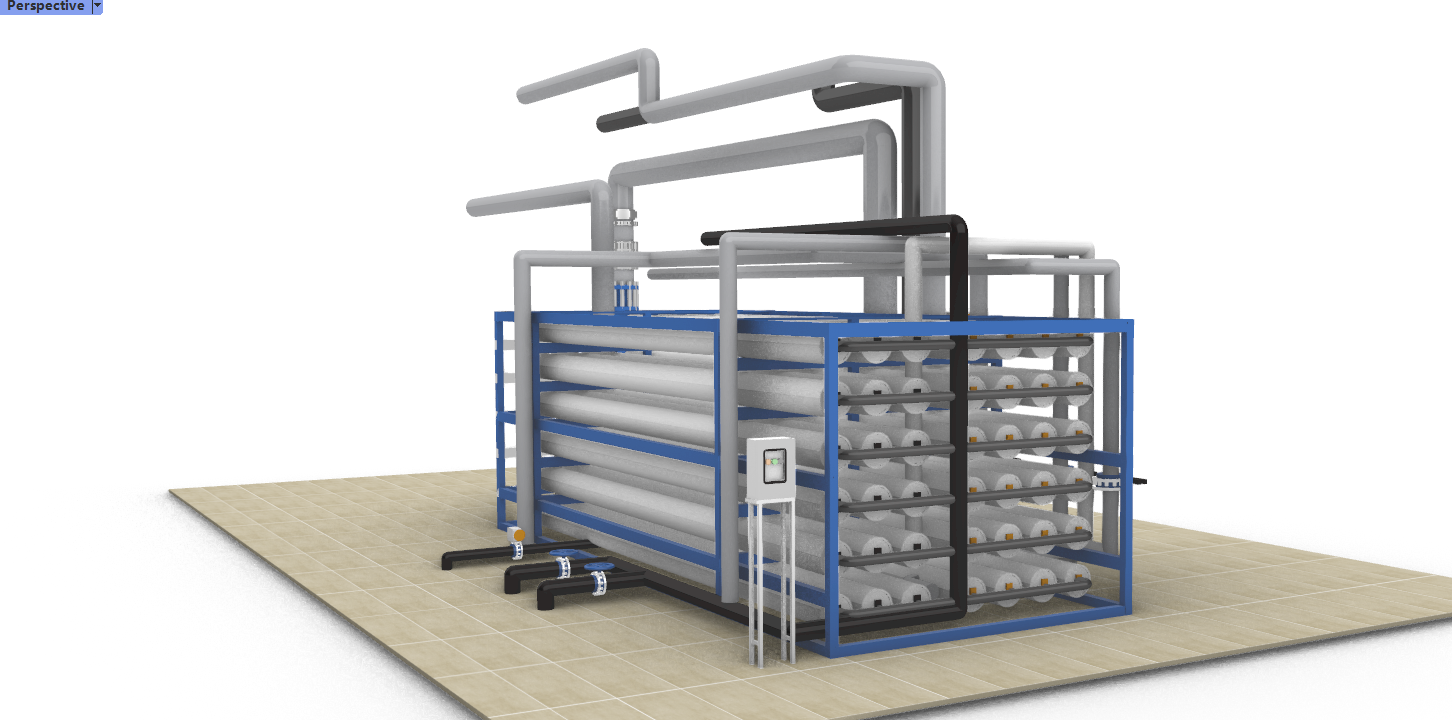
Industrial and Commercial Alternatives: For massive manufacturing plants, desalination facilities, or large-scale municipal wastewater treatment, consumer-grade technology is insufficient. These environments deploy a specialized industrial reverse osmosis system. These massive arrays operate at vastly different high-pressure parameters, utilize advanced recovery rate software, and require heavy chemical pre-treatment far beyond residential scope to prevent rapid membrane fouling.
Order an independent, EPA-certified water testing kit to establish a factual baseline of contaminant profile before buying any hardware.
Physically measure your under-sink dimensions and check for an available electrical outlet to determine if you can support a tankless system or if you require a traditional pressurized tank.
Calculate the comprehensive 3-year Total Cost of Ownership (TCO), adding the base unit price to the cost of three years of replacement pre-filters and one membrane replacement.
Consult a local plumbing engineer if you rely on well water to confirm whether your existing softeners and iron filters provide adequate pre-treatment for advanced membrane systems.
A: Older units wasted up to 5 gallons per purified gallon. Modern, efficient models and WaterSense-certified units achieve a 1:1 ratio, saving thousands of gallons annually. Wastewater can also be repurposed for household cleaning or irrigation.
A: Yes. The removal of minerals (demineralization) is easily offset by a standard diet of vegetables and dairy. Both the CDC and EWG support its safety for daily hydration.
A: Yes. Reverse osmosis is one of the few EPA-recognized technologies capable of filtering out both long and short-chain PFAS from drinking water.
A: RO water is incredibly pure and slightly acidic ("aggressive water"). Without an acid neutralizer, it will slowly dissolve and leach copper and lead out of your home's internal plumbing infrastructure.
A: Both achieve exceptional purity. However, distillation is incredibly slow, consumes high amounts of electricity, and tastes "flat." RO is more energy-efficient and uses a final carbon polish to restore a crisp taste.
A: Carbon and sediment pre-filters typically require replacement every 6-12 months. The core RO membrane usually lasts 1 to 2 years, depending on input water hardness and usage.
A: No. High levels of iron, sulfur, or extreme hardness will immediately foul and destroy an RO membrane. Pre-treatment (like a water softener or iron filter) is an absolute necessity.


