


Views: 0 Author: Site Editor Publish Time: 2026-05-16 Origin: Site


In large-scale industrial heating and cooling networks, unmanaged pressure fluctuations and dissolved gases silently degrade thermal efficiency, trigger premature equipment failure, and inflate carbon footprints. Relying on outdated manual refilling or passive expansion tanks creates a dangerous illusion of system stability. Uncontrolled dissolved oxygen (O2) causes rapid aerobic corrosion. Nitrogen (N2) accumulation creates severe hydraulic imbalance and microscopic thermal barriers. Furthermore, blind refilling directly from municipal lines introduces hard water, disrupts system pH, and threatens municipal networks with hazardous backflow contamination. Upgrading to an active, integrated solution replaces erratic manual intervention with absolute precision control. This guide outlines the engineering principles, standard compliances like VDI 2035, and evaluation frameworks necessary to specify and procure the correct Automatic degassing constant pressure water refill device for complex industrial loops. Selecting the proper Intelligent pressurization degasser ensures long-term operational resilience.
Active vs. Passive: Modern Automatic make-up degassing units replace large, inefficient roof tanks, reducing spatial footprint and initial Capex by 40-60% while providing continuous, active pressure monitoring and IoT-enabled leakage protection.
Physical Reality of Degassing: Utilizing Henry’s Law, vacuum degassing lowers the boiling point of water, forcing dissolved gases to separate through mechanical centrifugal action—requiring zero chemical additives, achieving >99% degassing efficiency, and drastically shortening initial system commissioning time.
Typology Selection is Critical: Procurement relies heavily on matching system architecture—selecting atmospheric types for open loops, pressurized types for closed-loop chilled/heated water, and differentiating ambient vacuum methods from thermal degassing in high-temperature boiler applications.
Verifiable ROI: Documented efficiency gains (e.g., up to 10.6% in underfloor heating systems per TÜV data) are achieved by eliminating the N2 gas insulation effect, directly lowering long-term operating costs and aligning with corporate decarbonization goals.
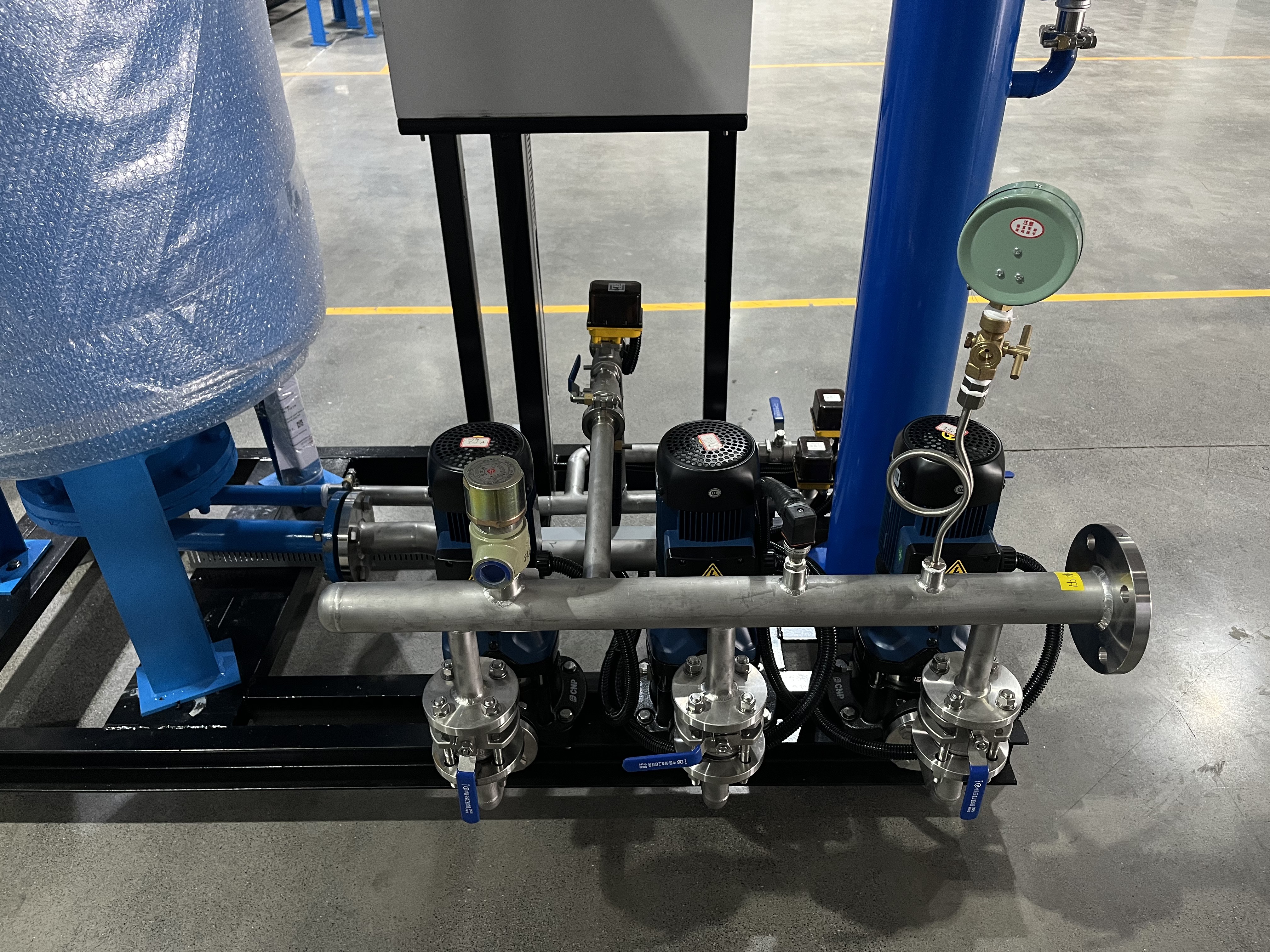
Facility managers rarely detect pressure failures through primary alarms. They usually discover them through secondary mechanical symptoms. Frequent requirements for manual water top-ups strongly indicate hidden micro-leaks across the network. Distinct hissing noises at high-point valves point to severe air entrapment. Unexplained overflow valve discharges suggest systemic over-pressurization. These symptoms share a common root cause: inadequate baseline pressure management.
Operating under the assumption that all water is equal creates catastrophic long-term damage. Blind refilling directly from a municipal supply introduces massive concentrations of raw oxygen, calcium bicarbonate, and magnesium sulfate. This unmonitored injection spikes system conductivity. The introduction of these minerals causes aggressive pH instability. When raw municipal water hits a 90°C heat exchanger, the calcium bicarbonate instantly precipitates into solid calcium carbonate scale. A mere 1mm layer of this scale reduces localized heat transfer efficiency by nearly 9%. Furthermore, bypassing safety compliance invites severe regulatory penalties. Direct municipal connections demand certified backflow prevention to stop chemically treated, stagnant system water from reversing into public drinking supplies during main line pressure drops.
Modern engineering standards dictate active, continuous management. A Digital constant pressure skid automates professional water quality control by executing a strict four-step operational protocol:
Continuous Water Quality Monitoring: The system utilizes integrated dual-phase instruments to track baseline pH and electrical conductivity levels in real-time. This prevents out-of-spec water from ever entering the primary loop.
Scaled IoT Intervention: Cloud-connected controllers provide automated leakage protection. If flow sensors detect an abnormal, continuous demand for make-up water, indicating a catastrophic pipe burst, the module immediately halts the supply pump and transmits remote emergency alerts.
Regulatory Adherence: Operations are forced to remain strictly within the compliance parameters set by German VDI 2035 guidelines. These rules restrict electrical conductivity to low-salt levels (typically < 100 µS/cm) and mandate pH levels between 8.2 and 10.0 for steel systems.
Digital Logging: The programmable logic controller (PLC) automatically generates irrefutable make-up volume and water quality logs. These immutable records serve as primary proof of proper maintenance during chiller or boiler warranty claims.
Dissolved gases inflict silent, continuous degradation on thermal infrastructure. Micro-oxygen initiates aggressive aerobic corrosion on unprotected carbon steel components. This chemical reaction turns solid iron pipework into circulating hematite sludge. It also deposits a highly insulating rust layer across sensitive heat exchanger plates, severely dropping overall transfer efficiency.
Nitrogen presents an entirely different physical threat. While chemically inert, nitrogen accumulates as stubborn microscopic bubbles. When these bubbles aggregate in high points or low-velocity zones, they form robust gas blocks. This induces severe hydraulic imbalance, forcing circulation pumps to overwork while failing to deliver target temperatures.
| Substance | Thermal Conductivity (W/m·K) | Operational Impact on Thermal Systems |
System Water | 0.600 | Baseline heat transfer medium for highly efficient operations. |
Nitrogen Gas (N2) | 0.024 | Acts as a severe thermal insulator. 25x less conductive than water. |
Oxygen Gas (O2) | 0.026 | Induces rapid aerobic corrosion. Converts steel to insulating sludge. |
Calcium Scale | 0.800 - 2.000 | Physically impedes heat exchange across thin metal plates. |
Standard expansion vessels represent passive limitation. These basic dual-chamber units feature a flexible diaphragm separating system liquid from a pre-charged gas cushion. They rely solely on the static compressibility of that gas to absorb thermal volume changes. Once the static pressure limits are exceeded, they offer zero active compensation. This renders them appropriate only for extremely small, thermally stable networks.
An Integrated expansion degassing unit actively dictates system conditions. It continuously monitors pipeline pressure drops via ultra-high-accuracy transducers. Instead of simply reacting to volume changes, it aggressively intervenes. It degasses the make-up water in a specialized vacuum chamber before precisely injecting it. This ensures the network maintains exact physical and hydraulic parameters regardless of fluctuating facility thermal loads.
Active systems manage network volume through a predictable, highly controlled mechanical loop. This advanced loop maintains system stability without any human intervention.
Initial Fill & Pressurize: The primary multistage centrifugal pump injects municipal make-up water into the system. Excess volume is pushed into a heavy-duty carbon-steel tank lined with an industrial butyl rubber diaphragm until the strict design pressure limit is achieved.
Feedback & Stabilization: High-resolution PLC sensors detect exact pressure limits. As the internal water chamber expands, it compresses the surrounding gas chamber. This mechanical feedback signals the controller to halt the variable frequency drive (VFD) pump at the exact micro-bar setpoint.
Relief: Should sudden thermal expansion cause overpressure beyond safe operating limits, calibrated proportional safety relief valves smoothly bleed the excess fluid back into the unpressurized reserve tank.
Reset & Compensate: When system pressure drops due to normal cooling contraction or microscopic leaks, the pressurized gas forces the stored water inside the heavy diaphragm automatically back into the primary pipe network.
The fundamental capability of this hardware relies on the predictable physics of gas solubility. According to Henry’s Law, the amount of dissolved gas in a liquid is directly proportional to its partial pressure above the liquid. By creating a severe, localized pressure drop within a sealed vacuum tube, the device effectively lowers the boiling point of the incoming water. This sudden vacuum allows the water to vaporize slightly at normal ambient room temperatures. This phase shift forces dissolved oxygen and nitrogen to break their molecular bonds and physically separate from the fluid.
Following this separation, centrifugal expulsion dictates the next phase. The specialized pump’s impeller generates immense centrifugal force inside the degassing chamber. The heavier liquid is violently thrown against the outer walls. The lighter, separated gas aggregates in the center vortex. This concentrated gas is then forcefully expelled vertically through a top-mounted, high-capacity air vent.
This exact physical separation mechanism relies entirely on zero chemical additives. It remains an industry-standard process utilized in hyper-critical environments requiring absolute fluid purity. Engineers trust this exact mechanical principle in medical hemodialysis machines and commercial food-grade de-foaming applications.
Because the unit employs a 100% mechanical and physical separation process, it poses absolutely no risk to existing Water Treatment protocols. The raw vacuum forces will never neutralize, oxidize, or break down synthetic anti-corrosion inhibitors, organic biocides, or specific anti-scaling chemical additives currently circulating in the loop.
Furthermore, modern commercial units equipped with Modbus RTU or BACnet communication protocols interface directly with automated chemical dosing systems. This creates a highly unified, closed-loop network. The system intelligently cycles through a synchronized monitor-dose-degas routine. This maximizes the operational lifespan of the expensive chemical agents by completely eliminating the oxidative raw oxygen that normally degrades them.
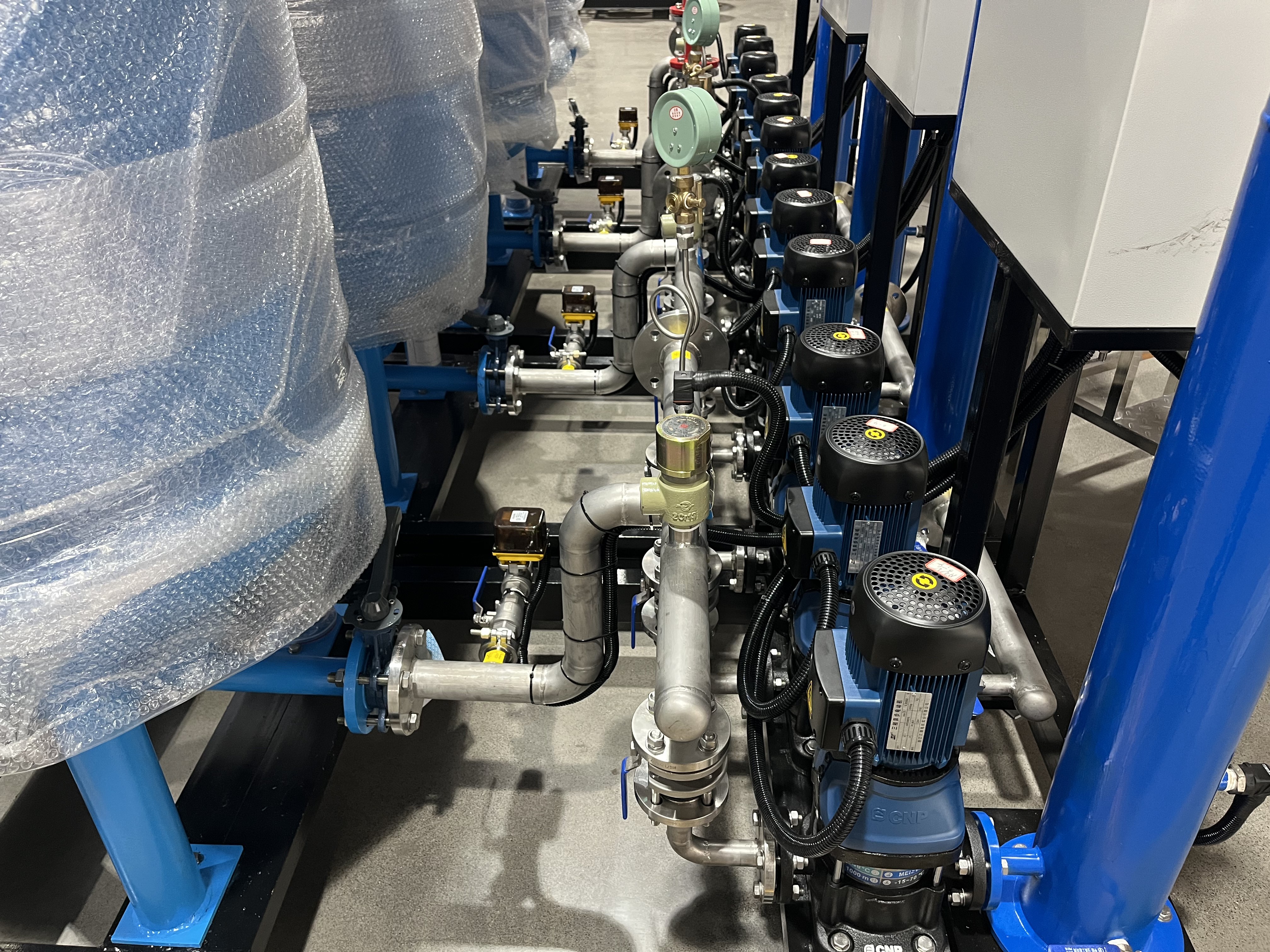
Selecting the correct unit depends entirely on the architectural layout of the thermal system. Procurement errors here lead to immediate hydraulic failure and warranty voidance.
| System Typology | Primary Application | Engineering Objective | Operational Characteristics |
Atmospheric Type | Open cooling water towers, unsealed reservoir loops. | Maintain stable supply volume and baseline hydraulic stabilization. | Operates without maintaining high baseline pressure. Focuses heavily on bulk volume management rather than microscopic gas extraction. |
Pressurized (Closed) Type | Sealed Heating System networks, chilled water, glycol mixes. | Precision pressure retention and >99% micro-gas removal. | Mandatory for sealed environments. Executes rigorous vacuum cycles to eliminate O2/N2 and prevent precise pressure decay across large vertical building drops. |
Industrial facility managers must clearly differentiate between ambient vacuum methods and high-temperature thermal processing.
An ambient Compact degassing make-up system remains the gold standard for commercial HVAC networks. It uses deep negative pressure to manipulate the boiling point at normal building temperatures, typically operating around 10°C to 40°C. Conversely, massive industrial steam boiler networks utilize High-Temperature Thermal Degassing. This extreme method uses counter-current live steam injection to physically boil off gases from the feedwater at temperatures exceeding 105°C.
In thermal steam systems, the heavy-duty feedwater tank performs a necessary dual role. It acts as a massive peak load buffer and serves as a secondary deaeration reaction vessel where continuous boiling purges residual gases. Commercial HVAC and standard process cooling networks simply do not generate the extreme temperatures required for thermal deaeration. This makes vacuum technology the only viable, energy-efficient choice for micro-bubble removal.
Procurement teams cannot guess system volume based on generalized building square footage or estimated chiller tonnage. Specifying an undersized unit guarantees continuous safety valve discharge and flooding. Oversizing wastes capital budget and valuable mechanical room floor space.
Engineers must utilize a strict mathematical formula. The minimum acceptable expansion unit size is calculated using the following equation: Ve = Vs × e + Vv.
Vs (Total System Water Volume): The absolute total liters of fluid in all pipes, chillers, boilers, and terminal units.
e (Expansion Coefficient): Derived directly from the maximum temperature delta (ΔT) between the static cold filling pressure and the peak operating temperature of the fluid.
Vv (Water Reserve): A mandatory standardized fluid buffer added to the calculation to handle expected micro-leakage over a 12-month continuous operating period.
For example, a 10,000L heating network operating at 80°C with a 10°C fill temperature utilizes an expansion coefficient of roughly 0.028. The core expansion volume equals 280L. Adding a standard 50L reserve dictates a minimum procurement size of a 330L integrated unit.
When reviewing vendor submittals, specific industrial-grade parameters separate highly reliable hardware from cheap commercial-grade compromises.
Pressure Handling & Accuracy: Heavy-duty models must easily accommodate system pressure ranges of 0.1 to 2.5Mpa. The control accuracy must hold strictly at ±0.01Mpa. This provides operational precision ten times greater than traditional standalone pressure tanks.
Metallurgy & Materials: The main degassing vacuum chamber must be constructed from 304 stainless steel with a minimum design tolerance of 1.6 MPa. For highly corrosive environments, uninhibited glycol loops, or food-grade applications, the specification must upgrade to 316L stainless steel. The internal diaphragm must utilize durable, industrial-grade butyl rubber. Butyl prevents gas permeation significantly better than standard EPDM rubber.
Control Systems: The main electrical control cabinet requires an IP54 minimum protection rating against industrial dust and low-pressure water ingress. It must feature a high-visibility PLC/HMI touchscreen interface and incorporate variable frequency drive (VFD) support to prevent pump motor burnout during rapid cycle demands.
Modernizing pressure management directly impacts initial facility construction costs. Eliminating massive rooftop water towers, heavy structural reinforcements, and decentralized air separators saves valuable commercial real estate. This consolidated approach routinely reduces structural dead-load requirements and lowers initial mechanical Capex by 40% to 60% compared to traditional distributed passive systems.
Furthermore, because the internal vacuum achieves a >99% degassing efficiency, it drastically slashes billable contractor labor hours during the initial system fill phase. Technicians no longer need to spend weeks manually bleeding trapped air from hundreds of high-point pipeline exhaust valves across multiple building floors.
The financial return on an active degassing unit remains continuous and measurable. By removing microscopic nitrogen gas barriers from heat transfer surfaces, facilities achieve highly verifiable energy reductions. Established validation data from independent testing bodies like TÜV demonstrate distinct performance upgrades across different terminal units.
Real-world engineering benchmarks indicate up to a 10.6% efficiency increase for large underfloor heating networks, an approximate 6.5% gain for standard radiator configurations, and a 7.4% overall efficiency bump for primary cooling machines. These direct energy savings lower monthly utility overhead immediately. They also tie directly into corporate carbon neutrality mandates, providing easily auditable decarbonization metrics for ESG reporting.
The absolute prevention of aerobic corrosion and pump cavitation fundamentally alters the financial depreciation schedule of the facility. Micro-bubbles entering a centrifugal pump volute violently collapse, sending micro-shockwaves that severely pit bronze or steel impellers. By stopping this cavitation and halting the sludge formation that clogs motorized control valves, the degassing unit translates directly into deferred capital replacement costs for the entire plant.
Installation crews frequently bottleneck their own equipment due to poor piping practices. Drawing a direct parallel to HVAC refrigerant evacuation: using narrow hoses, failing to remove temporary core valves, or utilizing restrictive isolation ball valves severely throttles vacuum flow. This restricts the pump's capability to pull a deep vacuum in the chamber. It leaves dangerous dissolved gases trapped deep within the water system despite the mechanical equipment running at full electrical power.
Maintenance teams must never rely on physical feel or temporarily stable analog gauges to determine if a system is fully degassed. Micro-bubbles release at an incredibly slow rate from pipeline blind spots, porous scale deposits, and low-flow sludge traps. The digital pump controller must be allowed to run its full mathematically scheduled cycle. Interrupting the cycle prematurely prevents the localized boiling point from dropping completely, leaving the system highly susceptible to continued oxidation.
The high-velocity vacuum orifices integral to the separation process are highly susceptible to debris clogging, especially during the first year of operation when loose pipe scale circulates through the new network. Regular visual inspection of the primary Y-strainer and the internal degassing tank floor is a non-negotiable maintenance requirement. A restricted orifice immediately compromises the centrifugal separation force, rendering the expensive machine little more than an oversized standard transfer pump.
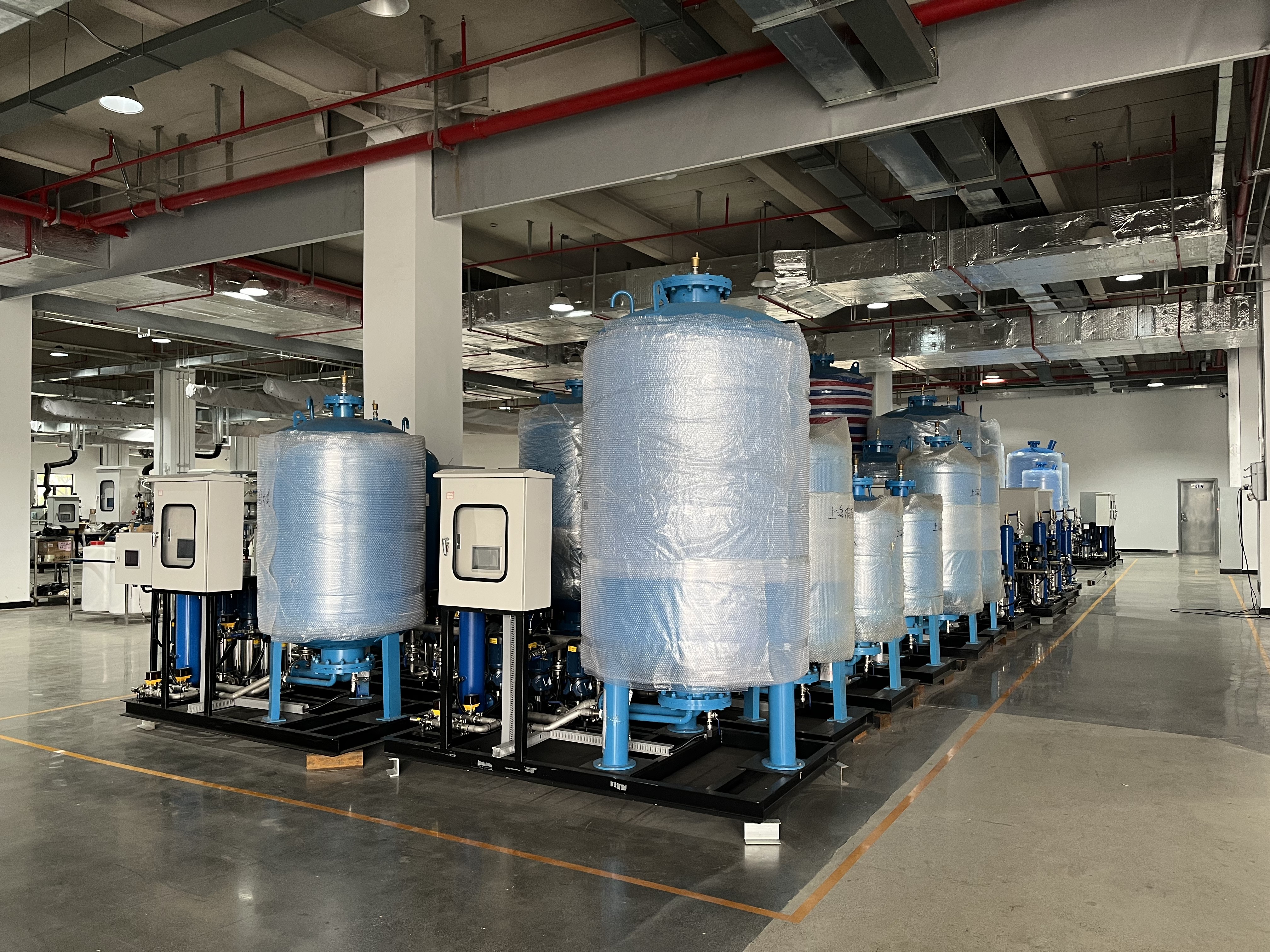
Upgrading to a sophisticated automated pressure management system is a mandatory requirement for modern facility resilience. It stops mechanical degradation, prevents toxic cross-contamination, and eliminates continuous thermal energy waste caused by entrained gases.
To move forward effectively, facility managers and mechanical engineers must execute the following steps:
Audit your current total system water volume and accurately record the baseline static pressure at the lowest elevation point in the facility.
Identify all existing points of municipal water cross-connection to aggressively verify absolute backflow prevention compliance.
Consult directly with industrial manufacturers to run precise, software-driven expansion calculation models before requesting any formal procurement quotes.
Verify that your existing chemical treatment vendor fully supports integrated mechanical vacuum degassing processes.
A: No. While it mechanically removes >99% of dissolved oxygen to prevent aerobic corrosion and nitrogen to stop airlocks, chemical treatments are still required for systemic pH balancing, biological algae control, and specific anti-scaling tasks. The two technologies work synergistically to ensure maximum component longevity.
A: In highly specialized applications, an Intelligent pressurization degasser maintains immediate, hyper-accurate readiness pressure in dedicated fire networks. This strict pressure regulation entirely prevents internal pipe rust and hard scale accumulation that could cause critical sprinkler heads or isolation valves to jam during an actual fire emergency.
A: Yes. By ensuring the make-up water supplied to industrial humidification modules is entirely free of dissolved gases, it effectively prevents destructive cavitation inside high-pressure misting pumps. It drastically reduces scale-induced blockages at the fine nozzle heads, ensuring consistent, precise moisture delivery.
A: Environmental monitoring passively tracks facility metrics and triggers alarms after a failure occurs. Conversely, a Digital constant pressure skid actively intervenes. It monitors micro-pressure drops, tracks water conductivity, and autonomously injects clean, degassed water to physically correct hydraulic anomalies while fully protecting against municipal backflow contamination.
A: You should inspect the primary diaphragm during standard annual HVAC maintenance. Modern automated systems equipped with IP54 PLCs digitally flag unusual pump cycling frequencies. This data serves as an immediate early warning alert for diaphragm wear or systemic micro-leaks long before absolute physical failure occurs.


