


Views: 0 Author: Site Editor Publish Time: 2026-05-17 Origin: Site


In closed-loop fluid networks, dissolved gases and pressure fluctuations drive cavitation, accelerated oxidation, and catastrophic pump failure. Unscheduled downtime and system degradation often stem from improperly specified or poorly maintained pressurization equipment. These failures cause massive inefficiencies in critical infrastructure ranging from commercial climate control to industrial fluid management. Relying on legacy manual degassers and static expansion tanks exposes systems to human error. Static tanks struggle with membrane degradation and inconsistent pressure limits. Manual venting simply cannot keep pace with continuous micro-bubble formation. Transitioning to an automated solution is required for modern infrastructural reliability. Mitigating these operational risks requires implementing an Automatic degassing constant pressure water refill device. This guide breaks down the technical prerequisites, installation realities, troubleshooting protocols, and lifecycle maintenance required to ensure reliable operation and a valid return on investment.
Site-Specific Calibration is Critical: Standardized factory settings rarely align with site-specific hydraulic demands; bespoke calibration of pressure bands and VFD controllers is non-negotiable for system stability.
Integration Dictates Longevity: Proper piping geometry and strategic placement within the fluid loop are required to maximize the efficiency of an integrated expansion degassing unit.
Proactive Maintenance Reduces TCO: Routine verification of sensors and vacuum degassing chambers, coupled with strict operator protocols, prevents micro-bubble accumulation and extends the network's lifespan.
Application Scalability: Whether deployed in a commercial air humidification setup, a specialized well water extraction system, or a high-demand firefighting system, exact sizing determines both immediate effectiveness and long-term energy consumption.
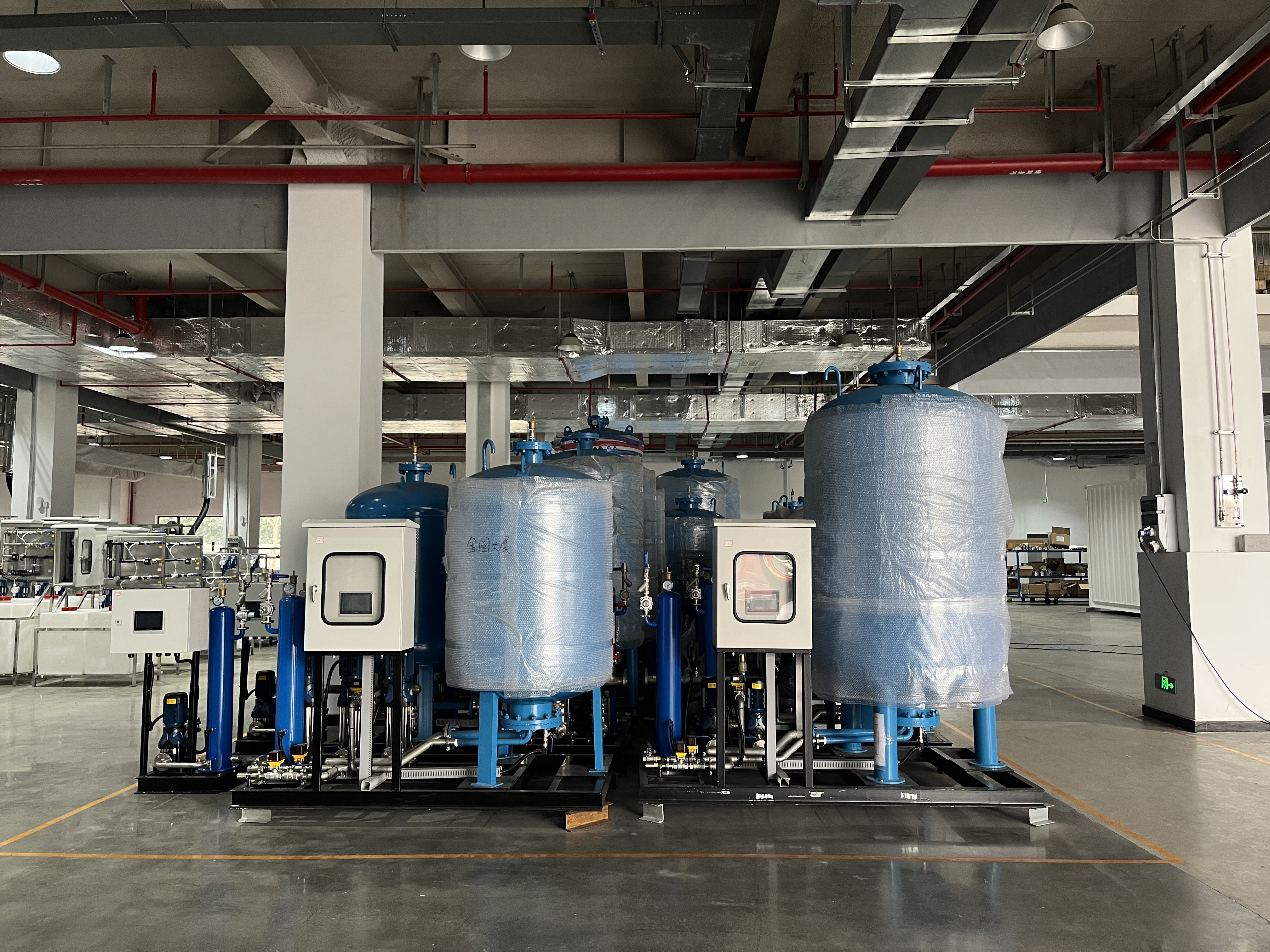
Successful deployment begins long before physical equipment arrives on site. A rigorous technical evaluation ensures the chosen equipment matches the specific hydraulic footprint of the building. Skipping this foundational evaluation often results in short-cycling pumps and inadequate gas removal. Mechanical engineers must define exact operational baselines to guarantee long-term performance. Every system possesses unique hydraulic resistance profiles and static height requirements. Evaluating these factors dictates the exact specification of your pressurization equipment.
You must establish baseline metrics for acceptable pressure variance before selecting components. Typically, a high-performance system maintains pressure within a narrow 0.2 bar differential. Maximum dissolved oxygen (DO) limits must also be defined to prevent internal pipe oxidation. Facility managers should target DO levels below 0.1 mg/L for optimal corrosion resistance. Calculate the required make-up water volume based on natural system losses. These specific metrics serve as the benchmark for system commissioning. They also provide measurable data points for future performance audits and maintenance routines.
Analyzing the intake source is a mandatory preliminary step for any installation. Systems feeding from municipal lines behave differently than raw well water systems. You must account for varying levels of dissolved gases, suspended sediments, and mineral hardness. Hard water rapidly scales the internal sensors and mechanical valves of the pressurization unit. Specifying pretreatment requirements protects the internal EPDM membranes of the unit. You may need to install water softeners or reverse osmosis pre-filters upstream. This prevents scale accumulation inside the vacuum chamber. Proper fluid profiling ensures the degassing module operates at peak efficiency.System Sizing and Specification Matching
Evaluating static height, total system volume, and maximum operating temperature dictates the equipment size. The static height determines the minimum base pressure required to keep fluid at the highest system point. Total fluid volume dictates the size of the required expansion vessels. Operating temperatures directly impact the vapor pressure margins needed to prevent flash boiling. You must calculate thermal expansion coefficients accurately. Water expands significantly as it heats, creating massive pressure spikes in closed loops. Precise volume calculations avoid rapid-cycling of the Intelligent pressurization degasser. Oversizing leads to stagnant water issues and high capital costs. Undersizing causes continuous safety valve discharges and system instability.
Footprint analysis determines the final layout in the mechanical room. You must decide between a standalone, high-capacity setup or a Compact degassing make-up system. Retrofits in tight mechanical rooms often demand modular or compact designs. Measure door clearances, floor load capacities, and maintenance access zones before procurement. Power and drainage requirements also require strict electrical review. Ensure adequate voltage supply for Class-rated variable frequency pumps. Map routing for safety blow-off valves and overflow drains. Discharging high-temperature fluid requires specialized cast iron or rated CPVC drainage piping. This ensures full compliance with municipal safety codes.
Installation execution separates a flawless system from a constant maintenance burden. Following strict hydraulic and electrical protocols guarantees smooth operation. Contractors must adhere to precise geometric pipe arrangements and wiring diagrams. Precision here prevents turbulent flow and electrical interference. Faulty installations void manufacturer warranties and compromise building safety.
Identifying the optimal connection point is the most critical installation decision. Typically, locate the connection on the return line on the suction side of the main circulation pumps. This specific location ensures the lowest dynamic pressure in the overall system. Lower pressure facilitates optimal gas separation by naturally expanding dissolved micro-bubbles. Piping geometry constraints must be strictly observed during pipe fitting. Maintaining minimum straight pipe lengths before and after the connection points is mandatory. Five pipe diameters upstream and three downstream are the absolute minimum standards. This geometry prevents turbulent flow from disrupting the Automatic make-up degassing unit. Turbulence tricks flow sensors, causes false readings, and reduces vacuum chamber efficiency.
Connecting the Digital constant pressure skid to the centralized Building Management System unlocks advanced diagnostics. Use shielded communication cables to prevent electromagnetic interference from nearby heavy machinery. Map the Modbus or BACnet data points carefully. This ensures the BMS tracks pressure trends and make-up water consumption accurately. Establishing failsafe protocols for Environmental Monitoring systems is mandatory. These systems must trigger immediate system-wide alarms during abnormal water loss. Wire automated emergency shut-off valves to prevent catastrophic system flooding in the event of a primary pipe rupture. Ensure safety control circuits default to a closed state during total power loss.
Mounting the central control unit, diaphragm expansion vessels, and VFD pump skid requires following manufacturer guidelines. Ensure the concrete floor is perfectly level to prevent pump bearing wear over time. Secure the skids using heavy-duty spring vibration isolation mounts. This prevents mechanical noise from traveling through the building structure. Installing isolation valves, non-return valves, and fine-mesh Y-strainers is standard practice. These components protect the device from construction debris and scale during the initial fill. Place isolation valves strategically. This allows for component removal without draining the entire building loop.
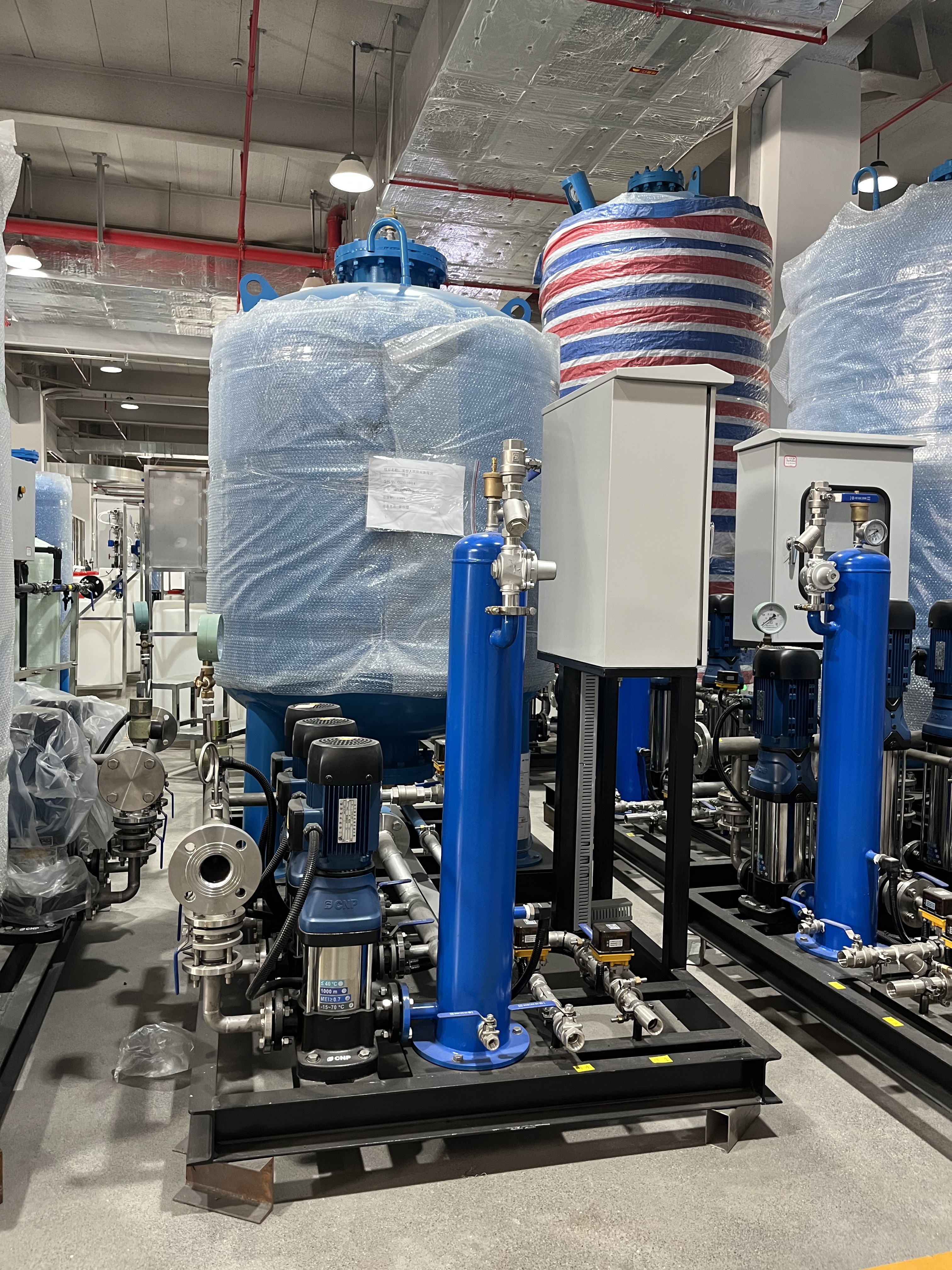
Commissioning translates static equipment into an active, functional network. This phase demands patience, precision, and adherence to strict engineering sequences. Rushing the initial start-up introduces massive air pockets or damages dry-running pumps. Systematic evaluation ensures the equipment meets the original design specifications. A proper commissioning phase sets the trajectory for the entire equipment lifecycle.
Use a specific step-by-step methodology for introducing fluid without overwhelming the vacuum degassing module. Rushing this process damages internal seals and triggers immediate system faults.
Verify all manual isolation valves are in the fully open position.
Ensure the main control panel is powered on but the pumps are switched to 'Off' or 'Manual Override'.
Introduce water slowly using city water pressure through the bypass line.
Utilize manual air vents at the highest physical points in the building to release gross air volumes.
Close manual vents once a steady stream of water flows without sputtering.
Engage the automated degassing sequence only after the system reaches a base static pressure.
Setting the base pressure (P0) requires understanding building height and core hydraulic design. P0 equals the static height pressure plus a 0.2 bar safety margin. Set the final operating pressure parameters slightly above this base line. This ensures a positive pressure remains at the highest terminal unit, preventing air ingress through micro-leaks.
Forcing pressure drops allows you to verify system response times. Open a drain valve slightly and monitor the variable frequency drive pumps. The pumps should ramp up smoothly without aggressive overshooting. If the pressure oscillates wildly, the PID controller settings require immediate proportional and integral adjustment. Measuring dissolved gas reduction rates confirms mechanical efficiency. Take water samples before and after the vacuum chamber passes. Test these samples against your baseline metrics for dissolved oxygen. Confirm that the vacuum mechanisms function correctly. Optimal setups reduce dissolved oxygen to near-zero levels within 72 hours of continuous operation.
Verify that the installed system actively prevents air-locks in terminal units. Check top-floor radiators in a high-rise Heating System. These are typically the first places air accumulates in compromised networks. If these units remain hot and air-free, the degasser is functioning correctly. Confirm compliance with local plumbing and mechanical codes regarding backflow prevention. Ensure RPZ valves are tested and certified by a licensed technician. Formalize the handover process thoroughly. Supply the localized operator's manual and physically train facility management. They must understand how to navigate and interpret the digital skid diagnostics screens.
High-performance equipment requires disciplined upkeep and strict observation. Neglecting maintenance leads to creeping inefficiencies and eventual system shutdown. A structured lifecycle framework prevents minor faults from escalating into capital expenses. Facility managers must treat the pressurization unit as the heart of the hydraulic network. Preventative scheduling guarantees long-term operational success.
Cleaning intake strainers and replacing fine-mesh filters maintains optimal make-up flow. A clogged strainer starves the pump, leading to severe cavitation and impeller damage. Isolate the strainer monthly, blow it down, and inspect the internal mesh for metallic debris. Metallic shavings often indicate premature wear on primary circulation pumps. Verify pre-charge gas pressure in the external diaphragm expansion tanks quarterly. You must isolate the tank and drain the water side completely before testing the air side. Ensure the gas pressure matches the initial P0 calculation perfectly. Check for seal weeping, cavitation noise, or abnormal vibration in the pump assemblies regularly.
Recalibrating pressure transducers prevents sensor drift over time. Drift causes erratic pump behavior, making the system under-pressurize or over-pressurize the building. Use a highly calibrated analog pressure gauge to verify the digital readings. If the transducer deviates by more than 5%, replace it immediately. Test the functionality of the water meter and flow sensors within the skid. These sensors track the exact volume of make-up water introduced. Verify that the software logs align with physical water meter readings. Apply any available firmware updates to the control board to enhance BMS communication stability.
Operators must recognize fault symptoms and execute rapid mitigations. When continuous make-up water demand occurs, do not assume equipment failure. This rarely indicates a skid failure. Execute leak detection protocols in the primary loop. Inspect and replace faulty solenoid make-up valves if they fail to seat properly. When insufficient degassing or recurring air locks occur, the vacuum chamber may be compromised. Adjust vacuum pump duty cycles via the control interface. Alternatively, clean or replace the internal coalescing media of the Integrated expansion degassing unit. When pump failure or VFD fault codes appear, check the control screen for overcurrent or dry-run errors. Bypass to redundant backup pumps while diagnosing motor electrical faults or transducer communication errors.
Capital procurement decisions rely heavily on strict financial justification. While automated systems carry a higher initial cost, their lifecycle savings are substantial. Engineering teams must articulate these tangible savings to financial stakeholders. ROI is generated through energy reduction, prolonged asset lifespan, and severe risk mitigation. Analyzing the total cost of ownership reveals the true value of automated degassing.
Quantifying thermal efficiency highlights immediate and recurring savings. Eliminating air pockets improves overall thermodynamics across the entire system. Air acts as a powerful insulator, severely reducing heat transfer efficiency in chillers and boilers. By keeping the fluid dense and completely gas-free, thermal exchange happens at optimal rates. This directly lowers boiler fuel consumption and chiller electrical draw. Reduction in pump energy consumption provides continuous financial returns. Stabilized system pressure and eliminated cavitation allow primary circulation pumps to run smoothly. Reduced friction loss means VFD pumps can operate at lower frequencies. This single factor can reduce hydronic pumping energy costs by up to 30% annually.
Compare the initial premium of high-end equipment against deferred operational costs. Purchasing a cheaper static tank seems economical initially during the construction bidding phase. However, you must factor in premature internal corrosion, frequent pump replacements, and expensive manual venting labor. These deferred maintenance costs rapidly outpace the initial capital savings. Advanced systems actively protect the wider network infrastructure. Extending the life of commercial boilers, chillers, and steel piping networks by five to ten years offsets any initial equipment premium. The true financial cost of a system is measured accurately over a twenty-year operational lifespan.
Calculating the financial impact of unscheduled downtime is highly critical. In mission-critical applications, sudden pressure failures are catastrophic. A failure in Water Treatment facilities halts production lines completely. Pressure loss in a high-rise Firefighting System carries massive liability and life-safety risks. Avoiding a single catastrophic downtime event often pays for the entire automated pressurization unit. Stable, predictable systems also reduce commercial insurance liabilities. Documented, automated pressure control and active leak detection appeal to facility insurers. In environments relying on precise Air Humidification, such as server data centers, automated water refill prevents highly costly server overheating events.
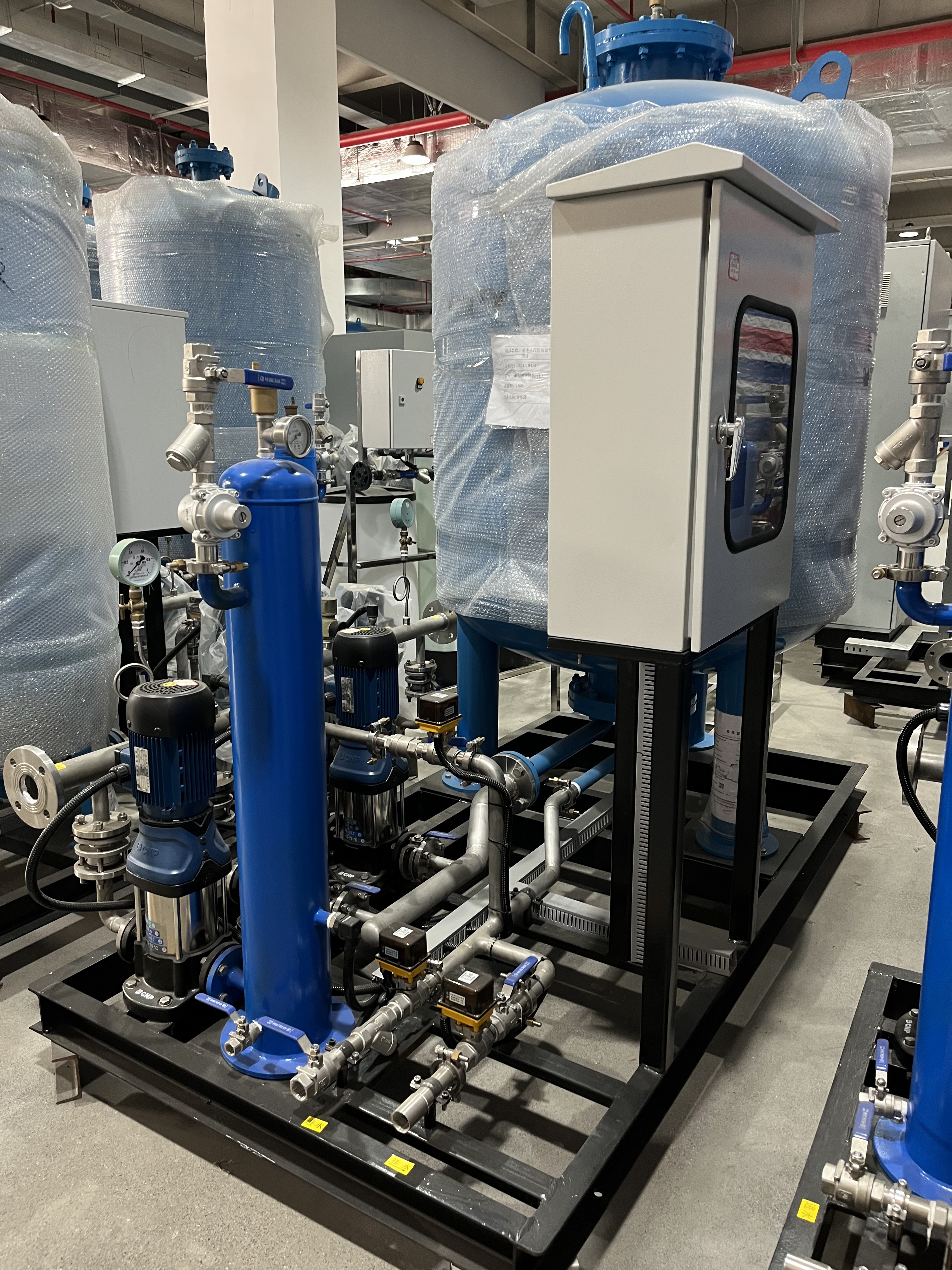
The final verdict is clear for modern facility management and engineering design. An automated fluid management device is not merely an optional accessory for building networks. It is a structural requirement for protecting the integrity and efficiency of modern closed-loop fluid systems. Relying on outdated manual methods exposes infrastructure to unacceptable physical degradation and financial risks. Decision-makers must apply strict shortlisting logic for all procurement operations. Prioritize vendors offering transparent sizing data and comprehensive operator manuals over lowest-bidder pricing. Require BMS-compatible digital skids and easily accessible mechanical maintenance points.
To upgrade your facility's hydronic infrastructure successfully, execute the following next steps:
Conduct a comprehensive hydraulic audit of your current network to identify persistent air-locks and pressure drops.
Define your required maximum make-up capacity and profile your intake source water chemistry.
Calculate precise static heights and thermal expansion coefficients for your specific building layout.
Request detailed technical submittals and pump performance curves from qualified engineering manufacturers.
Schedule a facility review to determine the optimal piping integration point and electrical routing.
A: While expansion tanks only absorb fluid volume changes and manual degassers require human intervention, an automated intelligent pressurization degasser actively monitors system pressure, adds treated water when needed, and utilizes vacuum cycles to continuously extract dissolved gases, fully preventing internal pipe oxidation.
A: Yes, provided there is adequate floor space, appropriate Class-rated power supply, and a viable tie-in point on the return line near the main circulation pumps. For well water setups, additional upstream pre-filtration is required to protect internal components from sediment.
A: Visual inspections and strainer cleanings should be performed monthly. A comprehensive mechanical tear-down, VFD pump check, expansion tank pre-charge test, and pressure transducer calibration must be completed annually according to the manufacturer operator's manual.
A: Common causes include a leak in the primary building loop exceeding the unit's maximum make-up capacity, a blocked Y-strainer heavily restricting intake flow, or a failing pressure transducer reporting incorrect telemetry data to the control skid.
A: While not strictly required for basic mechanical function, BMS integration is highly recommended. It tracks make-up water volumes over time. A sudden, uncharacteristic spike in make-up water usage is often the first automated indicator of a hidden system leak.


