


Views: 0 Author: Site Editor Publish Time: 2026-06-16 Origin: Site


Water leaving a municipal plant usually meets basic safety standards. The EPA recommends keeping Total Dissolved Solids (TDS) below 500 ppm, and city treatment facilities generally comply. The problem begins the moment that water enters the aging network of underground distribution pipes. Corroded mains and cracked lines introduce secondary physical, chemical, biological, and radiological contamination long.
Most consumers attempt to manage these four pollution categories with basic pitcher filters or refrigerator cartridges. These devices act as mere aesthetic band-aids. They temporarily improve taste and mask chlorine odors, but they leave serious dissolved solids intact. Buyers end up wasting money on inadequate specialist filters while misunderstanding the operational realities of advanced purification methods.
A reverse osmosis system serves as the ultimate physical separation technology. It uses zero chemical additives. Unlike single-issue filters targeting specific nuisance minerals, reverse osmosis operates as a broad-spectrum generalist. This objective evaluation guide examines how this technology actually works, its deep industrial pedigree, total cost of ownership (TCO), and the specific implementation risks every buyer must accept.
Extreme Precision: RO membranes filter down to 0.0001 microns (relying on both molecular size and electrical charge), comprehensively outperforming carbon filters.
The Wastewater Reality: Depending on water pressure, systems can waste anywhere from 4 to 20 gallons for every 1 gallon purified; however, implementing booster pumps or selecting EPA WaterSense-certified models drastically reduces this ratio.
Implementation Risks: Outdated under-sink systems present leak hazards and tedious maintenance in dark cabinets. Modern integrated manifolds and twist-and-pull cartridges mitigate these risks.
High ROI / Long Lifespan: With proper maintenance, core RO hardware lasts 10–15 years, easily offsetting the cost and environmental impact of over 3,700 single-use plastic bottles annually.
To understand the technology, you first need to understand the underlying natural law governing molecular movement. Osmosis is the natural tendency of water to move across a semi-permeable membrane from an area of low solute concentration to an area of high solute concentration. The primary biological directive is complete equilibrium. When you swim in the ocean for too long, your fingers become wrinkled. High-concentration seawater draws hydration out of your skin cells to dilute the surrounding salt. The fluid naturally moves to balance the opposing scales of concentration.
Reverse osmosis forcefully disrupts this natural balance by introducing intense mechanical energy into the equation. Imagine using a high-powered, industrial juice extractor. You apply external hydraulic pressure to raw, contaminated water, deliberately overpowering the natural osmotic pressure. The internal semi-permeable membrane acts like a microscopic juicer screen. It traps the heavy pulp and bitter rind—representing the heavy metals, complex salts, and synthetic chemicals. The system continuously flushes this rejected waste down the drain. Only the completely pure fluid, known technically as the permeate, successfully passes through the microscopic screen and enters your glass.
Basic physical barrier filtration relies solely on physical size exclusion. If a floating particle is larger than the mechanical hole in the filter media, it gets stuck. Advanced water treatment equipment goes far beyond this rudimentary sieve mechanism. A premium membrane rejects dissolved contaminants based on both microscopic physical size and molecular electrical charge. Certain dissolved ions may theoretically be physically small enough to pass through the pore structure, but the membrane's inherent surface charge aggressively repels them. This dual-layer defense mechanism makes reverse osmosis functionally superior to standard carbon block or pleated sediment filters.
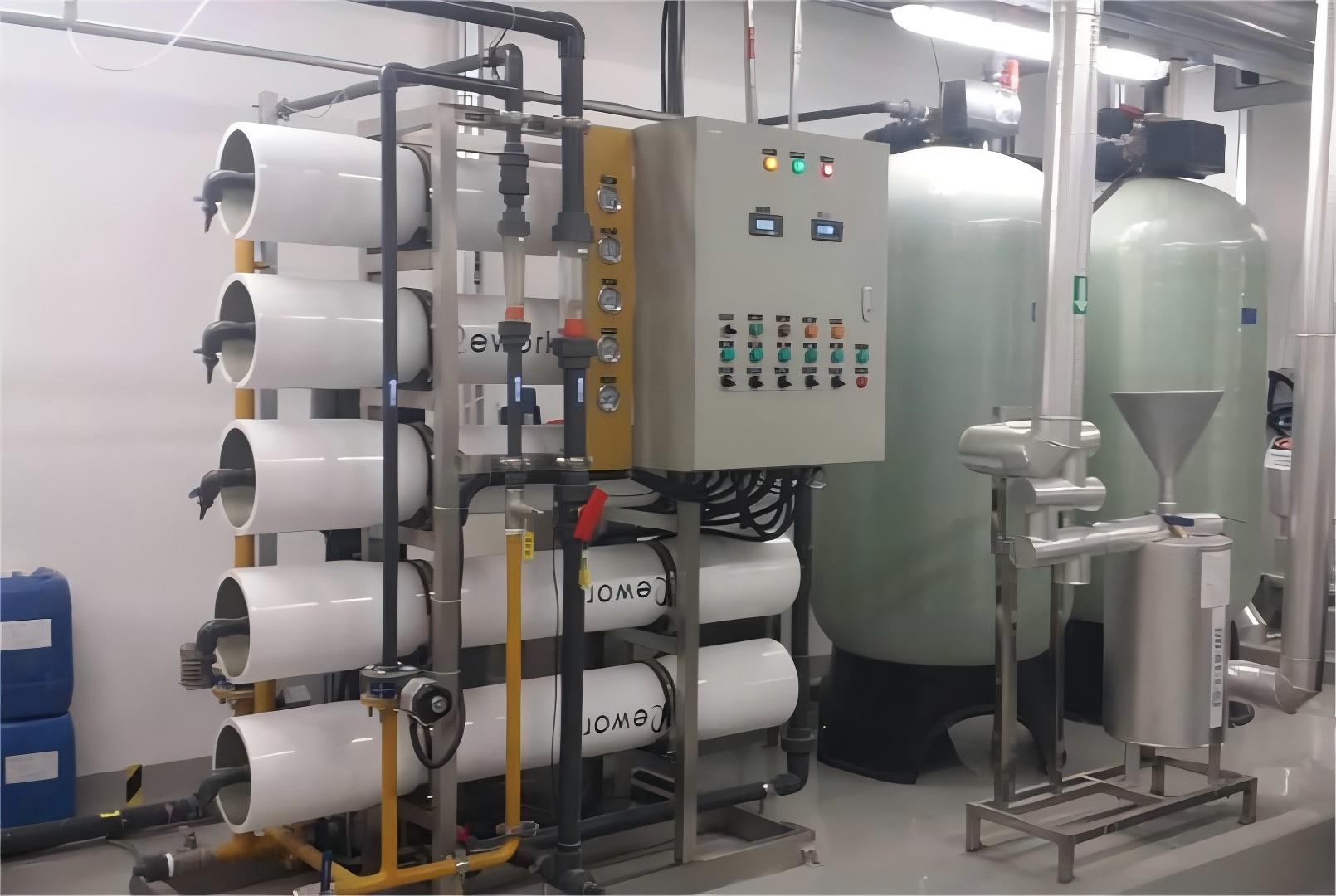
Raw tap water cannot touch a delicate thin-film composite membrane directly. The first operational stage always involves heavy-duty sediment and activated carbon pre-filters. The initial sediment cartridge physically captures large dirt particles, suspended rust from old pipes, and coarse sand. The secondary carbon block performs a totally different function via chemical adsorption. It removes municipal chlorine and chloramines. Chlorine causes irreversible chemical oxidation and degradation to delicate polyamide membrane layers. Pre-filtration exists strictly as a sacrificial shield for equipment protection. It does not provide the final purification of the drinking water.
Many low-end filter brands aggressively market "1-micron" filtration as an ultimate standard. This misleading marketing myth causes immense confusion for buyers. For context, a single human hair measures roughly 70 to 80 microns thick. Standard refrigerator carbon blocks operate at around 0.5 microns. A genuine reverse osmosis membrane operates at an astonishing 0.0001 microns. This represents a microscopic fraction of a single micron. At this incomprehensible scale, the system actively strips away dissolved inorganic solids, heavy metal ions, and synthetic compounds right at the molecular level. Most high-quality membranes utilize a spiral-wound design, maximizing the surface area packed into a small cylindrical housing.
Unlike standard carbon or spun-polypropylene filters that trap debris internally until they physically choke and restrict water pressure, a reverse osmosis unit utilizes active cross-flow filtration. The system continuously sweeps the incoming water across the membrane surface. Impurities rejected by the membrane surface form a highly concentrated brine. This brine flushes directly down the sink drain via a precision mechanical flow restrictor. This constant, pressurized washing mechanism prevents severe mineral scaling and keeps the microscopic 0.0001-micron pores from permanently clogging with calcium or silica.
Purification at the molecular level happens incredibly slowly. A standard membrane might produce just two to three fluid ounces of pure water per minute. Therefore, traditional systems push the slow-drip permeate into a specialized hydro-pneumatic storage tank. The tank contains an internal butyl rubber bladder pressurized with air to exactly 7 to 8 psi. As the purified water fills the upper chamber, it compresses the air below. When you open the countertop faucet, this stored compressed air forcefully delivers rapid, on-demand water flow. Modern tankless models bypass this bulky storage method entirely by utilizing powerful built-in electric delivery pumps to force water through multiple high-flow membranes instantly.
Water sitting inside a pressurized rubber storage tank can occasionally absorb a flat, stagnant taste or pick up faint synthetic odors from the bladder material. Before the purified water finally reaches, it passes through a final post-filtration stage. This inline activated carbon filter, typically packed with high-grade granulated coconut shell carbon, acts as a dedicated polisher. It scrubs away any residual tastes or dissolved gases, ensuring the final drinking product is exceptionally crisp, clean, and highly palatable.
No purification technology handles every conceivable environmental threat perfectly. An objective engineering assessment requires understanding exact chemical strengths alongside inherent physical vulnerabilities.
The technology excels at completely stripping out dangerous heavy metals. Toxic elements like lead, mercury, and copper categorically fail to pass through the tight membrane structure. It effortlessly tackles complex dissolved salts, industrial fluorides, and pyrogens (fever-inducing bacterial byproducts). It also serves as the absolute frontline defense against modern emerging chemical threats, including per-and polyfluoroalkyl substances (PFAS), volatile organic compounds (VOCs), pesticides, and microscopic plastic degradation byproducts.
| Contaminant Category | Specific Examples | Reverse Osmosis Removal Effectiveness | Primary Source of Contamination |
Heavy Metals | Lead, Mercury, Copper, Chromium-6 | Excellent (>95% Reduction) | Corroded infrastructure, industrial runoff, aging brass plumbing fixtures. |
Inorganic Salts | Sodium, Calcium, Nitrates, Sulfates | Excellent (>90% Reduction) | Agricultural fertilizer runoff, natural mineral deposits. |
Emerging Chemicals | PFAS (Forever Chemicals), VOCs, Trace Pharmaceuticals | Highly Effective (When paired with carbon pre-filtration) | Manufacturing plants, chemical spills, municipal wastewater recycling. |
Dissolved Gases | Radon, Hydrogen Sulfide, Methane | Poor (Passes directly through the membrane) | Deep underground aquifers, naturally occurring radioactive decay in bedrock. |
This aggressive removal rate plays a critical role for individuals managing highly specific medical conditions. Whole-house water softeners use ion exchange resin beads to remove hardness minerals like calcium and magnesium. During this chemical exchange process, they inject residual sodium into the entire water supply.
Despite its precision, the technology has distinct chemical blind spots. Trivalent Arsenic (As III) carries a neutral electrical charge and can sometimes slip through standard polyamide membranes.
Biological threats require similar caution. While a 0.0001-micron pore physically blocks most common bacteria, protozoa, and cysts, manufacturers do not rate these systems as standalone biological purifiers. Micro-tears in the thin membrane material or degraded rubber O-rings can allow microscopic pathogens to bypass the filtration media entirely. Well water users facing high microbial risks must pair their equipment with a dedicated ultraviolet (UV) purification module. Buyers should look for strict NSF/ANSI P231 compliance when attempting to treat microbiologically unsafe water sources.
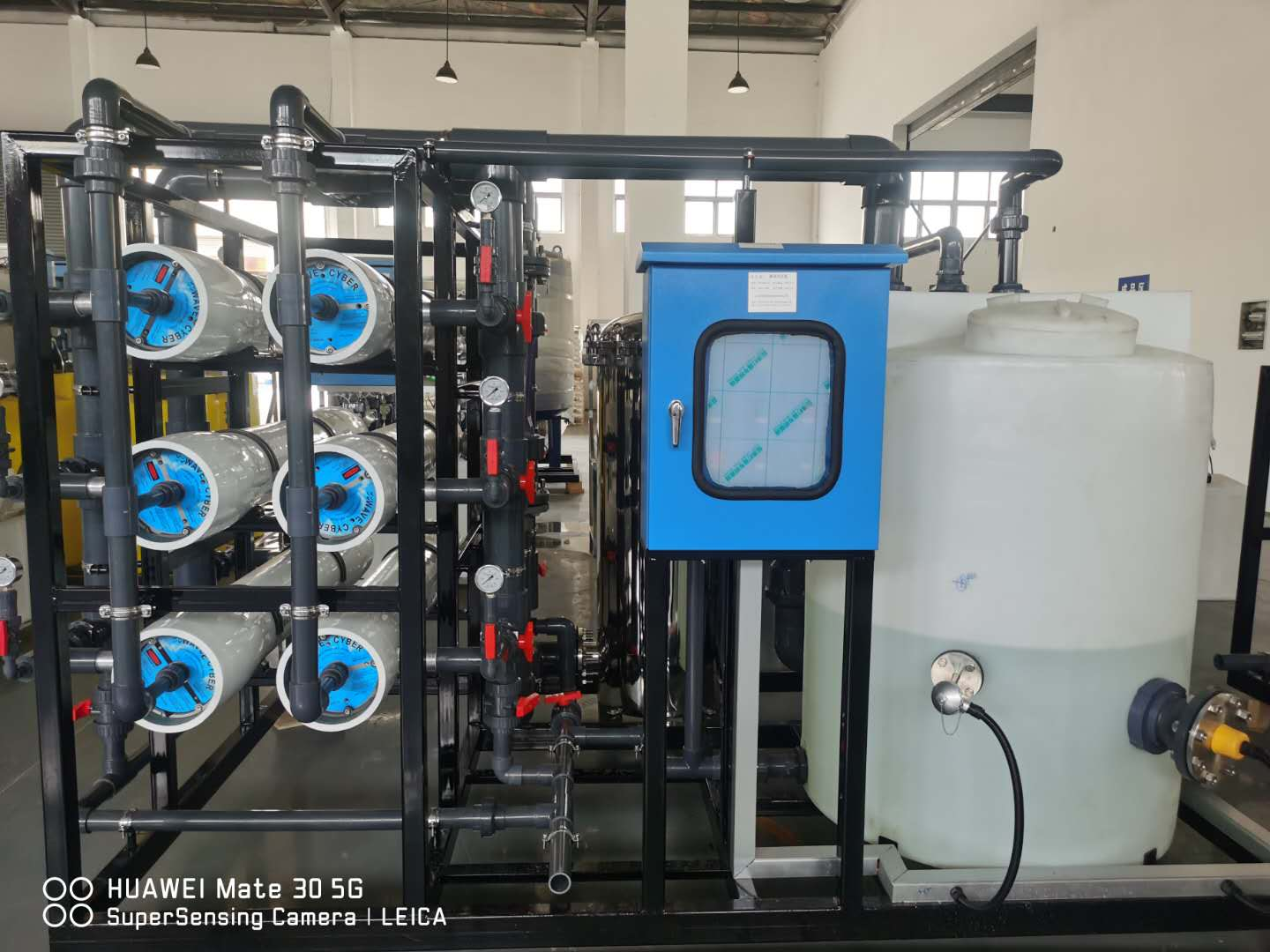
Industrial reverse osmosis units do not rely on watered-down or untested consumer technology. The compact plastic manifold sitting quietly utilizes the exact same foundational separation science found in a massive industrial reverse osmosis system.
This deep cross-industry validation proves its unshakeable authority in water purification. Commercial pharmaceutical manufacturers rely on massive arrays of pressurized membrane housings to generate hyper-pure dialysis water for vulnerable medical patients. Energy generation facilities pump millions of gallons of feed water through industrial-grade membranes to feed high-pressure steam boilers. Removing microscopic dissolved minerals from boiler feed water prevents catastrophic mineral scaling, which can lead to explosive structural failures in power plants.
The global microelectronics sector pushes the technology to its absolute physical limits. Semiconductor fabrication plants require ultra-pure water (UPW) possessing 18.2 megohm-cm electrical resistivity to rinse microscopic dust off delicate silicon wafers. Even a microscopic trace of dissolved salt will short-circuit a modern microchip during the etching process. Municipalities actively deploy large-scale wastewater treatment facilities utilizing massive reverse osmosis banks to reclaim raw sewage and successfully convert it back into potable municipal drinking supply.
Filtration purity comes at a steep volumetric cost. Traditional systems require high hydraulic pressure from the city water main to overcome the natural osmotic pressure of the water. If water pressure drops below 40 psi, or if the membrane becomes heavily fouled with calcium scale, processing efficiency plummets drastically. Under poor hydraulic conditions, traditional passive equipment can waste a staggering 4 to 20 gallons of water straight down the drain just to produce a single purified gallon.
You can easily fix this extreme operational waste. Buyers utilizing standard tank-based systems should immediately install a permeate pump. This clever mechanical device harnesses the kinetic hydro-mechanical energy of the wastewater stream to actively push pure water into the pressurized storage tank. It operates completely without electricity and systematically reduces waste by up to 75%. Alternatively, modern tankless models utilize powerful electric booster pumps. These pumps artificially drive feed water pressure to optimal internal levels, extending membrane lifespan and drastically dropping the waste ratio to an acceptable 1:1 or 1:2 metric.
Older generation under-sink units rely on dozens of external plastic tubing lines secured by cheap "quick-connect" fittings. Over time, fluctuating municipal water pressure spikes and accidental physical bumps from storing cleaning supplies degrade these fragile connections. The resulting slow drips predictably lead to disastrous under-sink leaks and widespread black mold damage inside the home.
Replacing standard drop-in filters on these older models remains a famously despised household chore. You can avoid these massive headaches by implementing a strict, proactive maintenance and inspection protocol.
Shut off the main cold water supply valve firmly before attempting any filter replacements to prevent accidental flooding.
Depressurize the entire system by opening the dedicated drinking faucet until all water completely stops flowing.
Close the ball valve located directly on top of the pressurized storage tank to prevent your reserve pure water from emptying back through the system.
Inspect all plastic tubing connections for stress fractures, replacing any lines that show distinct physical crimping or discoloration.
Remove and replace the pre-filter cartridges, ensuring you heavily lubricate the rubber O-rings with food-grade silicone grease to guarantee a watertight seal.
Smart buyers bypass these physical nightmares entirely during the purchasing phase. Guide your purchasing decision toward modern "manifold" designs. These advanced units route water internally through a solid plastic block, eliminating messy external tubing connections and massive leak risks. Seek out 1/4-turn twist-and-pull fast-change filter cartridges. These encapsulated modular designs automatically shut off the internal water flow upon removal. You never actually touch the wet filter media, and you never need to shut off your home's main water valve to perform routine service.
| System Architecture | Average Processing Capacity | Installation & Operational Requirements | Ideal User Profile |
Countertop / Portable Units | 75 - 100 Gallons Per Day (GPD) | No plumbing required. Relies on manual reservoir refills and standard wall outlets. Slower overall processing speed. | Apartment renters, college dorm rooms, or individuals severely lacking under-sink cabinet space. |
Under-Sink Tanked Systems | 50 - 90 Gallons Per Day (GPD) | Requires basic plumbing knowledge. | Budget-conscious with consistently strong municipal water pressure (registering above 50 psi). |
Under-Sink Tankless Systems | 400 - 800 Gallons Per Day (GPD) | Requires dedicated plumbing and an accessible under-sink electrical outlet. Features internal booster pumps. Provides high-volume continuous flow. | Large buildings with high water demand, and users focused on environmental efficiency. |
Ignore generic packaging claims boasting "premium purity" or "ultimate filtration." You must demand specific, verifiable independent laboratory standards. Look specifically for NSF/ANSI 58, the benchmark standard specifically covering reverse osmosis performance and structural integrity. NSF 53 guarantees the verified removal of health-hazardous contaminants like lead, asbestos, and microbial cysts. NSF 401 officially certifies the reduction of emerging compounds, including trace prescription pharmaceuticals and microplastics. If treating active biological hazards on well water, strictly mandate NSF P231 certification for microbiological purification.
Water efficiency also requires independent verification. Search for the federal EPA WaterSense label on the packaging. This government certification guarantees a strict maximum waste limit for the hardware. A WaterSense-certified model will predictably discharge no more than 2.3 gallons of waste for every 1 gallon of purified water produced under normal operating conditions.
Most hardware manufacturers explicitly tell you to replace carbon pre-filters every six months. This arbitrary calendar reminder completely ignores physical reality. Changing filters blindly based on dates leads to premature replacement costs or consuming compromised water quality from fully exhausted media.
Always recommend hardware featuring intelligent flow-meter tracking technology. These modern RO system models physically measure the exact mathematical volume of water processed through the manifold. The LED indicator light only triggers an alert when the internal filter media actually reaches its genuine volumetric capacity limit, saving you money and guaranteeing safety.
Understanding the actual financial commitment of water purification requires looking far past the initial cardboard box price. A cheap base unit often hides wildly expensive proprietary replacement filters that trap you in an endless subscription loop.
Initial acquisition pricing scales predictably based on output capacity. Basic under-sink units cost around $150 to $250. High-efficiency tankless models equipped with smart tracking sit firmly between $400 and $800. Comprehensive, highly customized whole-builiding reverse osmosis platforms easily scale from $1,000 to over $5,000, requiring extensive professional plumbing labor and large atmospheric holding tanks.
Annual maintenance heavily drives the true operational cost over a decade. Expect to spend $100 to $400 yearly replacing the carbon and sediment pre-filters depending on your local water hardness. The core membrane replacement adds another distinct variable. You should replace the RO membrane every two to three years. Do not guess this replacement timing based on taste. Purchase an inexpensive digital TDS (Total Dissolved Solids) meter. Test your raw tap water, then test your purified water. When the output impurity steadily rises to 30-35% of the raw tap water's TDS baseline, the structural integrity of the membrane has failed and requires immediate replacement.
Despite these ongoing maintenance costs, the return on investment (ROI) remains highly favorable. You must intelligently amortize the hardware cost over a 10 to 15-year mechanical lifespan. Compare this total cost of ownership against a common, wasteful household habit: buying single-use bottled water. The average household replacing their daily drinking water with bottled alternatives purchases, physically transports, and disposes of roughly 3,787 plastic bottles annually. Eliminating this ongoing grocery expense heavily offsets the equipment acquisition and filter replacement costs entirely within the first 18 months of operation.
Test Your Baseline Water Quality: Purchase a professional digital TDS meter or order a certified laboratory water test to establish unique contamination baseline.
Evaluate Your Sink Space and Pressure: Measure under-sink cabinet dimensions and check water pressure gauge to determine if you need a compact tankless system equipped with a booster pump.
Verify Necessary Certifications: Only shortlist hardware models that carry explicit NSF/ANSI 58 and EPA WaterSense certifications to ensure verified chemical performance and acceptable wastewater limits.
Schedule Your Maintenance Lifecycle: Set up an automated delivery order for replacement pre-filters and log a digital calendar reminder to mechanically test your RO membrane performance every two years.
A: Yes. The membrane’s 0.0001-micron pore size strips out healthy dietary minerals like calcium alongside toxic heavy metals. However, humans receive the vast majority of vital minerals from food, not drinking water. If you prefer the alkaline taste of mineralized water, you can install a remineralization post-filter to add calcium back into the permeate.
A: No. Distillation is a phase-change process that boils water into steam, leaving impurities behind, and then condenses it back to a liquid. Reverse osmosis relies on high-pressure molecular filtration across a physical membrane. Both produce extremely pure water, but reverse osmosis requires significantly less energy and produces water instantly without the need for boiling.
A: They are the perfect pairing. A whole-building softener acts as the ultimate pre-filter. It strips out hard calcium that would otherwise scale and ruin the delicate membrane. In return, the under-sink unit removes the residual sodium that the softener naturally injects into the water.
A: Use a digital TDS meter. Measure the total dissolved solids of your raw tap water, then measure the purified water. A healthy membrane rejects about 90-95% of solids. If your tap water is 300 ppm, your pure water should be around 15-30 ppm. When the purified water's TDS rises to 30-35% of the raw tap water baseline, replace the membrane.
A: Continuous draining indicates a mechanical failure. Common culprits include a broken automatic shut-off valve, a ruptured bladder inside the pressurized storage tank, or a failing check valve. Low household water pressure can also cause the system to struggle against natural osmotic pressure, resulting in a continuous, highly inefficient waste ratio.
A: Yes, but only with aggressive pre-treatment. Raw well water often contains high levels of dissolved iron, extreme hardness, hydrogen sulfide, and dangerous microbiological contaminants. Without dedicated pre-filters to handle iron and hardness, a standard membrane will permanently clog within weeks. You must also add a UV purifier to neutralize living bacteria and viruses.


