


Views: 0 Author: Site Editor Publish Time: 2026-06-15 Origin: Site


Many buyers face widespread confusion in the commercial water purification market. People often invest in basic filtration assuming it provides total purification. Later, they discover persistent contaminants, appliance scaling, or compromised taste in tap water. Municipal water meets baseline safety standards at the treatment plant. However, aging infrastructure, such as lead pipes, degrades this quality. Unregulated contaminants like PFAS or agricultural runoff in well water require point-of-use intervention. A Reverse osmosis system serves as the gold standard for comprehensive, molecular-level water purification. This guide details exactly how an RO unit works mechanically. We outline its scientific advantages over standard water treatment equipment. You will also learn how to evaluate the Total Cost of Ownership accurately.
Filtration Precision: RO membranes operate at an extreme precision of 0.2 nanometers, removing up to 99% of Total Dissolved Solids (TDS), heavy metals, fluoride, and "forever chemicals."
Efficiency Standards: Traditional RO units waste up to 5 gallons of water for every 1 gallon produced; modern EPA WaterSense-certified models reduce this wastewater ratio to 2.3:1 or better.
Infrastructure Requirements: Successful installation requires minimum water pressure (40+ PSI) or an integrated electrical control booster pump, plus strategic pairing with pre-filtration (like a water softener) to protect the membrane.
Sizing & Form Factors: Output is measured in Gallons Per Day (GPD). Buyers must choose between countertop, under-sink, sizing from 500 GPD to 1000+ GPD for high-volume tankless demand.
Natural osmosis occurs when water moves across a semi-permeable boundary. The fluid travels from a low-concentration solution to a high-concentration solution. This process happens naturally to achieve cellular balance in plant roots. Human kidneys also rely on natural osmosis to filter blood safely. A RO system actively flips this established scientific principle. It utilizes external water pressure to force contaminated water against the natural gradient. The liquid pushes relentlessly through a specialized semi-permeable membrane. Think of this advanced membrane as a microscopic screen door. It allows pure water molecules to pass through the material freely. Simultaneously, it blocks heavy metals, chemicals, and dissolved solids completely. This mechanical separation splits the fluid flow into two distinct streams. The permeate represents your perfectly clean, highly filtered drinking water. The concentrate becomes wastewater or brine, carrying the rejected contaminants away.
Contextualizing microscopic filtration pore sizes highlights why hyperfiltration remains technologically superior. Microfiltration easily blocks large particles measuring 50 nanometers or larger. Ultrafiltration catches smaller debris measuring 3 nanometers or larger. Nanofiltration tightens the barrier down to just 1 nanometer. A modern thin-film composite membrane operates at 0.2 nanometers. This extreme density reliably captures dissolved ions and microscopic molecules. These deeply dissolved contaminants effortlessly bypass standard carbon block filters. Engineers classify this level of extraction as absolute hyperfiltration. It guarantees the complete removal of toxic chemical isotopes.
| Filtration Type | Pore Size Limit | Primary Targets Removed |
Microfiltration | 50 nanometers | Sand, silt, clay, large bacteria |
Ultrafiltration | 3 nanometers | Viruses, fine proteins, colloidal silica |
Nanofiltration | 1 nanometer | Synthetic dyes, heavy organics, divalent ions |
Hyperfiltration (RO) | 0.2 nanometers | Dissolved salts, lead, arsenic, PFAS, fluoride |
Effective molecular purification requires a rigorous, sequential mechanical approach. Water must pass through distinct physical and chemical barriers.
Stage 1: Sediment Filtration: This initial barrier captures visible particulates like dirt, sand, and rust. Removing these physical hazards prevents the downstream filters from clogging prematurely. Manufacturers usually utilize a spun polypropylene material for this stage. It operates effectively at a precise 5-micron structural density rating.
Stage 2: Pre-Carbon Block (Critical Step): This crucial stage removes volatile organic compounds and harsh chlorine. Exposing a delicate membrane directly to municipal chlorine will rapidly degrade it. The carbon block utilizes millions of microscopic pores for chemical adsorption. It effectively prepares the raw tap water for deeper membrane processing.
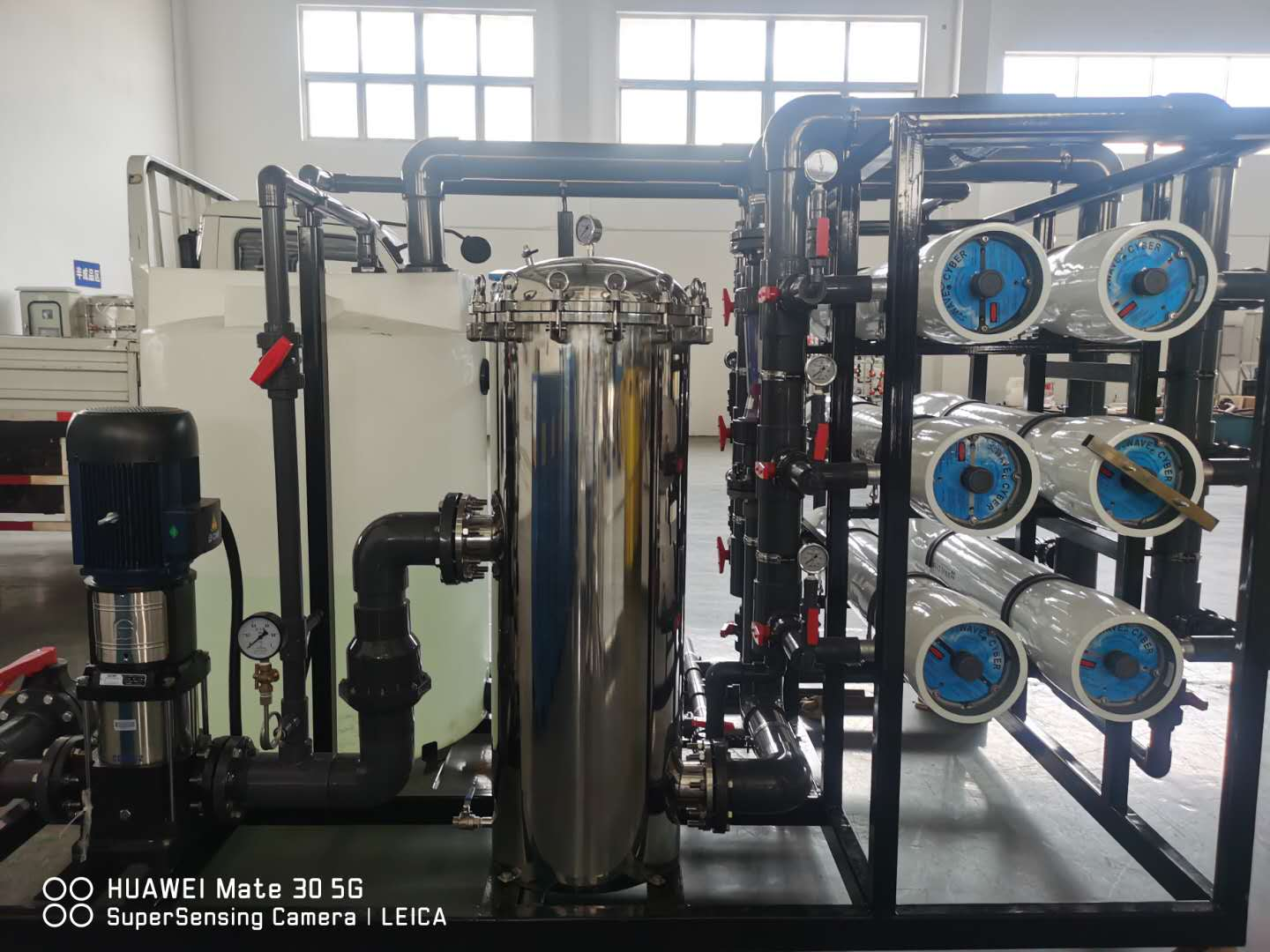
Stage 3: The RO Membrane (Hyperfiltration): The core mechanism filters continuously at 0.001 microns. Engineers originally developed this technology for massive industrial RO system applications. Industrial plants use it daily for high-volume seawater desalination processes. Today, manufacturers successfully miniaturize the complex technology for compact industrial use. The membrane physically strips away lead, arsenic, and persistent microplastics.
Stage 4: Post-Carbon Polish: This final filtration step eliminates residual odors from the storage tank. It optimizes the exact taste right before the water reaches you. This step ensures the dispensed liquid smells perfectly neutral. It utilizes activated coconut shell carbon for a smooth finish.
Stage 5: Remineralization (The Modern Upgrade): The core process strips away beneficial minerals alongside harmful contaminants. Adding a dedicated remineralization cartridge reintroduces healthy calcium and magnesium. This physical addition balances the pH level of the acidic water.
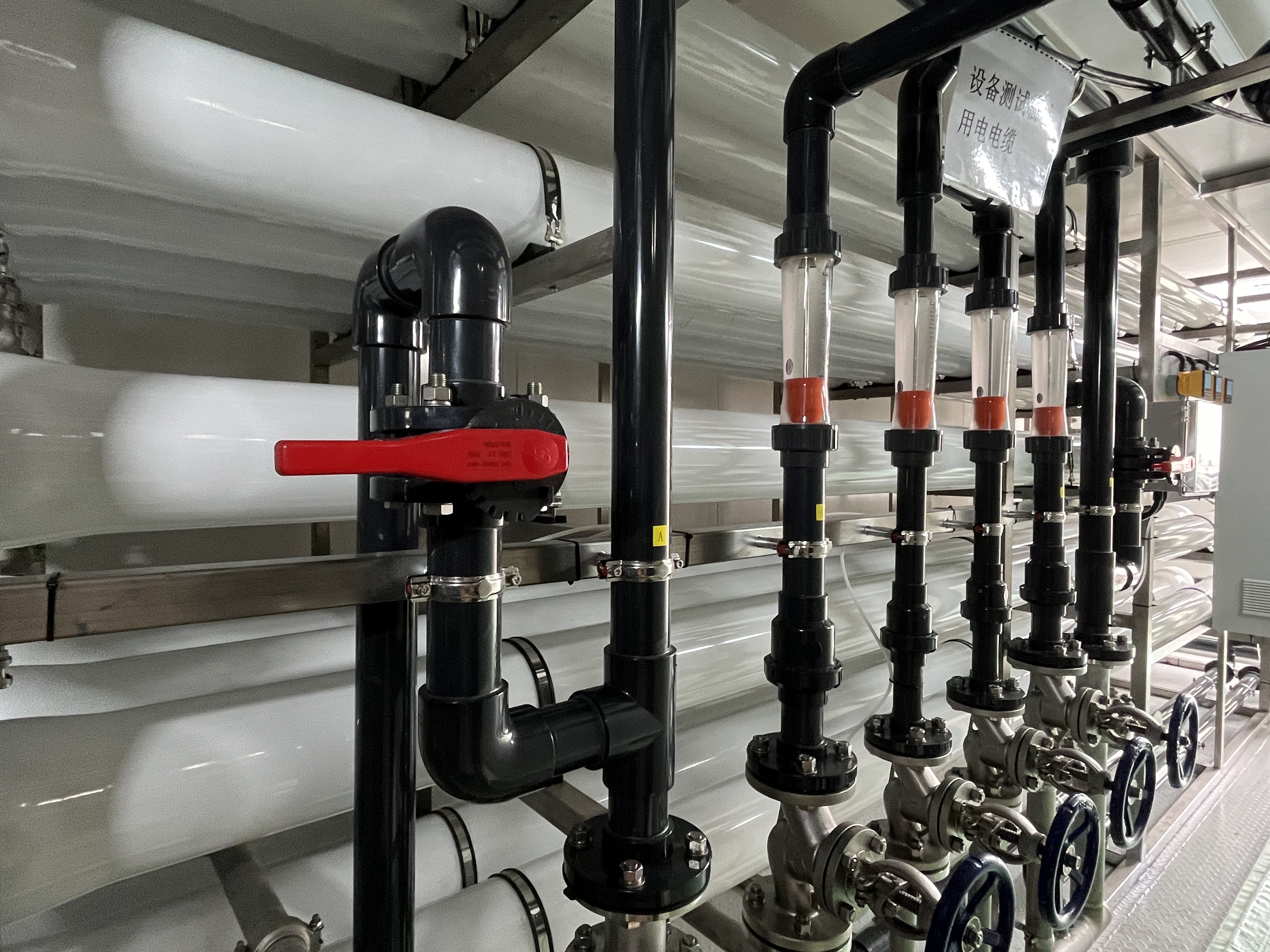
Pitchers and basic filters primarily utilize passive activated carbon. They remain highly effective for taste enhancement and odor removal. They also provide basic chlorine reduction for standard municipal supplies. However, they are fundamentally incapable of removing dangerous heavy metals. They fail to filter naturally occurring fluoride or total dissolved solids. You cannot rely on them for complete chemical safety. They improve the aesthetic qualities of water without providing deep purification.
Point-of-Entry systems address specific, single-issue municipal or well-water problems. These setups might include targeted iron reduction or sulfur removal. They effectively protect industrial plumbing network from severe scaling. However, they do not provide RO-level molecular purification. They operate as bulk generalists rather than high-precision targeted purifiers.
Distillation continuously boils water into steam and then condenses it. Hyperfiltration strictly relies on physical pressure to separate individual molecules. While distillers excel at mineral removal, they possess a chemical blindspot. Low-boiling-point volatile organic compounds, like chloramines, vaporize easily. They can condense right alongside the supposedly pure water. An under-sink unit paired with carbon pre-filters completely eliminates this risk. Distillers also consume massive amounts of electricity during the heating cycle. Membrane filtration operates using your existing municipal water line pressure.
Many premium bottled water brands simply bottle filtered municipal tap water. They process it through a commercial water treatment system prior to packaging. Installing a RO unit delivers unlimited pure water directly to people. It provides a convenient bottle-less solution at a fraction of the cost. Pay pennies per gallon compared to expensive retail markups. Furthermore, this proactive approach eliminates industrial plastic waste entirely. You stop ingesting the microplastics commonly found inside disposable water bottles.
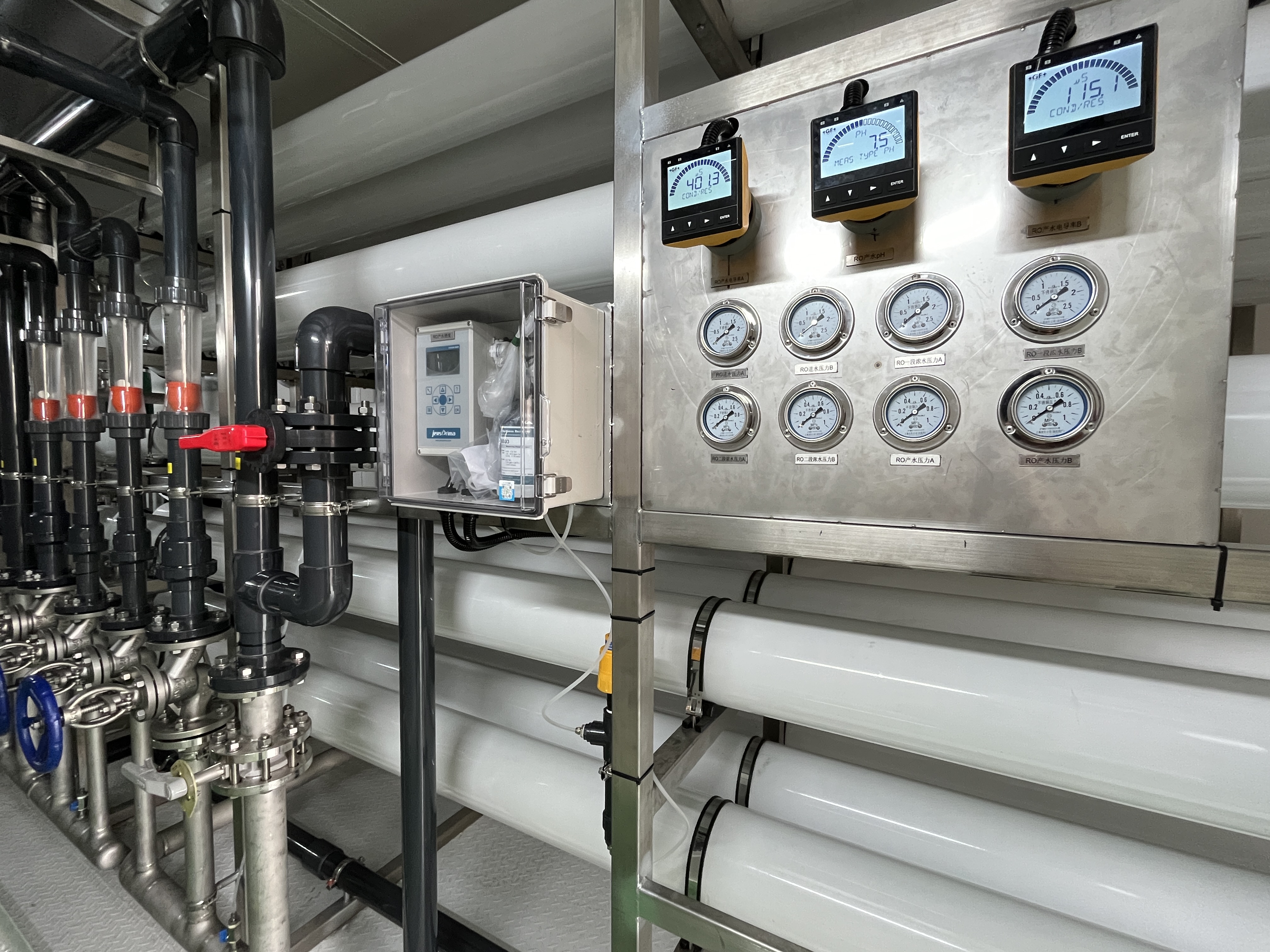
Choosing the correct physical form factor depends entirely on situation. It also relies heavily on daily water consumption demands.
Countertop: These portable units remain ideal for commercial temporary housing. They require absolutely no permanent plumbing modifications. However, they offer much lower output capacities and require manual refilling.
Under-Sink: This format serves as the established plumbing standard. They hide bulky hardware safely inside. They offer high-capacity output.
Whole-Building RO: These installations remain extremely rare and highly expensive. Contractors specify them only in extreme well-water contamination scenarios. They generate a massive wastewater footprint that municipal sewers struggle with.
Manufacturers consistently measure water production capacity in Gallons Per Day. Base models safely offer 50 to 100 GPD output. These traditional systems require external pressurized storage tanks to maintain flow. Modern tankless models confidently output between 400 and 1000 GPD. We highly recommend installing a 500 GPD model for standard industrial buildings. Large buildings should aim higher.
These precision systems require 40 to 100 PSI to function effectively. Municipal water supplies usually meet this baseline pressure requirement easily. Well water frequently falls between a sluggish 20 and 60 PSI. If your pressure drops below 40 PSI, you face issues. The system requires an internal mechanical booster pump for optimal performance. An automated electrical control panel governs this essential pumping mechanism perfectly. The pump maintains the high-pressure gradient necessary for successful membrane penetration. Without adequate line pressure, the unit generates excessive amounts of wastewater.
| System Feature | Traditional Tank Configurations | Modern Tankless Configurations |
Space Requirement | High footprint (Needs room for a 2-4 gallon tank) | Low footprint (Compact, streamlined housing) |
Flow Delivery | Immediate initial burst, slows as the tank empties | Continuous, endless on-demand water supply |
Bacterial Risk | Secondary growth occurs if the tank remains unsanitized | Zero risk of stagnant water contamination |
Power Needs | Operates solely on existing plumbing line pressure | Requires a standard 110V under-sink electrical outlet |
Maintenance | Requires checking tank air pressure annually | Simplified modular twist-and-pull filter changes |
We must address the primary technological drawback transparently. Traditional technology generates five to ten gallons of concentrate wastewater. This waste happens for every single gallon of purified water produced. The constant flushing physically sweeps contaminants off the delicate membrane surface. Without this active flushing cycle, the membrane would scale and fail. In highly water-scarce regions, standard usage faces heavy government regulation. Some municipalities restrict installation if the baseline total dissolved solids remain low.
Buyers should strictly seek EPA WaterSense certification or equivalent ratings. These certified models actively utilize specialized internal permeate pressure pumps. These mechanical components reduce the wastewater ratio to 2.3:1 or lower. Upgrading to an efficient model saves roughly 3,100 gallons of water annually. Over the appliance's total lifecycle, this translates to 47,000 gallons conserved. The financial savings on your municipal water bill easily justify the upgrade. You achieve professional purification without depleting local community reservoirs.
Advanced synthetic materials are currently in development to solve wastewater challenges. Chemical engineers actively prototype revolutionary single-atom-thick graphene filtration membranes. These future innovations promise to drastically reduce mandatory energy requirements. They will completely minimize the wastewater footprint of upcoming filtration generations. Scientists also explore aquaporin proteins to mimic natural biological water transport. These targeted biomimetic approaches will eventually replace standard synthetic polymer sheets. Until then, integrated permeate pumps remain your best efficiency strategy.
High levels of calcium and magnesium present a severe structural threat. Hard water will rapidly scale and completely blind the fragile membrane. Integrating a whole-building water softener creates vital operational filtration synergy. The external softener removes hardness minerals and replaces them with sodium. The central under-sink membrane then easily rejects 98% of this sodium. This clever combination results in incredibly soft, pure water. It also drastically extends the operational lifespan of core components.
Splicing a purification unit to a refrigerator requires standard 1/4-inch tubing. However, you must meticulously heed a critical plumbing pressure drop warning. The output pressure from the filter typically measures quite low. It often reaches only two-thirds of your main plumbing line pressure. Buyers must carefully verify their refrigerator’s minimum operational pressure requirements. Failing to meet these strict specifications will cause mechanical failures. Your automatic ice maker will jam or produce undersized hollow cubes.
The rigorous filtration process effectively removes up to 97% of dietary sodium. This calculation includes the extra sodium added by upstream water softeners. This deep extraction makes it the premier choice for low-sodium diets. Furthermore, completely removing chlorine and chloramines changes your daily beverage experience.
Never purchase an unverified system lacking proper independent laboratory validation. Always look closely for the official NSF/ANSI 58 performance certification mark. This testing serves as the specific global standard for membrane technology. Complementary testing certifications provide you with additional consumer safety guarantees. NSF 42 thoroughly validates basic aesthetic effects like taste and odor. NSF 53 guarantees complex health effects like lead and mercury reduction. NSF 401 verifies the consistent removal of emerging compounds and pharmaceuticals. Protocol P231 strictly validates the unit as a true microbiological purifier.
Consumers must meticulously calculate both capital and operational filter replacement expenses. Quality setups range from $300 to $1,200 for the Capital Expense. Operating Expenses depend entirely on scheduled filter replacement habits. Pre-filters and post-filters absolutely require swapping every 6 to 12 months. The central hyperfiltration membrane component requires replacement every 3 to 5 years. This exact replacement timeline heavily depends on your input water hardness. High total chlorine exposure will also accelerate the required maintenance schedule.
Test water supply using a certified independent laboratory to establish your baseline TDS and hardness levels.
Measure available under-sink cabinet space and verify direct access to an electrical outlet before purchasing a tankless design.
Check baseline water pressure with a gauge to determine if you must install an integrated booster pump.
Purchase a high-efficiency model possessing an EPA WaterSense certification to aggressively minimize daily environmental wastewater footprint.
A: Yes, the hyperfiltration process systematically removes dissolved calcium and magnesium. However, the human body actively absorbs the vast majority of its essential daily minerals from food sources, not drinking water. If you remain concerned about mineral intake, simply add a remineralization filter to the final stage. This component reintroduces healthy minerals, perfectly balances the pH, and improves the taste.
A: Because it lacks trace minerals and dissolved solids, the water tastes distinctly clean and perfectly neutral. Many users compare the pristine flavor to high-end commercial bottled water. If you personally find the pure taste too flat, you can easily install an alkaline remineralization cartridge. This targeted addition enhances the final mouthfeel specifically for brewing specialty coffee and tea at home.
A: Yes, it provides excellent fluoride removal. Because fluoride molecules measure physically larger than pure water molecules, the dense membrane effectively rejects them. This mechanical rejection pushes the unwanted chemical directly into the wastewater stream. This proven capability makes the technology ideal for individuals actively seeking to avoid municipally added fluoride.
A: A quality membrane typically lasts between 3 and 5 years. Its exact operational lifespan relies heavily on the prompt scheduled replacement of your carbon pre-filters. These vital pre-filters successfully block membrane-destroying chlorine from reaching the sensitive synthetic material. Furthermore, treating extreme input water hardness with an upstream softener will significantly extend the membrane's usable lifespan.
A: Technically, they remain fundamentally different. Distillers achieve almost absolute pure H2O via an energy-intensive boiling and condensation cycle. Membrane filtration drastically reduces dissolved contaminants by up to 99 percent using physical water pressure. While trace elements occasionally remain in hyperfiltered water, both distinct purification methods successfully provide the absolute highest tier of drinking safety.
A: You require electricity to power internal mechanical booster pumps if plumbing pressure drops below 40 PSI. These smart controls also operate specialized UV sterilization lights and manage highly accurate digital flow meters. Furthermore, they actively trigger automatic membrane flushing cycles and power emergency leak detectors found on premium modern tankless units.


