Views: 0 Author: Site Editor Publish Time: 2026-03-05 Origin: Site


Water treatment dosing equipment lies at the heart of efficient, compliant, and cost‑effective water purification, directly shaping water quality, operational safety, and environmental performance across every application. Selecting the ideal dosing solution—from peristaltic, diaphragm, solenoid, piston, and motor‑driven pumps to gravity feed systems—ensures stable operation, accurate chemical delivery, and full alignment with global regulatory standards.
As a global leader in intelligent water treatment and dosing solutions, ECOSPARK draws on decades of innovation from Shanghai Emperor of Cleaning High‑tech Co., Ltd., a national high‑tech listed enterprise, to deliver intelligent, low‑carbon, and energy‑saving dosing systems tailored to every need. Backed by PLC‑enabled precision control, real‑time monitoring, and full‑scene technical support, ECOSPARK empowers airports, resorts, industrial plants, and commercial buildings worldwide to turn water challenges into sustainable value—combining global standards with localized service to protect clean water, conserve resources, and build a greener future.
Picking the right one helps it work well and follow rules.
Picking the right water treatment dosing equipment is very important for good water quality.
Peristaltic pumps work well for small and medium systems. They give exact doses and are easy to take care of.
Diaphragm pumps are great in places with high pressure. They can be used with many chemicals. But they can cost more at first.
Solenoid dosing pumps give accurate doses in small spaces. But they may not work well if the water flow is high.
Motor-driven pumps are good for big systems that need dosing all the time. Gravity feed systems are cheap and work well for simple jobs.
Pros
Peristaltic pumps give exact chemical doses. They use a soft tube and rollers to move liquids. This setup keeps the chemical away from pump parts. Workers can use these pumps for strong or harsh chemicals. The equipment does not get ruined by these chemicals.
Maintenance is easy. Workers only change the tube when it gets old. No special tools or skills are needed for this job.
Peristaltic pumps can run dry and not break. They do not need to be primed first. This makes them dependable for many water treatment dosing equipment jobs.
These pumps give correct flow rates. Workers can change the speed to fit the dosing needs. This helps meet strict water quality rules.
The design stops backflow and siphoning. This keeps the system safe and protects the environment.
Tip: Peristaltic pumps are good for systems that change chemicals often or use sensitive fluids.
Peristaltic pumps cannot handle high pressure. They may not work well in big water treatment plants.
The tube wears out after some time. Changing tubes often costs more for busy systems.
Flow rates can drop if the tube gets stiff or old. This can make dosing less accurate.
These pumps may not move large amounts well. Workers may need more pumps for bigger systems.
They can be noisy. The rollers sometimes make more noise than other pumps.
Workers should think about these pros and cons before picking water treatment dosing equipment. Peristaltic pumps are good for small and medium systems but may not fit every job.
Diaphragm pumps handle many types of chemicals. They work well with acids, bases, and even thick liquids. This makes them a popular choice for water treatment dosing equipment.
These pumps give steady and accurate dosing. Operators can set the flow rate to match the needs of the system.
Diaphragm pumps can work under high pressure. They fit large water treatment plants and small systems.
The design keeps chemicals away from moving parts. This helps the pump last longer and reduces leaks.
Maintenance is simple. Workers can replace the diaphragm without special tools.
These pumps use less energy than some other types. This can lower operating costs.
Note: Diaphragm pumps often meet strict safety and environmental rules. Many plants use them to stay in compliance.
Diaphragm pumps can cost more at the start. The price may be higher than other pump types.
The pump has several moving parts. These parts can wear out and need regular checks.
If the diaphragm breaks, chemicals can leak. This can cause safety problems if not fixed quickly.
Some diaphragm pumps make noise during operation. The sound may bother workers in quiet areas.
These pumps may need extra parts, like pulsation dampeners, to keep flow steady.
Thick or sticky chemicals can sometimes clog the pump. Workers must clean the pump to keep it working well.
Diaphragm pumps offer strong performance and safety for many water treatment jobs. They fit both small and large systems. Operators should weigh the pros and cons before choosing this type of pump.
Solenoid dosing pumps use a solenoid to move a diaphragm. This setup lets workers control chemical dosing very well. Many people pick these pumps because they are accurate. Solenoid pumps can give small and exact doses of chemicals. They work well in systems that need careful dosing.
These pumps are small. Workers can put them in tight spaces or busy panels. The design has fewer moving parts. This means there is less chance for things to break. Maintenance is simple. Workers can change old parts fast.
Solenoid dosing pumps react quickly to changes in the system. Operators can change how long or how often the pump works. This helps meet new water quality rules. Many pumps have digital controls. These controls make it easy to set and check dosing rates.
Tip: Solenoid dosing pumps are best for low or medium pressure systems that need accurate dosing.
Solenoid dosing pumps do not fit every water treatment job. These pumps cannot move lots of water. Big systems may need more pumps to keep up. This can cost more and make maintenance harder.
The solenoid can make noise. Some workers do not like the clicking sound. These pumps may wear out faster if used at high speeds for a long time. The diaphragm and seals need regular checks. If these parts break, leaks can happen.
Solenoid pumps may not work well with thick or sticky chemicals. The small parts inside can clog. Workers must clean the pump often to keep it working. Some pumps may not handle high back pressure. This limits their use in some systems.
Operators should think about these pros and cons before picking solenoid dosing pumps for water treatment.
Piston pumps deliver strong and steady performance in many water treatment systems. These pumps use a piston that moves back and forth inside a cylinder. This action pushes chemicals into the water stream with high pressure. Operators often choose piston pumps when they need to move liquids over long distances or into pressurized pipes.
Piston pumps can handle high pressures. They work well in large plants and industrial settings.
These pumps give very accurate dosing. The piston moves a set amount each time, so the dose stays the same.
Many piston pumps last a long time. The design uses strong materials that resist wear.
Operators can use piston pumps with a wide range of chemicals. The pump can handle both thin and thick liquids.
Maintenance is simple for trained workers. Most parts are easy to reach and replace.
Note: Piston pumps often fit systems that need exact control and high reliability. Many engineers trust them for critical water treatment dosing equipment tasks.
Piston pumps also have some drawbacks. These pumps can be noisy because of the moving piston. The sound may bother workers in quiet areas. Piston pumps have more moving parts than some other pump types. These parts can wear out and need regular checks.
The pump may leak if the seals wear down. Leaks can cause safety problems and waste chemicals.
Piston pumps often cost more to buy and maintain. The strong parts and tight seals add to the price.
Some piston pumps need oil or grease to keep working well. This adds extra steps to maintenance.
The pump may not work well with very gritty or sandy liquids. Hard particles can scratch the piston and cylinder.
Operators should weigh these pros and cons before choosing piston pumps for water treatment dosing equipment. The right choice depends on the system’s size, pressure needs, and chemical types.
Motor-driven pumps offer strong and steady performance in many water treatment systems. These pumps use an electric motor to move chemicals into the water. Many operators choose them for large or complex jobs.
Motor-driven pumps handle high flow rates. They move large amounts of liquid quickly and efficiently.
These pumps work well with many types of chemicals. Operators can use them for acids, bases, and even thick liquids.
The design allows for precise control. Workers can adjust the speed and flow to match the needs of the system.
Motor-driven pumps last a long time. The strong motor and sturdy parts resist wear and tear.
Many models include safety features. These features help prevent leaks and protect the environment.
Tip: Motor-driven pumps fit best in large plants or places that need reliable and continuous dosing.
Motor-driven pumps also have some drawbacks. These pumps often cost more to buy and install. The electric motor and extra parts add to the price.
Maintenance can take more time. Workers need to check the motor, seals, and moving parts often.
These pumps use more energy than smaller types. High energy use can raise operating costs.
Motor-driven pumps can be noisy. The sound may bother workers in quiet areas.
The size of the pump may limit where it fits. Small spaces or crowded panels may not have enough room.
Some models need special training to operate. Workers must learn how to set up and adjust the pump.
Motor-driven pumps give strong performance for water treatment dosing equipment, but operators should weigh the pros and cons before choosing them.
Gravity feed systems use gravity to move chemicals. They do not need pumps or motors. Operators pick gravity feed systems for simple jobs. The design is easy to learn. Workers can set up the system fast.
Gravity feed systems cost less than other types. They do not need expensive parts or electricity.
Maintenance is easy. Workers check tanks and pipes for leaks or clogs. Repairs do not need special tools.
These systems work well where water flows steady. Operators use them for small or faraway sites.
Gravity feed systems are quiet. Workers can use them in quiet places without bothering anyone.
The system uses less energy. This helps the environment and saves money.
Note: Gravity feed systems work best where water flows downhill and the chemical tank is above the dosing spot.
Gravity feed systems have limits. They depend on height and water flow. Operators cannot use them where there is not enough elevation.
These systems do not give exact dosing. The flow changes if water level drops or pipes clog.
Gravity feed systems cannot handle high pressure. Workers cannot use them for big plants or hard jobs.
The system may not meet strict water quality rules. Operators must check dosing often to stop mistakes.
Gravity feed systems do not work well with thick or sticky chemicals. The flow slows down and dosing gets uneven.
Workers must refill tanks by hand. This adds extra steps and can cause downtime.
Tip: Operators should use gravity feed systems only for simple jobs with low dosing needs.
Gravity feed systems give a basic way to treat water. They work best in small, low-pressure places. Operators must think about the pros and cons before picking this system.
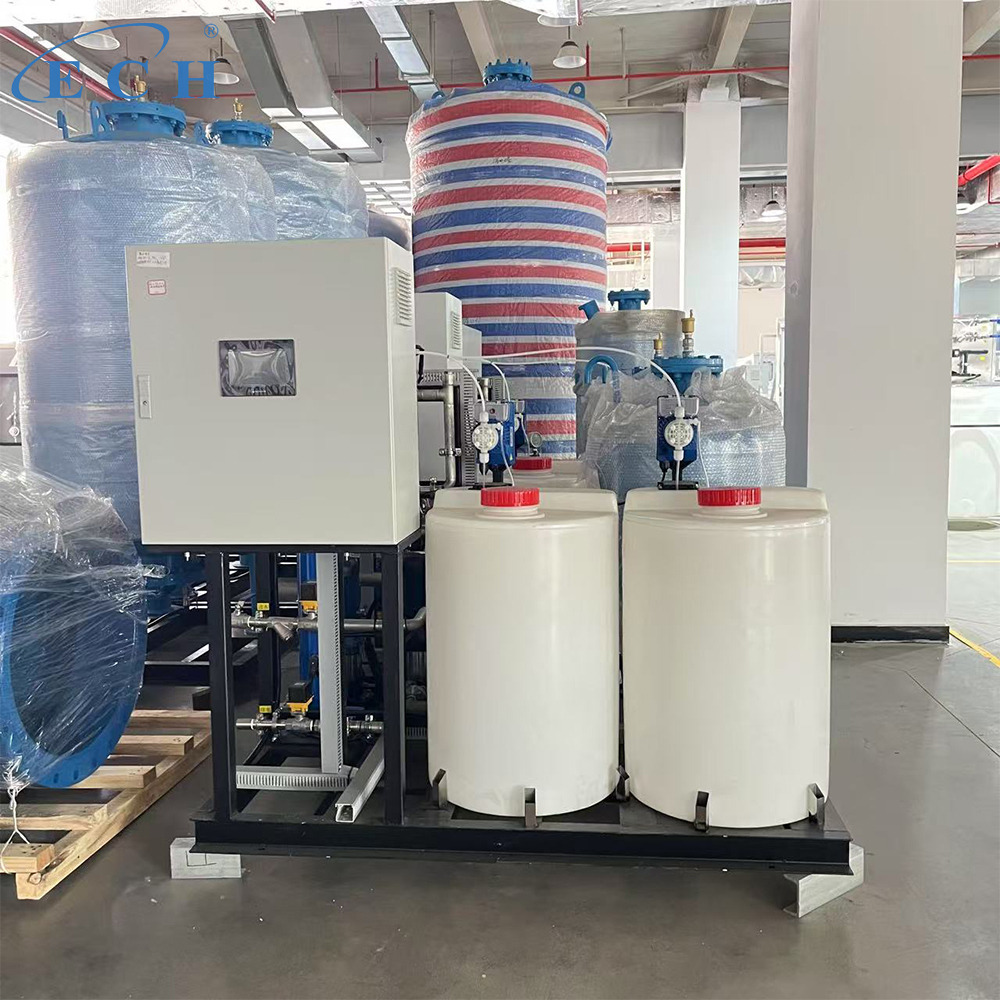
Picking the right water treatment dosing equipment is important. It can change how well the system works. Each type has good and bad points. The table below helps compare the main types.
Equipment Type | Efficiency | Cost | Adaptability | Environmental Compliance | Best For | Main Drawbacks |
|---|---|---|---|---|---|---|
Peristaltic Pump | High (for small/medium jobs) | Medium | Good (handles many chemicals) | Good | Small to medium systems, harsh chemicals | Tube wears out, low pressure |
Diaphragm Pump | High | High | Very Good | Excellent | Large plants, strict rules | Higher price, moving parts |
Solenoid Dosing Pump | Medium-High | Low-Medium | Good (compact) | Good | Tight spaces, accurate dosing | Not for high flow/pressure |
Piston Pump | Very High | High | Good | Good | High pressure, long distance | Noisy, needs regular checks |
Motor-Driven Pump | Very High | High | Very Good | Excellent | Large, continuous dosing | High energy use, large size |
Gravity Feed System | Low-Medium | Very Low | Poor (needs elevation) | Poor | Simple, remote sites | Not accurate, low pressure |
Efficiency: Some pumps, like piston and motor-driven, move chemicals fast and right. Gravity feed systems are slower and may not give exact doses.
Cost: Gravity feed systems are cheapest. Diaphragm, piston, and motor-driven pumps cost more but last longer and work better for big jobs.
Adaptability: Diaphragm and motor-driven pumps work with many chemicals and fit many systems. Gravity feed systems only work if tanks are above the dosing spot.
Environmental Compliance: Diaphragm and motor-driven pumps often meet strict rules. Gravity feed systems may not keep up with new laws.
Tip: Always check local rules before picking equipment. Some jobs need special pumps for safety and the environment.
Peristaltic pumps are good for small or medium jobs. They work with harsh chemicals and need little care.
Diaphragm pumps fit big plants. They handle many chemicals and help meet strict rules.
Solenoid dosing pumps fit in tight spaces. They give accurate doses but do not work for big jobs.
Piston pumps are best for high pressure or long distances. They last long but need regular checks.
Motor-driven pumps fit big systems. They move lots of chemicals and can run all day.
Gravity feed systems are for simple jobs. They cost less but do not give exact doses.
Operators should think about the system size, chemical type, and rules. The right water treatment dosing equipment keeps water safe and saves money.
Picking the right water treatment dosing equipment is important. It helps workers get clean water and keep things safe. They need to look at what each type does well and what it does not do well. Operators can:
Choose equipment that fits their system and chemicals.
Think about how much it costs and how hard it is to fix.
Talk to experts if their system is big or tricky.
The comparison section gives a fast way to make good choices.
Water treatment dosing equipment adds chemicals to water. This helps clean the water and remove harmful things. Operators use these tools to keep water safe for people and the environment.
Most pumps need regular checks. Workers should inspect them every week or month. They look for leaks, worn parts, or clogs. Good maintenance keeps the system working well.
No single pump fits every chemical. Some pumps work better with acids, while others handle thick liquids. Operators must match the pump to the chemical for safe and effective dosing.
Accurate dosing keeps water safe. Too much chemical can harm people or the environment. Too little may not clean the water. Proper dosing helps meet health and safety rules.