


Views: 0 Author: Site Editor Publish Time: 2026-02-18 Origin: Site


Have you ever thought that an ordinary rainfall is actually a precious resource endowed by nature? With the acceleration of urbanization, the contradiction between water resource shortage and rainstorm waterlogging has become increasingly prominent, and rainwater recyclin and treatment technology is emerging as the green key to solving this problem. Today, let’s talk about how rainwater is turned from waste into treasure and step into the wonderful world of the "city’s second water source".
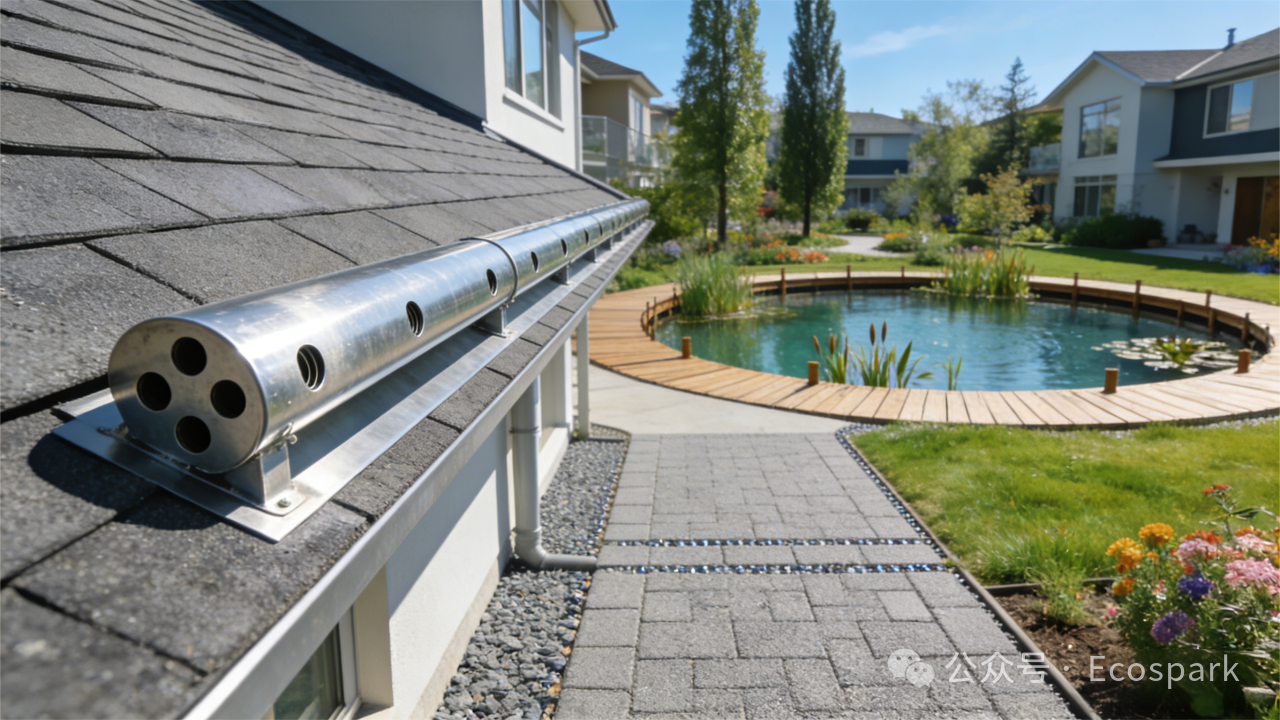
I. Rainwater Recycling: More Than Just "Water Conservation"-It’s "Ecological Wisdom"
In traditional urban development, rainwater was often seen as a burden and directly discharged into drainage networks. This not only wastes water resources but also risks triggering urban waterlogging. By contrast, rainwater recycling and treatment unlocks multiple values through the strategy of "source reduction and on-site utilization":
• Water-saving benefits: It replaces tap water for non-potable uses such as green space irrigation, road cleaning, and landscape water replenishment. Statistics show that a well-designed rainwater recycling system can meet 30%–50% of a building’s non-potable water demand.
• Ecological benefits: It reduces surface runoff, eases urban waterlogging, replenishes groundwater reserves, and improves the urban microclimate.
• Economic benefits: Long-term operation cuts down on water fee expenses-a benefit that is particularly pronounced for water-intensive commercial complexes and industrial parks.

II. The Full Process of Rainwater "Transformation": From Turbidity to Clarity
Rainwater recycling and treatment is not a simple collection process, but a scientific purification assembly line, which mainly consists of 5 key stages:
• Collection System: Rainwater is collected via roof downspouts, ground rainwater inlets, and infiltration wells. Initial rainfall (which contains sediment and pollutants) must be diverted and discharged through a first-flush diverter.
• Pretreatment: Grilles filter out large particulate impurities, while sedimentation tanks remove silt-this prevents clogging of subsequent equipment.
•AdvancedPurification: Technologies including quartz sand filtration, activated carbon adsorption, and membrane separation are used to eliminate organic matter, heavy metals, and other contaminants.
• Storage and Regulation: Treated rainwater is stored in reservoirs, with water volume adjusted based on actual demand.
• Reuse andMonitoring: Purified rainwater is distributed to water consumption points through pipe networks. Meanwhile, real-time online water quality monitoring is conducted to ensure safety.

III. These Scenarios Are Making the Most of Rainwater Recycling
Rainwater recycling technology has been applied across diverse fields and has become a standard feature for green buildings and sponge cities:
• Residential Communities: Treated roof
rainwater is used for community greening and artificial lake replenishment. Permeable bricks are laid on the ground to achieve the "infiltration, retention, storage, and utilization" of rainwater.
• Commercial Buildings: Large shopping malls and office buildings rely on rainwater recycling systems to meet the demand for air-conditioning cooling water and toilet flushing, with annual water savings hitting the 10,000-ton mark.
• Industrial Parks: Water-intensive enterprises use rainwater for production processes and factory cleaning, lowering their reliance on municipal water supply.
• Municipal Engineering: Urban parks and squares are equipped with rain gardens and grassed swales-these not only beautify the environment but also enable rainwater resource utilization
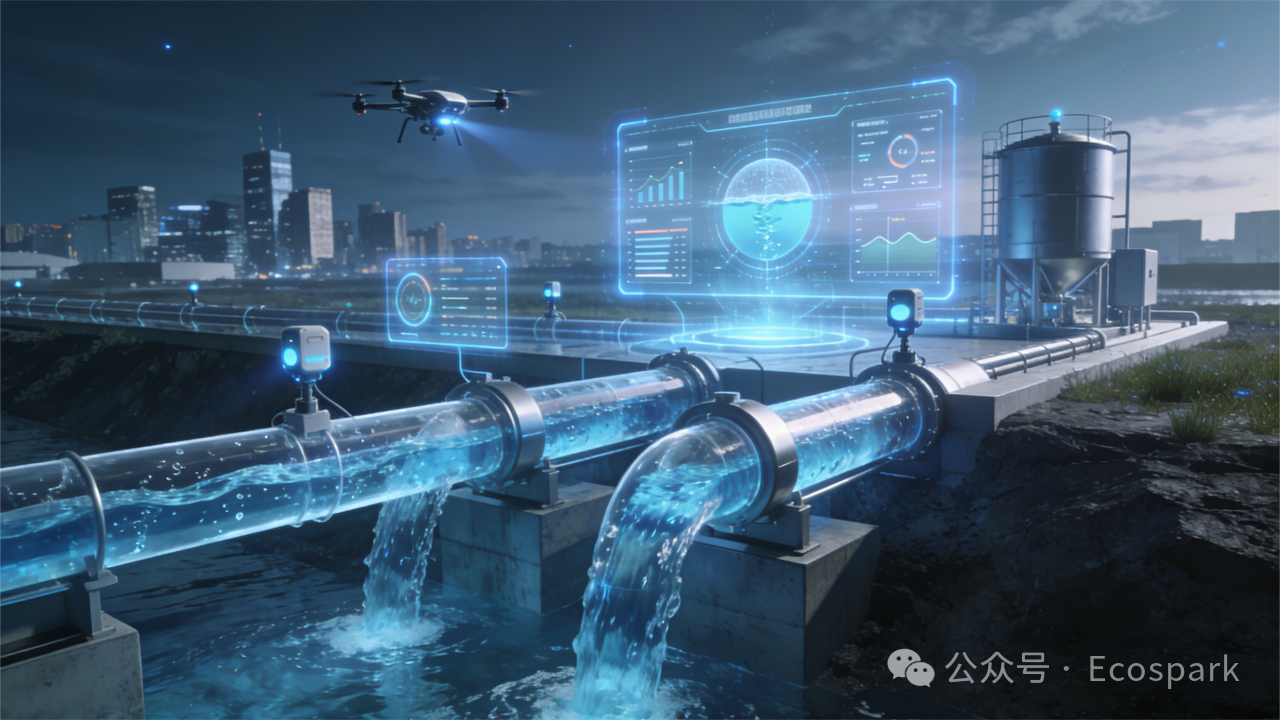
IV. The Future Is Here: Rainwater Recycling Enters the Smart Era
With the development of the Internet of Things (IoT) and big data technologies, rainwater recycling systems are being upgraded toward intelligent, refined operation:
real-time monitoring of rainfall, water quality, and water levels is conducted via sensors, and AI algorithms are integrated to optimize operational strategies, achieving "on-demand treatment and precision reuse." In the future, we may even be able to check real-time rainwater recycling volumes and water-fee savings on our mobile phones, maximizing the value of every single drop of rain.
Rainwater recycling is not merely a technology, but a philosophy of "harmonious coexistence with nature". Starting today, let us pay closer attention to rainwater resources and do our part for urban water conservation-after all, every drop of rain deserves to be cherished.


