


Views: 0 Author: Site Editor Publish Time: 2026-10-16 Origin: Site


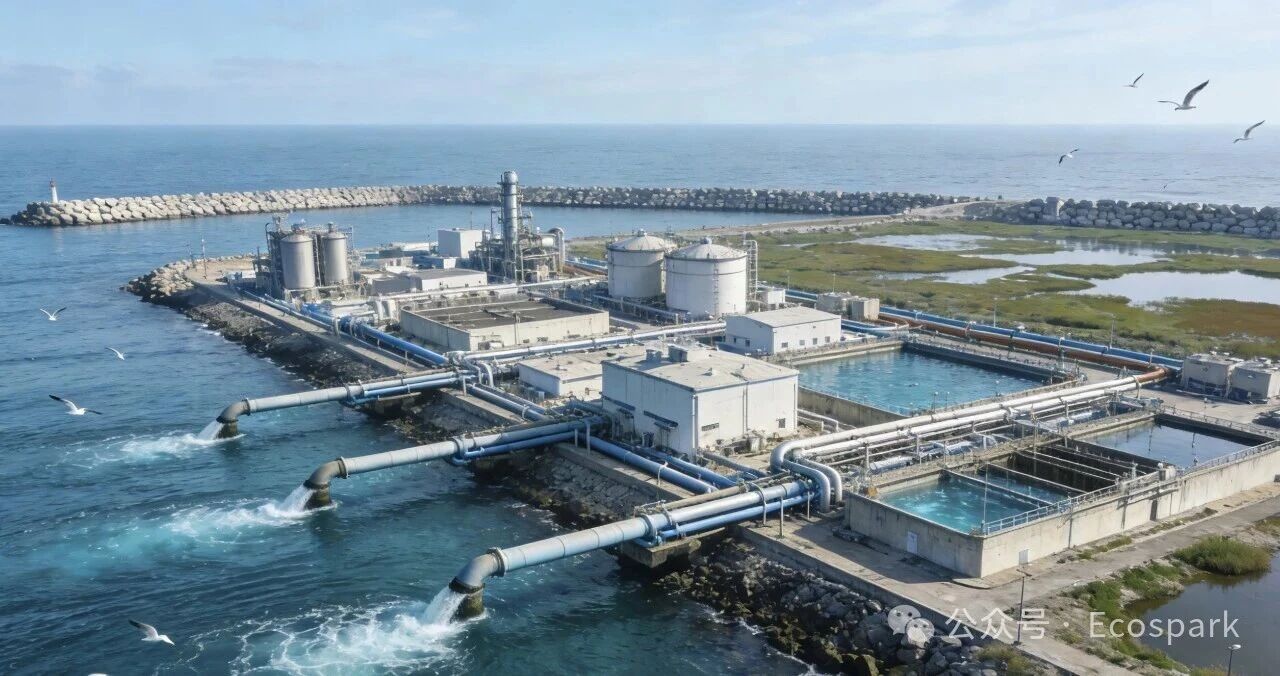
As an environmental technology company with permanent teams in both Dubai and Las Vegas, Ecospark has gained profound insights into the unique characteristics of water treatment in these two iconic cities. Beyond geographical and cultural distinctions, the core differences in water management stem from their inherent resource endowments, developmental needs, and technological paths, perspectives deeply shaped by our on-the-ground teams.
Water Source Foundation: Seawater Dependence vs. Inland Lake Supply
Dubai Team: "We face the high-salinity seawater of the Persian Gulf every day. There are no natural freshwater resources here, and groundwater is too brackish for direct use. 90% of the city’s water supply relies on desalination. 'Extracting freshwater from the sea' is not just a slogan for us, it’s the core mission embedded in our daily work. Every process adjustment is a battle against high salt and impurities in the seawater."
Las Vegas Team: "Our 'lifeline' is Lake Mead, a distant inland lake, and our work focuses on treating natural freshwater. We don’t have to tackle the high energy consumption and technical difficulties of seawater desalination. Instead, most of our efforts go into eliminating natural microorganisms in the lake and preventing secondary pollution in the water distribution network. Ensuring every drop of water meets drinking standards is our most straightforward goal."
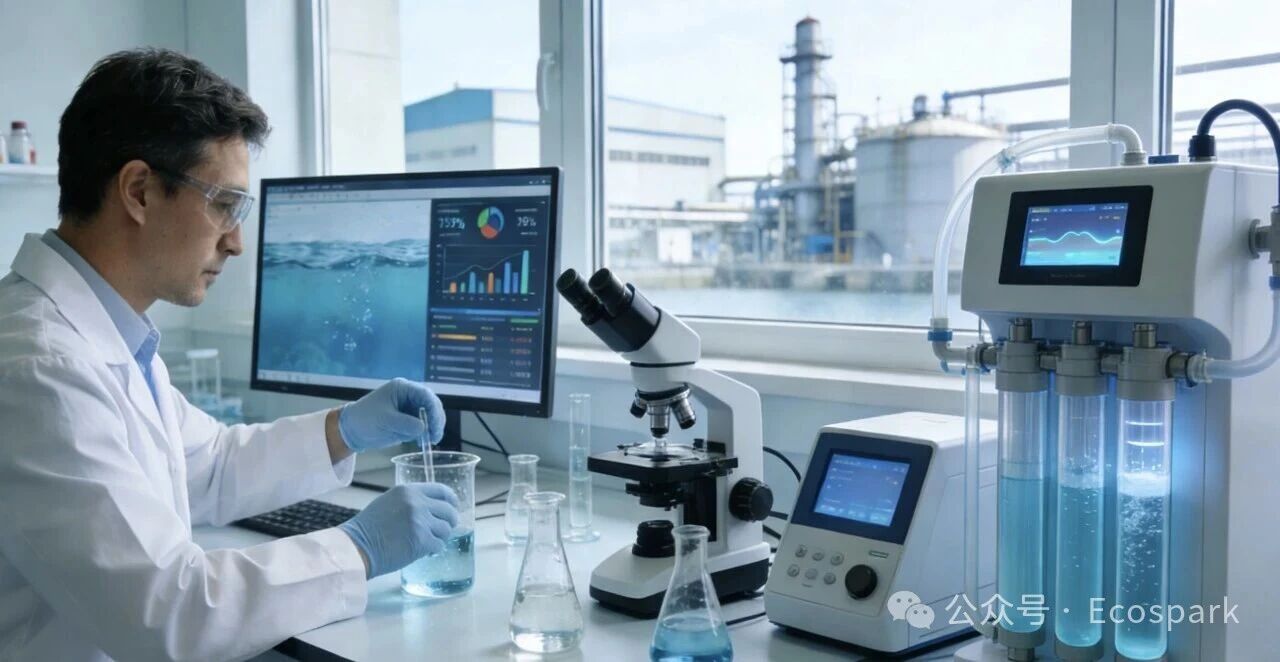
Core Technology: Desalination-led + Reuse Upgrade vs. Purification Guarantee + Stable Operation
Dubai Team: "Reverse Osmosis (RO) technology is our ace. Compared to traditional Multi-Stage Flash (MSF) processes, it’s more energy-efficient and produces more stable water quality. Currently, the city’s RO water production capacity of 63 million gallons per day is still expanding, and we’re eager to achieve 100% clean energy-driven desalination soon. Meanwhile, the UAE’s strategic target of 95% wastewater reuse has made MBR (Membrane Bioreactor) our 'standard weapon.' In the desert’s extreme heat, often exceeding 40°C, its space-saving and high reuse rate advantages are tailor-made for this land. Every time we see treated wastewater transformed into green irrigation water, we feel a great sense of accomplishment."
Las Vegas Team: "Our work is more like 'water quality guardianship.' The combined process of ozonation + multi-layer filtration + chlorination forms three lines of defense for drinking water safety. Ozone quickly kills bacteria and algae in the water, while terminal chlorination ensures the water remains 'unspoiled' during the long distribution process. For us, technological iteration isn’t about pursuing 'disruptive innovation,' but figuring out how to enhance the pollution resistance and operational stability of existing facilities. After all, stability is the top priority for water treatment in Las Vegas."
Ecological & Policy Drivers: Net-Zero Ambition vs. Safety Compliance
Dubai Team: "Dubai’s 2050 Net Zero Carbon and 2030 Integrated Water Management strategies are the 'batons' guiding our work. We’re focusing on technological breakthroughs in clean energy desalination and exploring how to synergize seawater desalination and wastewater reuse systems. Every implementation of low-energy processes is a contribution to the sustainable development of this desert city. Meanwhile, we constantly grapple with the ecological impact of desalination, controlling brine discharge salinity to protect the Persian Gulf’s marine balance is a responsibility we never take lightly."
Las Vegas Team: "The strict drinking water safety standards in Southern Nevada are our 'red line.' Our work revolves around 'compliance' and 'optimization,' accurately controlling disinfectant residues, ensuring effluent water quality meets standards, and upgrading existing facilities to better align with safety requirements. With Lake Mead’s water level always a concern, water conservation and source protection are integrated into every process design, making every drop count to avoid ecological degradation from over-extraction."
Closing Thought
From the Persian Gulf’s salty waters to Lake Mead’s freshwater reserves, Ecospark’s teams in Dubai and Las Vegas have adapted to local conditions, leveraging technological innovation to address unique water challenges. These 3 core dimensions of difference not only reflect the diversity of global water management, but also inspire us to integrate cross-regional experience, providing more targeted and sustainable water solutions for cities worldwide.


