


Views: 0 Author: Site Editor Publish Time: 2026-03-16 Origin: Site


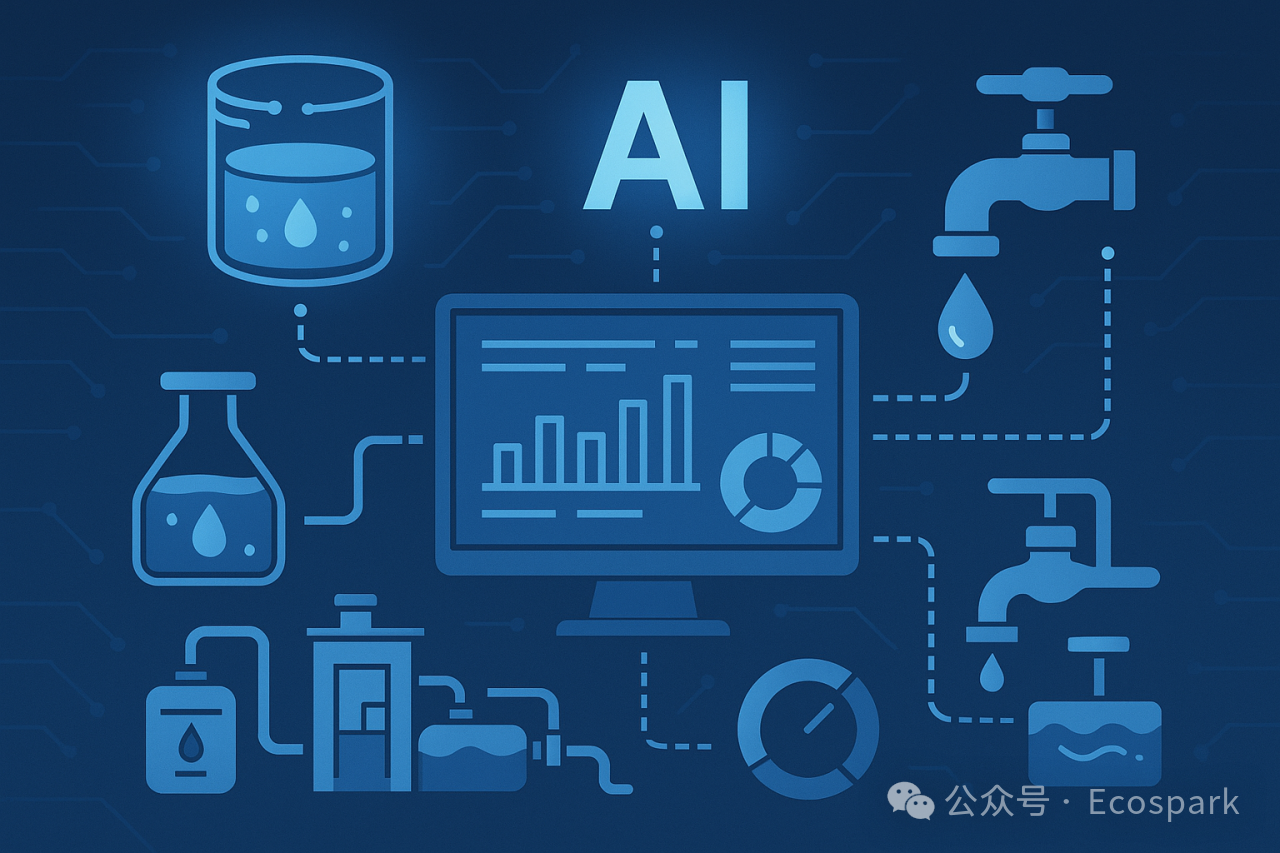
When people think of AI, they often associate it with self-driving cars, ChatGPT, or fintech. Yet AI has quietly entered a less glamorous but critical field-the water treatment industry. From drinking water plants to wastewater facilities, from industrial water reuse to municipal pipelines, AI is making water systems safer, more efficient, and more intelligent.
PART.01
AI Is Already in Action
Case1
Energy Savings in Wastewater Treatment
In wastewater treatment plants, aeration systems are often the largest energy consumers. By using AI to analyze influent quality, flow rates, and dissolved oxygen levels in real time, operators can dynamically adjust aeration intensity.
The results:
• Stable effluent quality
• Significant reduction in energy consumption
• Less reliance on human experience for parameter tuning
Case2
Predictive Maintenance Prevents Failures
Traditionally, maintenance takes place after equipment fails. AI changes this logic.
By analyzing vibration, current, and temperature data from pumps, blowers, and valves, AI can predict failure risks ahead of time—allowing teams to perform maintenance before sudden breakdowns occur.
Case3
Reducing Water Loss in Distribution Networks
Water loss due to leakage is a persistent challenge for cities.
AI analyzes pipe pressure, flow patterns, and historical repair data to detect anomalies and precisely locate segments that may be leaking-dramatically reducing unnecessary inspections.
AI is driving three major shifts in the water treatment industry:
• From reactive response to predictive action
• From experience-based to data-driven operations
• From labor-intensive workflows to intelligent collaboration
PART.02
What Has AI Changed?
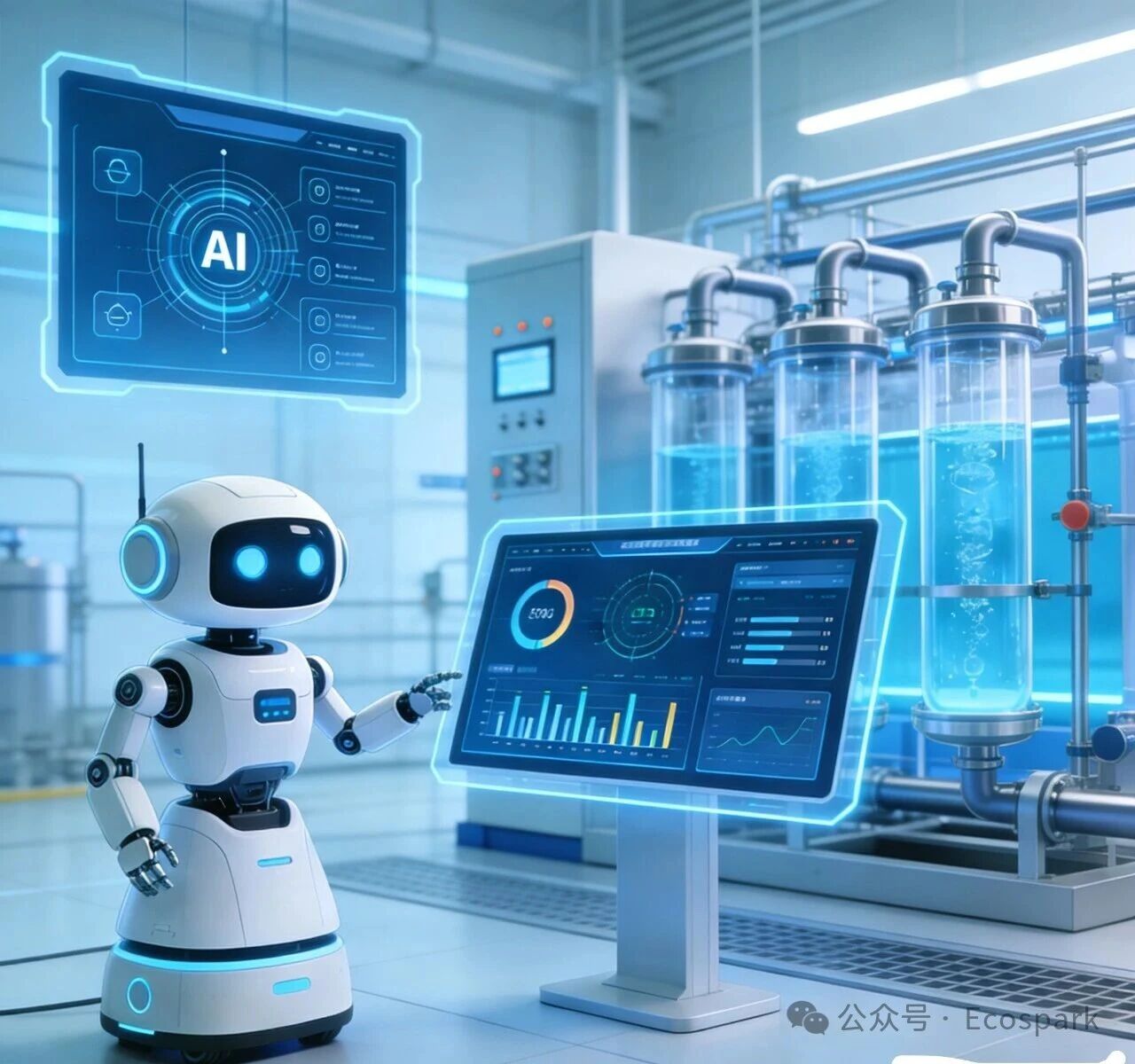
AI is driving three major shifts in the water treatment industry:
• From reactive response to predictive action
• From experience-based to data-driven operations
• From labor-intensive workflows to intelligent collaboration
PART.03
Why Water Treatment Is Ideal for AI
Water treatment systems contain the characteristics AI performs best with:
• Long-term and continuous data streams
• Complex but highly structured processes
• Critical requirements for stability and safety
These make water treatment a high-value, low-risk domain for AI deployment.
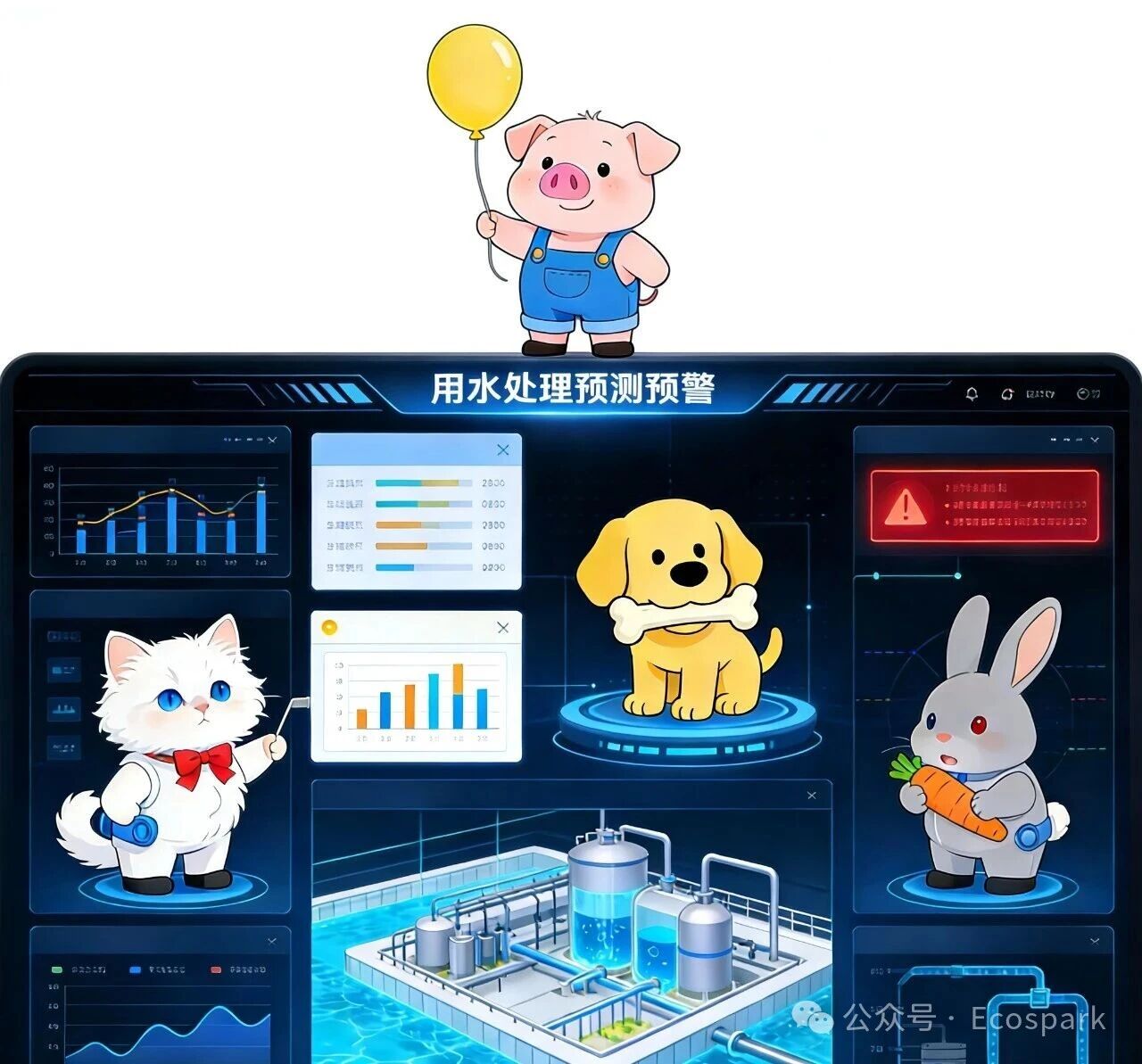
PART.04
AI Assists—It Doesn’t Replace
A common misconception is that AI will replace water engineers.
In reality, AI functions like a 24/7 intelligent assistant:
• Detecting patterns humans may overlook
• Reducing repetitive operational decisions
• Allowing professionals to focus on high-impact tasks
AI is pushing the water treatment industry from simple automation toward true intelligence.
In the future, competitiveness will not depend on who owns more equipment, but on who uses data and intelligent systems more effectively.


