


Views: 0 Author: Site Editor Publish Time: 2026-03-12 Origin: Site


A modern boiler system may look mechanically robust, but its reliability often depends on a much less visible factor: water chemistry stability. Even small fluctuations in water quality can trigger serious operational consequences. Mineral scale deposits reduce heat transfer efficiency, corrosion gradually damages piping and boiler surfaces, and unstable chemistry can even affect steam purity. In many facilities, these risks historically depended on manual chemical dosing and periodic testing. That approach often leads to inconsistent treatment and unnecessary chemical consumption. An Automatic chemical dosing system transforms boiler water treatment into a controlled and repeatable process by automatically delivering treatment chemicals according to system conditions. Instead of relying on guesswork, operators gain a stable dosing strategy that protects equipment and maintains consistent boiler performance. Understanding how automated dosing works within a boiler water treatment program helps facility managers design a more reliable and efficient steam system.
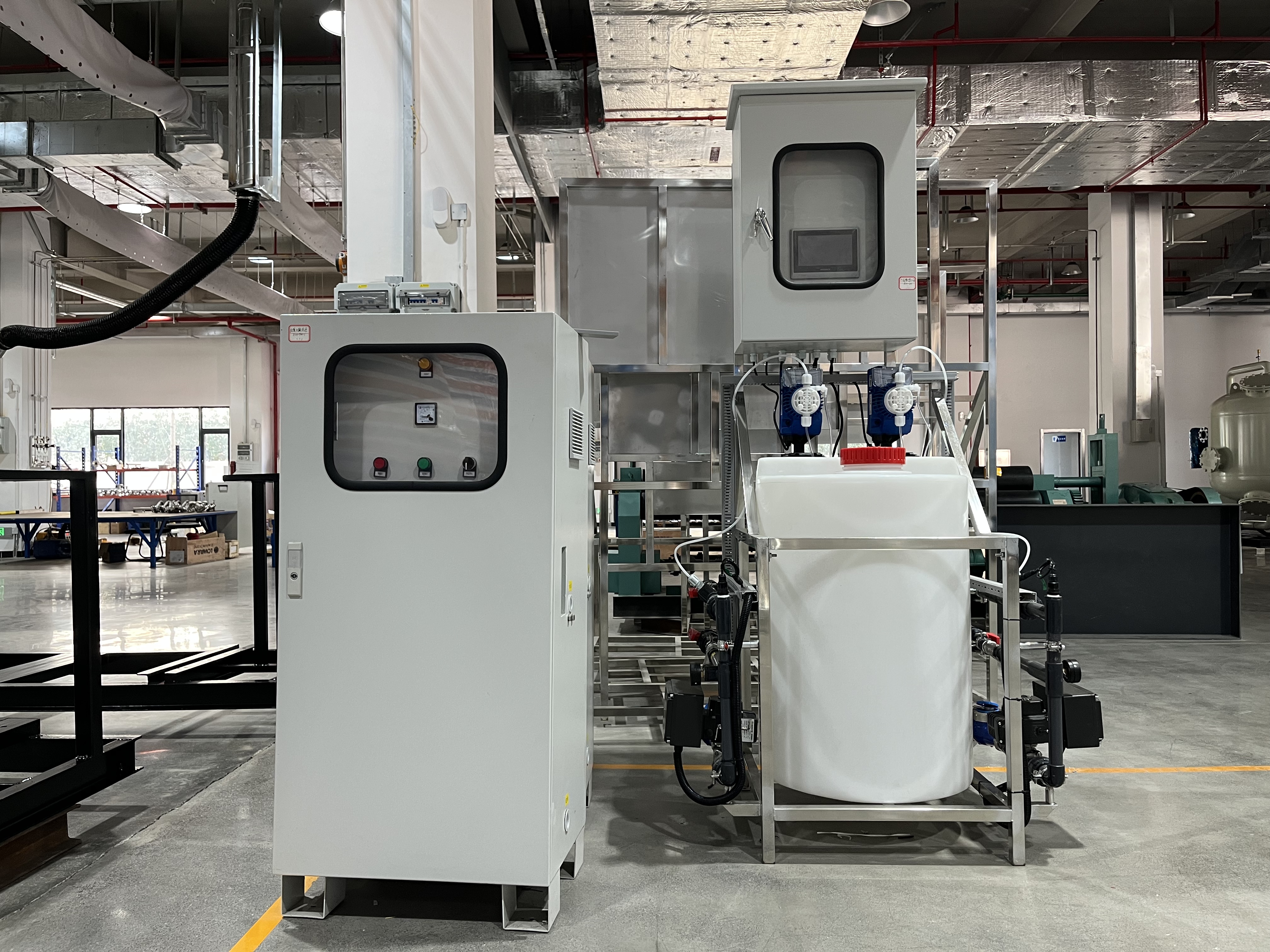
One of the most common threats to boiler performance is mineral scale formation. Feedwater contains dissolved minerals such as calcium and magnesium. As water is heated and evaporated inside the boiler, these minerals can precipitate and attach to heat transfer surfaces. Even a thin scale layer acts as an insulating barrier between the metal surface and the water, reducing the efficiency of heat transfer.
When heat transfer efficiency declines, the boiler must consume more fuel to produce the same amount of steam. This increases energy costs and places additional stress on equipment. Automated chemical dosing ensures scale inhibitors and dispersants remain within effective concentration ranges, preventing mineral precipitation before deposits can form.
Oxygen dissolved in feedwater presents another serious challenge for boiler systems. Oxygen accelerates corrosion in steel piping, boiler tubes, and condensate return lines. Over time, corrosion can weaken metal surfaces and lead to leaks or structural failure.
Chemical treatment programs often include oxygen scavengers that remove dissolved oxygen before it causes damage. An automated dosing system ensures these protective chemicals remain at the correct concentration, preventing corrosion from developing inside the boiler and downstream piping network.
Steam quality is critical in many industrial applications, especially where steam interacts with sensitive equipment or production processes. Excessive dissolved solids or unstable water chemistry can cause foaming inside the boiler drum. Foaming allows water droplets and contaminants to travel with the steam, a condition known as carryover.
Carryover contaminates steam lines, damages downstream equipment, and reduces process efficiency. Automated dosing maintains stable chemical conditions that help prevent foaming and protect steam purity.
Boiler water treatment is not limited to a single injection point. Effective chemical control requires treatment at multiple stages of the boiler cycle. Each stage addresses specific chemical risks.
Make-up water treatment occurs before water enters the system. Feedwater dosing protects water before it reaches the boiler drum. Boiler drum dosing maintains internal chemical balance during operation. Condensate return treatment protects piping and helps control corrosion in returning steam condensate.
Each of these locations may require different chemicals and dosing rates.
The placement of chemical injection points determines how effectively treatment chemicals disperse throughout the system. Oxygen scavengers are often injected into feedwater lines to remove dissolved oxygen before the water enters the boiler. Scale inhibitors may be added upstream to prevent mineral deposition during heating.
Condensate treatment chemicals are typically introduced into return lines to neutralize acidic conditions that develop as carbon dioxide dissolves in condensed steam. Proper injection location ensures chemicals interact with the water at the most effective point in the cycle.
Low-pressure boilers used in commercial buildings generally operate under less demanding chemical control requirements. However, high-pressure industrial boilers require significantly stricter chemistry control. At higher pressures and temperatures, even minor water chemistry imbalances can cause rapid scaling or corrosion.
Automated dosing systems become particularly important in these environments because they provide continuous monitoring and chemical adjustment, helping operators maintain stable treatment conditions.
Oxygen scavengers remove dissolved oxygen from feedwater before it can attack metal surfaces. These chemicals react with oxygen and convert it into harmless compounds. Maintaining proper scavenger concentration ensures corrosion protection throughout the boiler system.
Boiler water must maintain a controlled alkaline environment to prevent corrosion. If water becomes too acidic, metal surfaces can deteriorate quickly. Chemical additives adjust alkalinity and pH levels to maintain a protective environment inside the boiler and condensate network.
An automated dosing system continuously adjusts these chemicals based on system conditions, ensuring stable chemical balance.
Scale inhibitors prevent mineral crystals from attaching to boiler surfaces. Dispersants help suspend small particles in water so they can be removed through blowdown rather than forming deposits.
These treatments play a critical role in protecting heat transfer surfaces and maintaining boiler efficiency.
As steam travels through piping and eventually condenses, carbon dioxide dissolves in water and forms carbonic acid. This acidic condition can corrode return piping. Neutralizing amines and film-forming chemicals help protect condensate lines by controlling acidity and creating a protective film on metal surfaces.
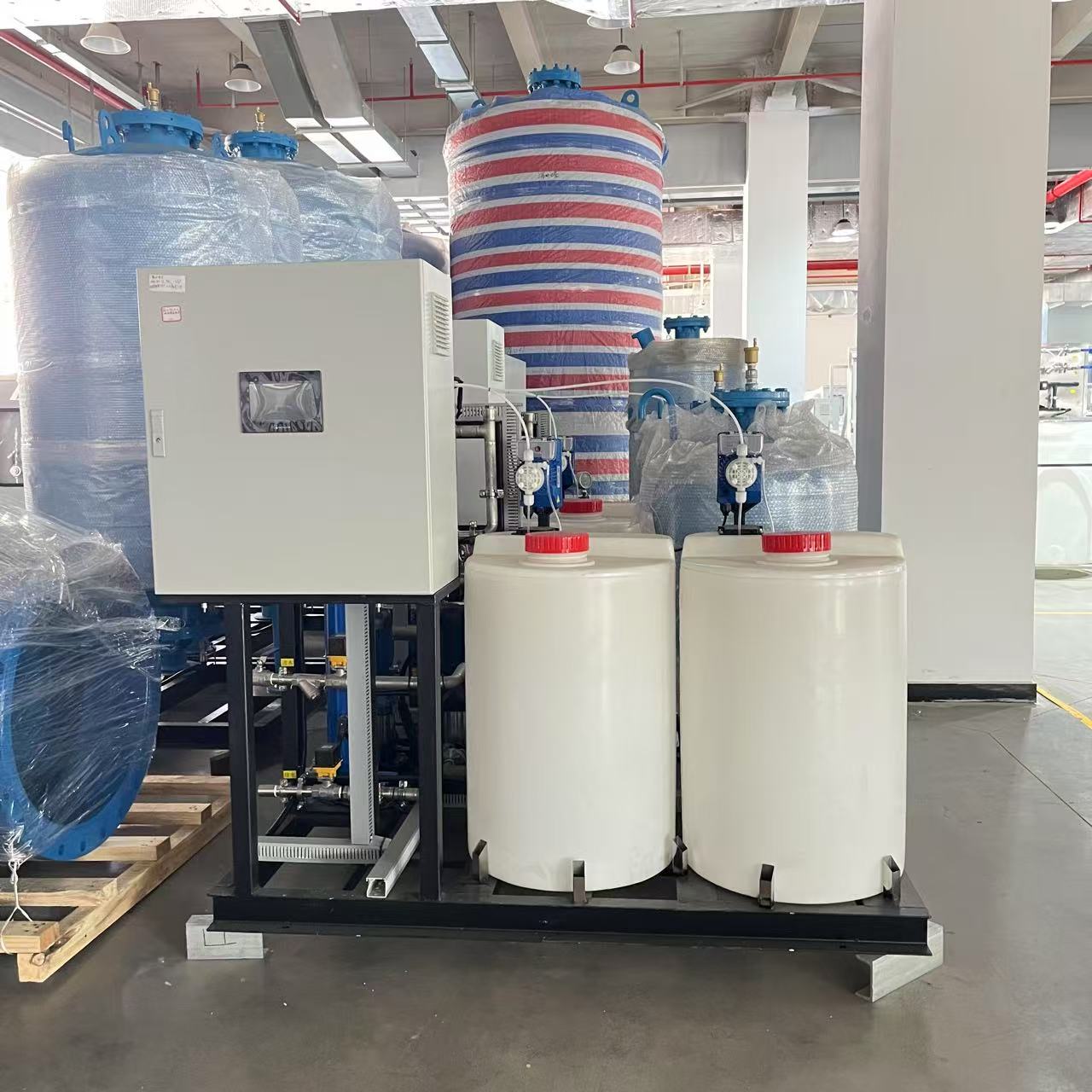
Feedforward control adjusts chemical dosing based on the volume of water entering the system. When makeup water increases, chemical injection automatically rises to maintain correct concentration levels. This approach helps maintain stable chemistry when boiler load fluctuates.
Feedback control uses sensors that monitor water parameters such as conductivity or pH. When measured values move outside predefined ranges, the dosing system automatically adjusts chemical feed rates to restore the desired condition.
This approach provides more precise control because chemical dosing responds directly to real-time water conditions.
Not every boiler system begins with fully automated feedback control. Many facilities initially adopt simpler dosing methods and gradually integrate additional monitoring signals as operational experience grows. This staged approach allows operators to develop confidence in automated dosing while maintaining system stability.
Safe chemical handling is essential for boiler treatment programs. Automated dosing systems typically include sealed chemical storage tanks, secondary containment features, and level sensors that prevent pumps from operating when tanks are empty.
These safeguards reduce the risk of chemical leaks and equipment damage.
Maintaining accurate dosing requires stable pressure conditions and calibrated pumps. Anti-siphon valves prevent unintended chemical flow. Backpressure devices stabilize dosing pressure to ensure accurate injection rates. Calibration columns allow operators to verify pump performance and confirm dosing accuracy.
Automated dosing systems often include alarm functions that notify operators of abnormal conditions. These alarms may indicate low chemical levels, pump faults, or deviations from expected dosing patterns. Early warnings allow operators to correct issues before they affect boiler performance.
Treatment objective | Typical dosing location | Control signal | Suggested control mode | What to verify during commissioning |
Oxygen removal | Feedwater line | Feedwater flow | Flow-paced dosing | Verify oxygen scavenger concentration |
Scale prevention | Boiler feedwater | Conductivity | Feedback control | Confirm inhibitor levels and blowdown control |
pH stabilization | Boiler drum | pH measurement | Feedback dosing | Ensure pH remains within target range |
Condensate protection | Condensate return line | Steam load | Feedforward dosing | Verify condensate corrosion protection |
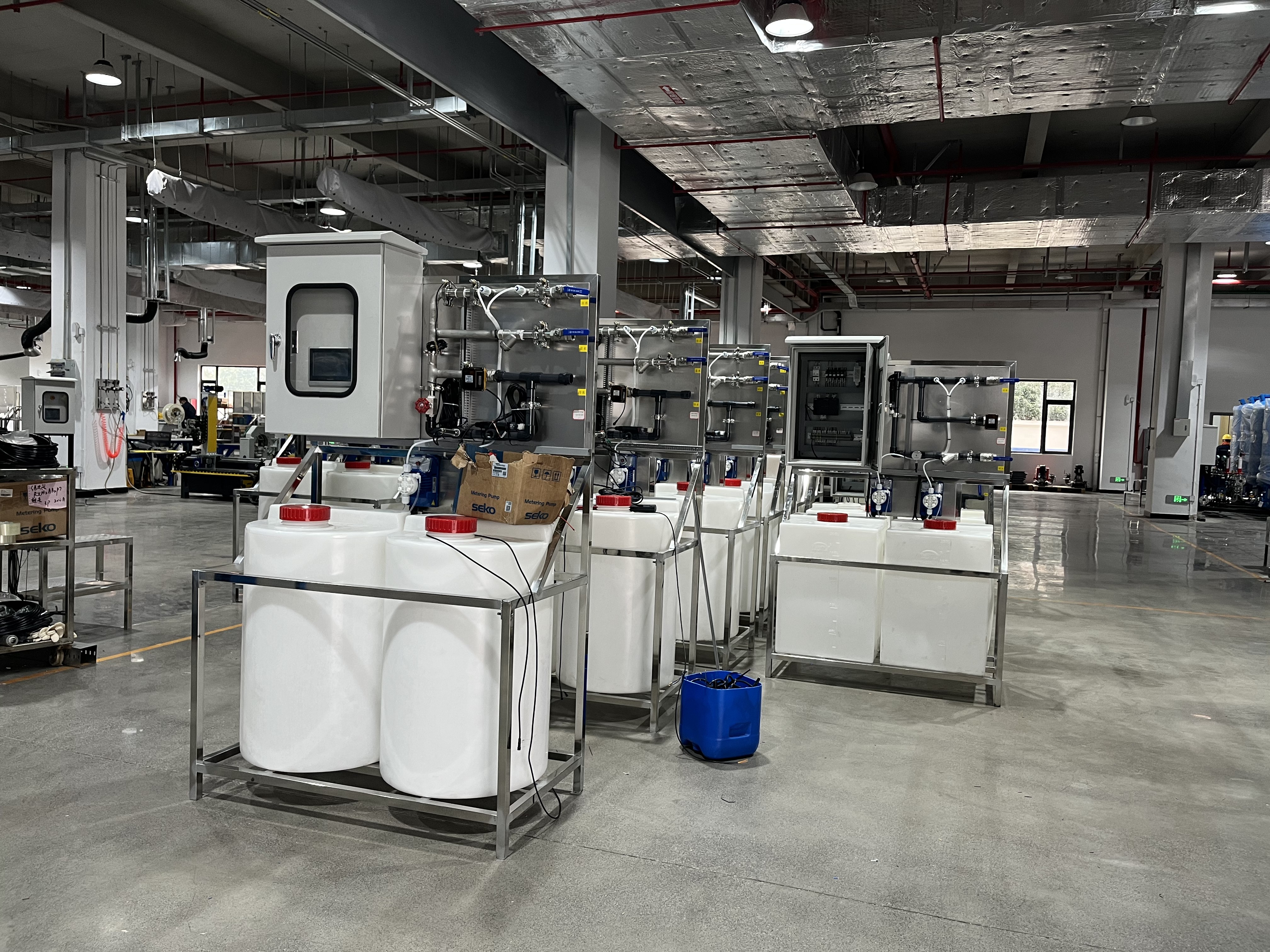
Reliable steam production depends heavily on stable water chemistry control. Manual chemical addition often leads to inconsistent treatment and higher operational risk. By integrating sensors, automated pumps, and programmable control strategies, an automated chemical feed system transforms boiler water treatment from an experience-based task into a controlled process that responds to real operating conditions. ECH develops water treatment equipment designed to support this approach, combining dosing technology, monitoring capability, and integrated system design to improve boiler protection and operational efficiency across industrial and commercial facilities. Facilities seeking to stabilize their treatment programs and reduce chemical management uncertainty can implement an automated solution tailored to their boiler water treatment requirements.
Contact us to discuss your boiler water treatment conditions and explore how an automated dosing solution can support your system performance.
An automatic dosing system ensures that treatment chemicals remain within effective concentration ranges. This prevents scale formation, corrosion, and unstable steam quality while reducing the need for manual chemical adjustments.
Chemical injection typically occurs at several points including the make-up water line, feedwater line, boiler drum, and condensate return line. Each location addresses specific water treatment objectives.
Yes. Preventing scale buildup improves heat transfer efficiency, which allows the boiler to produce steam with less fuel consumption.
Common monitoring signals include conductivity, pH, feedwater flow rate, and chemical residual levels. These measurements help control dosing rates and maintain stable boiler water conditions.


